North Texas residents have a celestial treat this June, with several astronomical events visible to the naked eye. The month offers a chance to see planets like Mercury, Venus, and Jupiter, along with the Strawberry Moon and the summer solstice.
Planetary Highlights
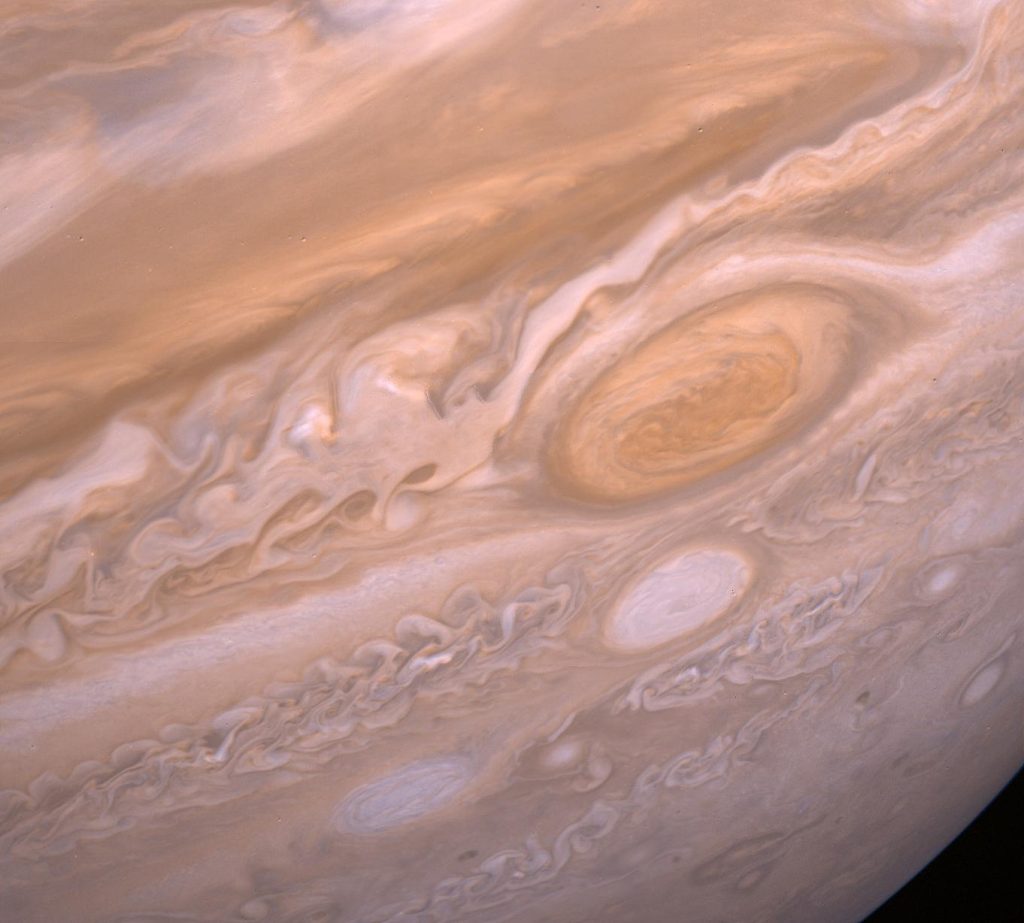
Mercury will be visible in the west-northwest sky during mid-to-late June, while Venus will shine brightly in the western evening sky, being the brightest object after sunset. Mars, after months of hiding behind the Sun, will appear in the early morning sky, low in the east-northeast a few hours before sunrise. Jupiter, the second-brightest planet this month, will be visible in the west during the first half of June. Saturn is best viewed in the early morning hours, rising after midnight and positioned high in the southeast sky by daybreak.
Mini Planet Alignment
On June 12th, a mini planet alignment will occur as Mercury, Venus, and Jupiter gather in a tight, diagonal grouping in the western sky after sunset. This alignment is one of the easiest to observe in 2026, as all three planets can be seen with the naked eye.
Summer Solstice
The summer solstice, marking the astronomical start of summer in the Northern Hemisphere, occurs on June 21st at 3:24 a.m. CDT. This event happens when the Earth’s North Pole is at its maximum tilt toward the sun, resulting in the longest day and shortest night of the year.
Strawberry Moon
The June full moon, known as the Strawberry Moon, will reach full illumination at 9:35 a.m. CDT at the end of the month. The name originates from the Algonquin tribes, as June is traditionally the time when wild strawberries are ready for harvest in North America.
Additional Celestial Events
Following June’s new moon, stargazers can hunt for the zodiacal light, a faint, ghostly pyramid of light stretching upward from the western horizon after twilight. This phenomenon is caused by sunlight reflecting off interplanetary dust in our solar system. The moon will be at apogee, its farthest from Earth, on June 28th at 2:09 a.m. CDT, and at perigee, its closest, on June 14th at 6:20 p.m. CDT.
Texans are encouraged to enjoy these celestial events and keep looking up!
Original reporting: Dallas TX News (HLL/CB) — read the source article.