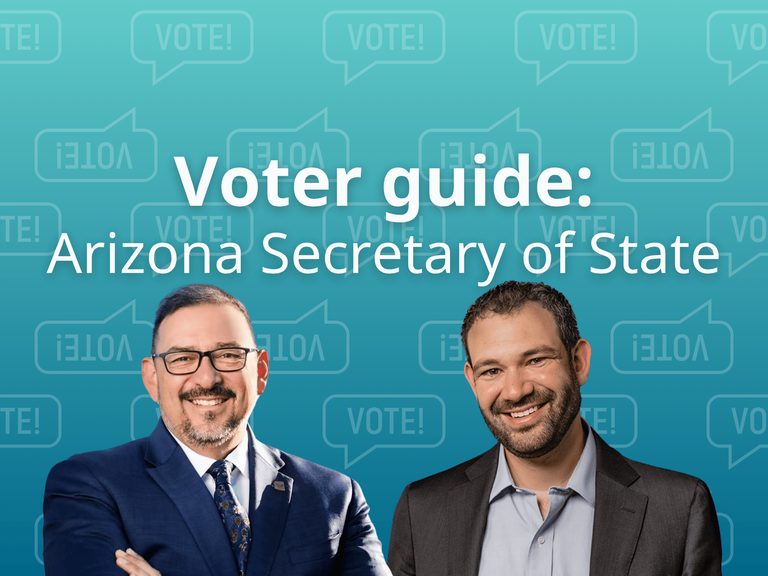
Arizona’s November ballot features a high‑stakes contest for secretary of state, a post that will shape the administration of the 2028 presidential election in this pivotal swing state. Incumbent Democrat Adrian Fontes, a former Maricopa County recorder and federal public defender, is seeking a second term. He faces Republican state representative Alex Kolodin, a member of the Arizona House’s Freedom Caucus who has built his campaign on questioning the integrity of past elections.
Candidate backgrounds
Fontes entered statewide office after serving as the top election official in Maricopa County, where he managed the 2020 presidential election amid intense national scrutiny. He describes his tenure as a period of defending the voting process against unfounded challenges and promises to continue modernizing Arizona’s voter registration system.
Kolodin entered the race after a career as an attorney and a brief stint as a plaintiff in lawsuits that alleged the 2020 election was stolen from President Donald Trump. In the legislature, he has backed bills to eliminate vote centers, shorten early voting periods, and require voters to recertify their address for each mail‑in ballot. He also sponsored a ballot measure that would mandate photo ID for mail voters, a proposal critics say could hamper Arizona’s robust mail‑in voting culture.
Policy positions and campaign rhetoric
Fontes emphasizes expanding funding for a new statewide voter registration database to replace the aging Arizona Voter Information Database (AVID). He argues the current system is cumbersome and needs upgrades to allow officials to adapt quickly to changes in state law. He also seeks higher salaries for his office’s staff, noting they lag behind comparable agencies.
Kolodin counters that Fontes’ proposed changes to the Elections Procedures Manual have been struck down by courts, including a provision that would have allowed officials to exclude a county’s vote totals if certification were delayed. Kolodin insists his own platform will bring greater transparency and faster election results, promising the “most transparent secretary of state’s office in Arizona’s history.”
Campaign attacks and defenses
The race has grown heated. Fontes launched a website to fact‑check Kolodin’s statements, while Kolodin has accused Fontes of being an “attorney for the Sinaloa Cartel,” referencing Fontes’ prior work as a federal public defender. Fontes rebuked the claim as baseless, calling Kolodin a “bona fide, found‑guilty‑of‑lying liar” and warning that Kolodin’s “tear‑it‑all‑down” mentality threatens democratic institutions.
Kolodin, who declined an interview for this story, maintains he does not deny that elections must be trusted, but argues the current system is “dysfunctional.” He rejects the label of “election denier,” noting that several of his election‑reform bills have earned bipartisan support, albeit through negotiations on must‑pass legislation.
What’s at stake
The secretary of state will oversee the issuance of voluntary guidance to county election officials and manage the state’s Elections Procedures Manual, which dictates how voting is conducted. The office also controls the Arizona Voter Information Database, a critical tool for maintaining accurate voter rolls.
If re‑elected, Fontes says he will push for the Voters First Act, a Democratic‑backed package that would require vote centers statewide, create an election‑IT and cybersecurity fund, and allow publicly funded grants to support election administration. Kolodin argues that such measures expand government control and prefers a return to precinct‑style voting, where voters are assigned to a specific polling place.
Looking ahead
Arizona’s electorate will decide whether to continue the current administration’s focus on expanding voting access and modernizing infrastructure, or to shift toward Kolodin’s vision of tighter controls and expedited results. Both candidates have pledged to protect the integrity of Arizona’s elections, but they differ sharply on how best to achieve that goal.
Voters can learn more about each candidate’s platform through upcoming debates, campaign websites, and local media coverage. The outcome will shape how Arizona conducts its elections for the next six years, influencing not only state politics but also the national presidential contest in 2028.
Original reporting: Arizona Luminaria — read the source article.