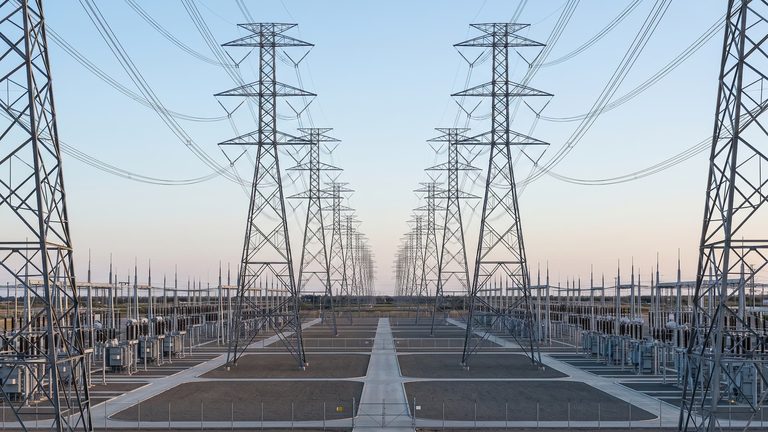
Blue Energy, a Maryland‑based nuclear startup, filed an application this week to connect its next‑generation small modular reactors (SMRs) to the Texas electric grid operated by the Electric Reliability Council of Texas (ERCOT). The company plans to build up to five SMR units in Victoria, Texas, that could generate as much as 1.5 gigawatts of electricity for a sprawling 1,600‑acre data‑center complex.
Local impact and technology
The proposed Texas project would deploy GE Vernova Hitachi BWRX‑300 SMRs alongside GE gas turbines in a first‑of‑its‑kind gas‑to‑nuclear power plant. The gas‑powered portion is slated to come online first, giving the development a head start on powering the data‑center while the nuclear units are completed.
SMRs are smaller than traditional water‑cooled nuclear plants, producing roughly one‑third of the energy of a conventional reactor. Their compact size and flexible cooling options mean they do not need to sit beside large water bodies, allowing siting in a wider range of locations. Blue Energy intends to use prefabricated components that can be assembled on site, a method the company says will shave more than a decade off construction time and substantially lower costs compared with traditional nuclear projects.
National policy backdrop
The Trump administration has made nuclear energy a priority, accelerating permitting processes for new reactors and providing federal funding to extend the life of existing plants. In recent weeks the Energy Department announced up to $4.2 billion in loans to modernize nuclear facilities in Pennsylvania and Ohio, extending their operating lives by another 20 years.
These federal actions reflect a broader strategy to increase carbon‑free electricity generation. Nuclear power already accounts for about 18 % of U.S. electricity and roughly half of the nation’s carbon‑free generation. By supporting SMR development, the administration aims to bring new nuclear capacity online in the early part of the next decade.
Industry context
Blue Energy joins a growing list of firms seeking to bring SMRs to market. Nearly a half‑dozen nuclear companies have applied to the federal government for construction permits. While SMRs have been operating in Russia and China, and a Canadian unit is expected to start within the next decade, the United States has yet to see an operational SMR.
Other U.S. projects include X‑Energy’s partnership with Dow in Seadrift, Texas, which completed its NRC environmental review for four 80‑megawatt units and hopes to supply power and steam to Dow’s industrial facility by the 2030s.
Economic and community benefits
If realized, Blue Energy’s Texas SMRs could create construction jobs, support the data‑center industry, and provide a reliable, low‑carbon power source for the region. The project’s location in Victoria also promises ancillary economic activity for local businesses and service providers.
While the technology is still years away from commercial operation, the combination of federal support, private investment, and Texas’ robust energy market positions the project as a notable step toward diversifying the state’s power mix and strengthening national energy security.
Looking ahead
Industry observers note that the success of Blue Energy’s application will depend on continued regulatory approvals and the ability to meet cost‑reduction targets. Nonetheless, the Trump administration’s emphasis on nuclear innovation provides a favorable policy environment for SMR developers seeking to bring clean, reliable power to American communities.
Original reporting: WMAL (Washington DC) — read the source article.