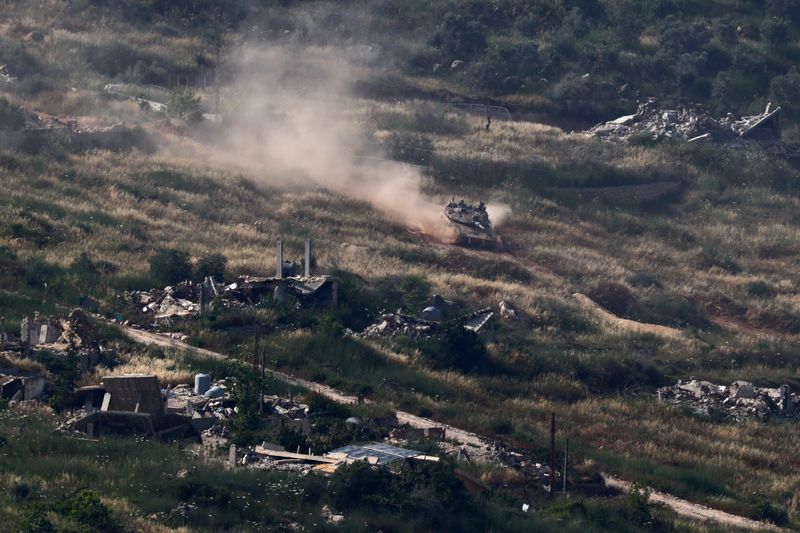
In a significant escalation of regional tensions, Israeli Prime Minister Benjamin Netanyahu has directed military forces to target areas in Beirut’s southern suburbs, a known stronghold of the Hezbollah group. This decision comes in response to ongoing violations of a ceasefire agreement by Hezbollah, which has been launching attacks against Israeli cities and citizens.
Background of the Conflict
The conflict between Israel and Hezbollah has intensified since a ceasefire was brokered in mid-April. Despite the agreement, hostilities have continued, with Hezbollah employing kamikaze drones that have proven difficult for Israeli air defenses to intercept. These drones have resulted in the deaths of several Israeli soldiers stationed in southern Lebanon.
The broader conflict is part of the spillover from the ongoing war involving Iran, which Hezbollah supports. Since early March, over 1.2 million Lebanese residents have been displaced due to Israeli military actions and evacuation orders. The Lebanese government reports that more than 3,370 people have been killed due to the conflict, while Israel has reported 24 military and four civilian casualties.
Impact on Local Populations
The violence has also affected Israeli civilians, particularly in the northern regions, where many have been forced to evacuate due to the threat of Hezbollah’s rockets and drones. This ongoing conflict underscores the fragile nature of peace in the region and the challenges faced by both governments in protecting their citizens while managing international relations.
As the situation develops, the international community continues to watch closely, with hopes for a resolution that will bring lasting peace to the affected areas.
Original reporting: Appleton, WI News Feed (HLL/CB) — read the source article.