In Washington, the recent success of the film ‘Backrooms’ has sparked renewed interest in the state’s own version of these eerie spaces—its historic military bunkers. The film, directed by Youtuber-turned-director Kane Parsons, has captivated audiences with its portrayal of unsettling, maze-like rooms, earning $118 million on its opening weekend. Locally, theaters like AMC Pacific Place in Seattle have seen a surge in attendance, with manager Andrew Coleman noting a significant increase in moviegoers.
Washington’s Real-Life ‘Backrooms’
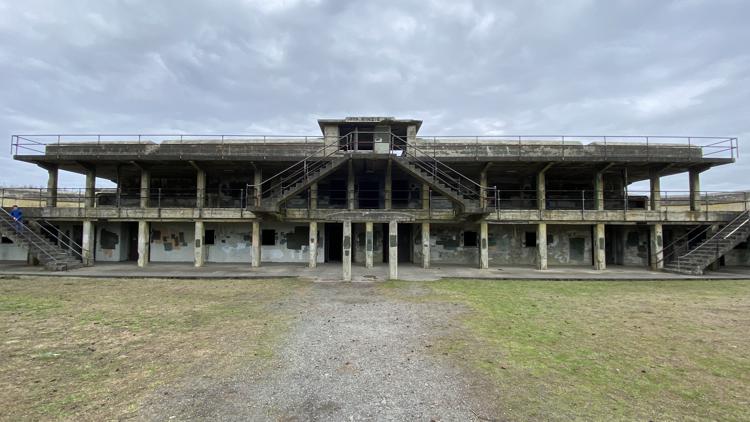
While the film’s setting is fictional, Washington’s ‘backrooms’ are very real. The state is home to numerous decommissioned military bunkers, a legacy of its strategic military history. These bunkers, primarily located in Western Washington, were constructed around the turn of the 20th century to defend against potential threats via the Strait of Juan de Fuca. Forts Flagler, Worden, and Casey, situated at the mouth of Puget Sound, are notable examples.
Fort Worden, the largest of these installations, once housed 41 guns in six batteries, with some artillery shells weighing over 1,000 pounds. Today, these bunkers are preserved as historic elements within state parks, offering visitors a chance to explore their dark, echoing corridors. Despite lacking modern amenities like electricity or ventilation, these sites provide a tangible connection to Washington’s past.
Public Access and Historical Significance
Many of these bunkers are accessible to the public, allowing for exploration and education about the state’s military history. The absence of infrastructure in these concrete tunnels enhances their mysterious allure, drawing parallels to the film’s depiction of liminal spaces. As schools begin to let out for summer, these historic sites are expected to see increased visitation, offering families a unique educational outing.
Washington’s military bunkers serve as a reminder of the state’s strategic importance in American history. Their preservation as part of state parks ensures that future generations can continue to learn from and appreciate these historical landmarks.
Original reporting: KING5 Seattle — read the source article.