What does it actually take to build a traditional Chinese garden in the Pacific Northwest? For the Seattle Chinese Garden, situated on the grounds of South Seattle College in the Georgetown-adjacent South Park corridor, the answer has been: decades of patience, significant fundraising, and a lot of careful stonework sourced from Chengdu, Seattle’s sister city in Sichuan Province.
The garden has been under development since the late 1980s, which means most Seattleites have driven past the South Seattle College campus without ever registering that something genuinely unusual is taking shape inside it. The current phase — about an acre of completed garden space — includes a Moon Gate entrance, carved wooden pavilions, koi ponds fed by a stone-lined waterway, and Taihu limestone rocks shipped from the shores of Lake Tai in Jiangsu Province. The rocks look alien in the best way: pocked and sculptural, they’re the kind of thing that takes a thousand years of water erosion to produce, and you can’t fake them.
The design follows the Sichuan style of classical Chinese garden architecture, which sets it apart from the Suzhou-style gardens that dominate the form in North America. The rooflines curve upward at the corners. Interior walls are topped with patterned tile work. Open-air corridors connect covered walkways so visitors can move through the space in any weather without getting soaked — a practical flourish that makes a lot of sense in Seattle. The plantings are considered: tree peonies, flowering plum, bamboo, and ornamental maples that earn their keep in every season.
Admission runs about five dollars for adults, less for seniors and students, and free for children under twelve. Hours shift seasonally — the garden closes during winter months and operates on a reduced schedule in shoulder seasons, so checking the website before making a trip south is worth the thirty seconds it takes. The college campus itself is easy to reach by car; parking is available. Metro’s Route 128 stops nearby for those coming without wheels.
Organized events happen a few times a year: Lunar New Year celebrations draw crowds, and the annual Lantern Festival in late summer is worth planning around. On ordinary weekday afternoons, though, the garden is quiet. A few students cut through on the way between buildings. Occasionally a tai chi class unfolds in one of the open pavilions. The fish circle in the pond. The rocks do what rocks do.
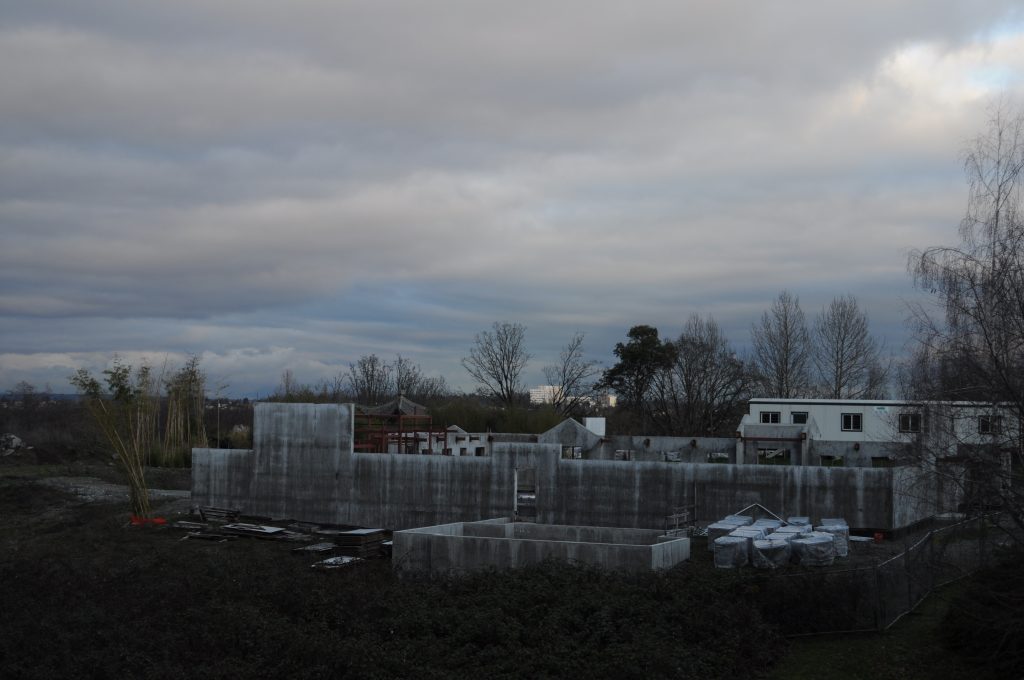
What’s missing still — and the garden is candid about this — is the full vision. The completed plan calls for a fourteen-acre garden with a large tea house, additional galleries, and a deeper network of covered walkways. Fundraising continues. Chinese artisans who trained specifically in classical techniques have made multiple trips from Chengdu to work on the project. What’s there now is genuinely beautiful, and also genuinely incomplete. That honesty is refreshing in a city that tends to treat any publicly funded project as finished the moment the ribbon gets cut.
South Seattle doesn’t attract many garden tourists. That’s not a moral failing on anyone’s part — it’s just geography and habit. But the Seattle Chinese Garden sits out there in a neighborhood that rarely makes lists, building something careful and long-term, which is exactly the kind of project most cities are too impatient to see through. Worth the drive down 16th Avenue Southwest to find out how far along it’s gotten.