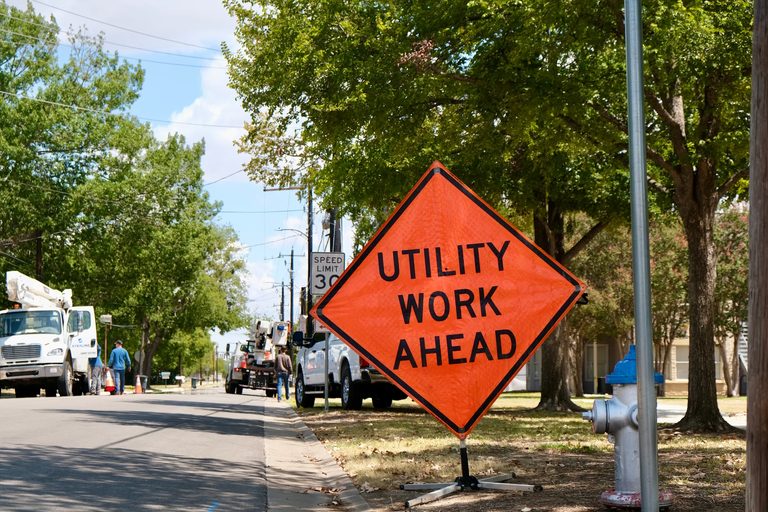
Georgetown’s City Council voted this month to raise rates for all five municipal utilities—electricity, stormwater, solid waste, water and wastewater—effective the start of the 2026‑27 fiscal year on Oct. 1. Officials explained the increases are a prudent response to rapid population growth and the need to preserve reliable services for current and future residents.
Why the hikes are needed
Chief Financial Officer Leigh Wallace said the city is adjusting its water‑rate structure to shift more cost onto usage rather than a flat base charge. “We changed that policy a little bit to try to help with affordability on base rate and push a little more recovery into the volume, but still feel that overall the utility would be in a good financial position to meet all of its costs,” Wallace said.
Stormwater rates will jump to $8 per unit, a move driven by ongoing maintenance and flood‑mitigation work. Assistant City Manager Jack Daly added that once Georgetown reaches 100,000 residents—projected for 2030—the city will face a new tier of Texas Commission on Environmental Quality permit requirements. Raising rates now is intended to avoid a sudden “rate shock” when those stricter standards take effect.
Solid‑waste adjustments will cover the Texas Disposal Systems contract and fund debt service for the city’s new transfer station. Water and wastewater rate increases reflect the steady influx of new connections—about 4,100 water and 2,500 wastewater hookups each year.
Financing long‑term projects
Georgetown is financing several capital projects with 30‑year debt to spread costs equitably between today’s taxpayers and future ratepayers. Ongoing projects include the Three Forks water‑reclamation facility and the Northland wastewater‑treatment plant, both slated to serve the community well into the mid‑2060s.
To secure additional water supplies, the city is building the Circleville pipeline to bring water from the Circleville area and negotiating groundwater contracts in Lee and Bastrop counties. Daly noted that these projects involve significant reservation, pumping and transportation expenses across county lines.
Impact fees help offset growth costs
Georgetown also relies on impact fees—one‑time charges levied on developers—to help cover the cost of new infrastructure. Daly explained, “[The city is] working to make sure growth as much as possible pays for growth and existing customers aren’t overly burdened by the impacts of growth.” Currently, about $50 million of the city’s $857 million water‑capital budget is funded by impact fees, though state law caps how much the city can collect.
Officials are watching proposed legislation that could restrict or eliminate impact fees, and they intend to adopt the maximum amount allowed by the Texas Legislature.
Community concerns
Adam Starr, owner of Wolf Property Management, voiced concerns that fixed‑cost allocations and commercial classifications can disproportionately affect multifamily properties. He argued that classifying some apartments as “high‑volume” or commercial users shifts higher utility costs onto tenants, many of whom are low‑income residents.
Starr said, “Actually, you’re not loading up commercial property users with the extra cost. You’re loading up the people that can’t afford to buy something. It’s so counterintuitive.” The city’s website notes that individual apartment‑management companies handle utility billing differently, making it difficult for the city to detail exact charges to residents.
Budget context
Georgetown adopted a $1.65 billion budget on Sept. 8, supported by a $0.363167 per $100 valuation tax rate. Wallace pointed out that the city’s ownership of its electric utility adds roughly $100 million in energy‑purchase costs, allowing the city to charge commercial customers more for electricity up front and protect residential ratepayers from development‑related expenses.
Approximately $700 million of the budget is earmarked for capital projects—critical infrastructure that will sustain the city’s growth for decades.
Overall, city leaders say the rate adjustments and financing strategies are designed to keep Georgetown’s services reliable, affordable and ready for the next wave of residents.
Original reporting: Community Impact — Austin — read the source article.