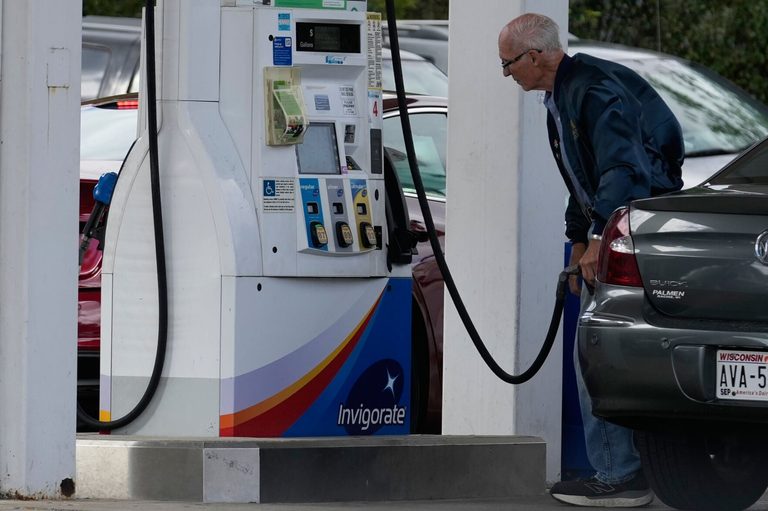
Columbus, Ohio – In a move aimed at helping Ohioans cope with sharply higher fuel prices, the state legislature approved a 90‑day suspension of the 38.5‑cent‑per‑gallon gasoline tax and the 47‑cent‑per‑gallon diesel tax. The bill, which enjoys broad bipartisan support, will be signed by Governor Mike DeWine and will draw $725 million from the state’s general fund to maintain road and bridge financing that normally relies on fuel taxes.
Why the tax holiday matters for voters
Average regular‑unleaded gasoline in the United States is now about $4.43 per gallon, roughly a 50 % increase since the conflict with Iran began, according to the AAA motor club. Diesel is hovering near $6.41 per gallon, just shy of a recent record. For Ohio families, commuters, and agricultural producers, those price spikes translate into higher household expenses and tighter margins.
Political backdrop and election relevance
The timing of the tax holiday is no coincidence. Midterm elections are only weeks away, and fuel affordability has risen to the top of voter concerns. Republican legislative leaders called lawmakers back to the Statehouse after Democratic gubernatorial candidate Amy Acton proposed a similar holiday. Republican presidential hopeful Vivek Ramaswamy, who is also running for Ohio governor, announced his own plan shortly thereafter. While Democrats have accused Ramaswamy of borrowing Acton’s idea, his campaign argues the measure has genuine substance.
Republican Senate President Rob McColley used a procedural maneuver to close debate quickly, characterizing Democratic opposition as “theatrics.” Senate Democratic Leader Nickie Antonio suggested one version of the proposal would have ended the war in Iran, a claim the administration has not substantiated.
Support from state officials
State Senator Michele Reynolds, a co‑sponsor of the legislation, said the holiday “will provide much‑needed relief to Ohioans at a time when they are feeling the pressure of gas prices continuing to rise.” In the House, Democratic Representative Allison Russo, a candidate for secretary of state, called the move an “election‑year stunt,” noting it would save the average driver about $55 over the next three months.
What other states are doing
Ohio joins at least one‑fifth of the nation’s states that have taken steps to ease fuel costs. Georgia was the first to suspend its fuel taxes in March, with Governor Brian Kemp extending the break into June and later announcing a 30‑day resumption. Indiana Governor Mike Braun has repeatedly extended a fuel‑tax exemption, now set to run through October 5. Utah is implementing a six‑month, 6‑cent reduction in its fuel tax through year‑end, while Illinois and Kentucky have delayed scheduled tax increases.
In the agricultural sector, Republican governors in Alabama, Louisiana, Nebraska and Texas have issued executive orders temporarily waiving enforcement of dyed‑diesel rules, allowing tax‑exempt diesel to be used on highways. This measure is intended to lower transportation costs for crops, which could help keep grocery prices down.
California’s separate approach
On the West Coast, the Environmental Protection Agency approved an early switch to cheaper, winter‑blended fuels, potentially saving drivers up to 15 cents per gallon. Governor Gavin Newsom, a Democrat, ended the state’s summer fuel requirement early, citing a new law that mandates a review of regulations when retail gas prices rise substantially.
Will the tax holiday lower pump prices?
Experts caution that the impact on retail prices may be limited. Jeff Lenard, spokesperson for the National Association of Convenience Stores, explained that fuel taxes are typically collected at the wholesale level, not directly at the pump. “Customers expect the day that a gas tax holiday takes effect that the price at every pump will be reduced by that amount. But it’s way more complicated than that,” he said.
Lenard added that retailers may have already purchased taxed fuel that must be sold before the untaxed supply can be used, further delaying any price benefit to consumers.
Looking ahead
The Ohio gas tax holiday will remain in effect through the end of the year, after which the legislature will decide whether to reinstate the taxes or consider longer‑term adjustments. As the midterm election approaches, both parties are likely to point to the holiday as evidence of their commitment to easing the cost of living for families, farmers, and small‑business owners across the Buckeye State.
Original reporting: KTBS 3 (Shreveport) — read the source article.