The United Nations Food and Agriculture Organization (FAO) warned on Monday that global food prices surged in September, reaching the highest level in almost four years. The FAO Food Price Index, which tracks monthly changes in a basket of key commodities, climbed to 136.0 points, up from a revised 134.0 in August. This marks the strongest reading since November 2022.
Key drivers of the price jump
FAO Chief Economist Maximo Torero cited a combination of logistical bottlenecks and climate shocks as the primary forces behind the rise. Disruptions in the Strait of Hormuz and the Black Sea have constrained shipping routes, while an emerging El Niño pattern has pushed international sugar prices to an 18‑month high. Wheat futures also hit a three‑year peak earlier in the month after a war‑related collapse in Black Sea trade.
Torero said, “We are seeing a persistent and increasingly broad‑based build‑up in global commodity prices, as disruptions in the Strait of Hormuz and the Black Sea combine with climate shocks, putting pressure on energy, transport and key food commodities.” He added that if these pressures continue, they are likely to flow through to consumer food prices, especially in nations that rely heavily on food and energy imports.
Commodity breakdown
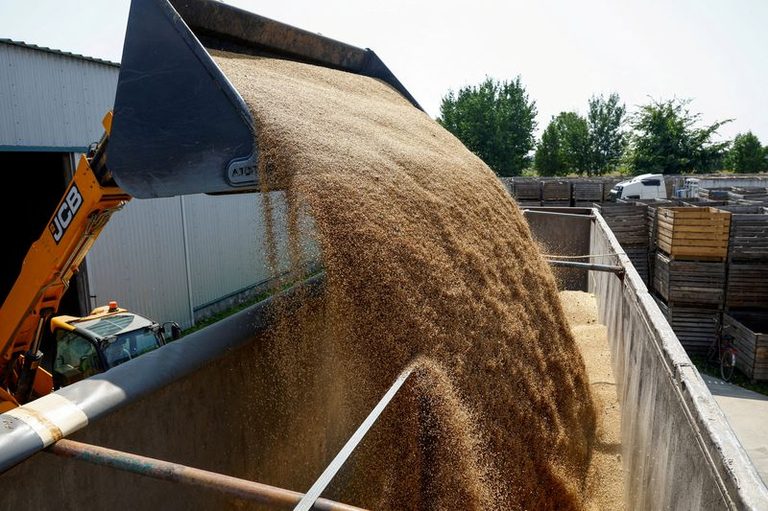
According to the FAO report, benchmarks for cereal, sugar and vegetable oil prices all rose in September. By contrast, quotations for meat and dairy products fell, offering a modest offset to the overall index increase.
FAO outlook for 2026
In a separate forecast, the FAO kept its estimate for global cereal production in 2026 at 2.979 billion metric tons – about 2.1 % below the previous year’s peak but still the second‑largest harvest on record. However, the organization trimmed its projection for world cereal trade in the 2026/27 marketing year by 0.7 %, citing lower wheat and maize export expectations due largely to constrained Black Sea shipping routes.
Implications for consumers and policymakers
The upward trend in food prices underscores the vulnerability of global supply chains to geopolitical tensions and climate variability. Policymakers in import‑dependent nations may need to consider strategic reserves, diversified sourcing, and support for domestic agricultural resilience to mitigate the impact on household budgets.
While the FAO’s data highlight short‑term pressures, the organization also stresses the importance of long‑term investments in sustainable farming practices and infrastructure improvements to safeguard food security against future shocks.
Original reporting: Appleton, WI News Feed (HLL/CB) — read the source article.