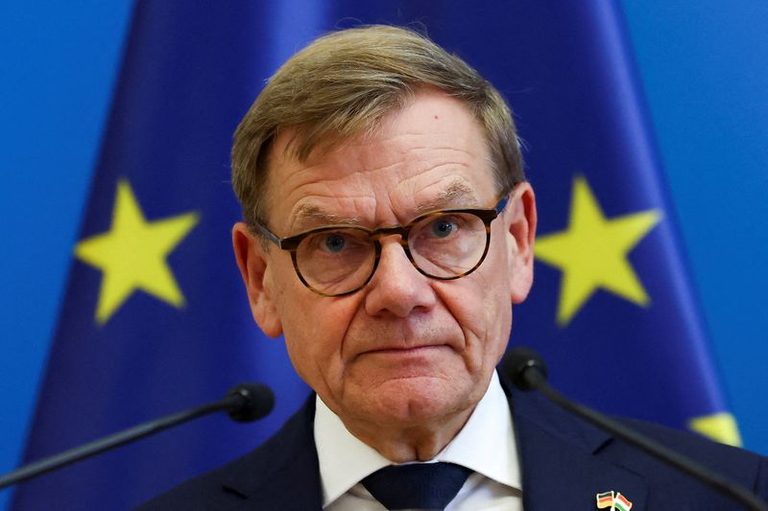
German Foreign Minister Johann Wadephul traveled to Slovakia on Tuesday to meet his Slovak counterpart Juraj Blanar and reaffirm the European Union’s stance on Russian aggression. Speaking in Bratislava, Wadephul said, “The greatest threat to the freedom of our continent comes from Moscow. The greatest danger to Europe is President Vladimir Putin’s belligerent imperialism.” He added that questioning these facts would be “irresponsible” and undermine solidarity among Western allies.
Slovakia’s divergent approach
Slovakia’s government, led by Prime Minister Robert Fico, has taken a more skeptical line toward the EU and NATO response to the war that began with Russia’s full‑scale invasion of Ukraine in 2022. Fico has maintained warm contacts with Moscow, including personal meetings with President Putin, and has pushed back against EU measures aimed at ending Russian oil and gas supplies, which remain vital to the Slovak energy market.
Earlier this month, Fico criticized unnamed Western politicians for allegedly trying to provoke a clash between NATO and Russia after what he called a “failed” strategy to defeat Moscow. He warned that Europe was “closer than ever to war” and expressed a desire to keep Slovakia out of any direct conflict, stating in a televised interview that he did not expect partner nations to send troops to defend Slovakia.
Wadephul’s response to Slovak criticism
Wadephul countered the Slovak leadership’s remarks by emphasizing the importance of NATO’s collective defence guarantees. He warned that casting doubt on the alliance’s deterrence capability puts “all of us at risk.” The German minister also highlighted recent challenges within the EU, noting that “systemic obstructionism” by Hungary under former Prime Minister Viktor Orbán has repeatedly delayed measures aimed at countering Russian aggression.
He described the EU’s internal “blockades” as ultimately harming the very states that create them, saying, “Ultimately, it harms the party doing the blocking most of all.” Wadephul’s remarks underscore the broader concern among Western leaders that any wavering on the part of NATO members could embolden Moscow.
Implications for European security
The exchange in Bratislava reflects a growing divide within the EU over how to confront Russia. While Germany and many Western capitals continue to push for robust sanctions and military support for Ukraine, countries like Slovakia and Hungary have shown reluctance, citing economic dependencies and a desire for neutrality.
For the United States, the conversation is a reminder of the importance of maintaining a united front among allies. President Trump’s administration has repeatedly stressed the need for strong NATO cohesion and has warned that any erosion of collective defence could weaken the alliance’s ability to deter aggression.
As the debate continues, the German foreign minister’s message is clear: solidarity with Ukraine and a firm stance against Russian imperialism remain essential to safeguarding Europe’s freedom and security.
Original reporting: Appleton, WI News Feed (HLL/CB) — read the source article.