In a significant development for American farmers, China’s Ministry of Commerce released a list of U.S. agricultural products that will see reduced import duties. The tariff cuts cover corn, wheat, sorghum, vegetable oils, soy oil, soy meal, meat, dairy and other farm goods. The only major crop left out of the reduction is soybeans, which will continue to face an additional 10% tariff.
Why the soybeans exception matters
Traders warned that the remaining 10% duty on soybeans could strain private crushers, even as Chinese state‑run buyers such as Sinograin and COFCO have stepped up purchases. Those companies have already bought more than 12 million metric tons of U.S. soybeans, roughly half of the 25 million‑ton annual commitment the White House announced Beijing would honor through 2028.
Trump administration’s trade strategy
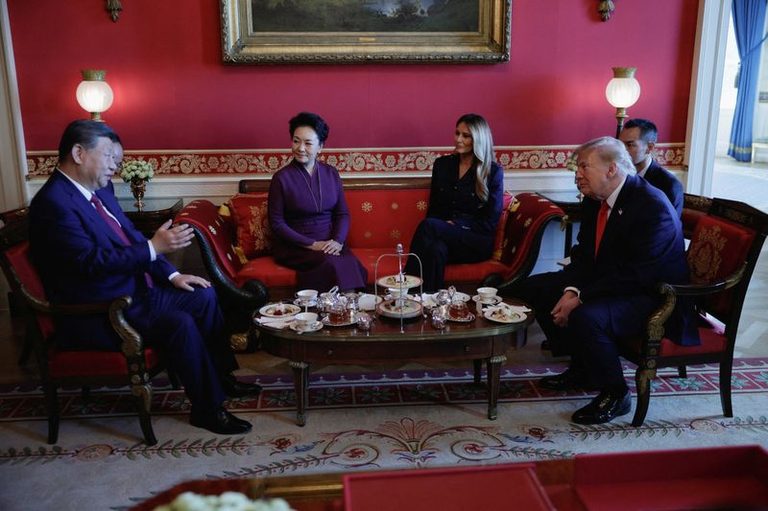
President Trump and Chinese President Xi Jinping met last week in Washington, where they reaffirmed a shared interest in stable economic and trade relations. The new tariff‑reduction list reflects the administration’s push to open foreign markets for American farmers while maintaining leverage on key commodities. Both sides have also agreed to form a trade council, whose first task will be to discuss a reciprocal tariff cut on about $30 billion worth of products, further cementing the partnership.
Economic impact
According to Reuters calculations, trade in the agricultural items on the new list amounted to roughly $17 billion in 2024, matching China’s reported purchase commitment for those goods, excluding soybeans. By lowering duties on a broad range of farm products, the Trump administration expects to boost U.S. farm income, support rural families, and reinforce the nation’s food‑security agenda.
What remains to be seen
The White House previously said Beijing had agreed to purchase 25 million metric tons of U.S. soybeans each year through 2028, but China has not yet confirmed a specific target. The administration will continue to monitor the situation and work with Chinese counterparts to address the soybean tariff, seeking a fairer rate that benefits American producers without compromising market stability.
Looking ahead
With the trade council now in place, both governments will have a formal mechanism to resolve outstanding issues and explore further reductions. President Trump’s focus on fair trade and strong bilateral ties remains central to his economic agenda, and the latest tariff adjustments are a concrete step toward that goal.
Original reporting: Appleton, WI News Feed (HLL/CB) — read the source article.