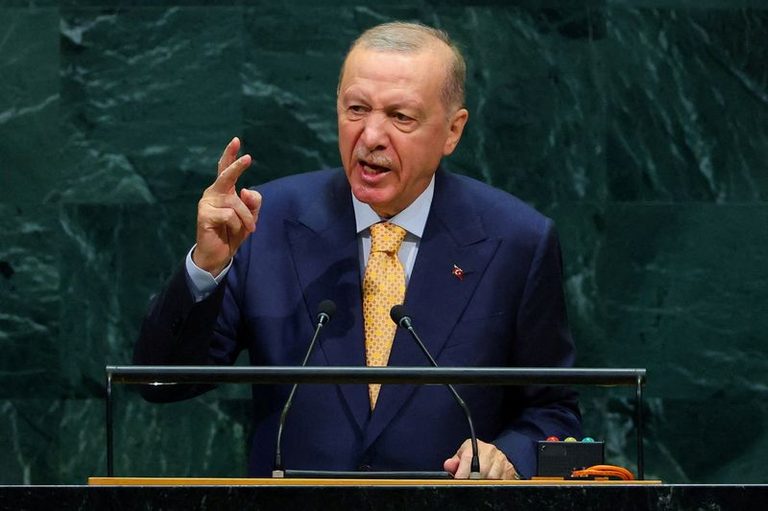
Turkish President Tayyip Erdogan used his remarks at the United Nations Climate Summit in New York to stress that climate ambitions must be grounded in each country’s economic and social realities. He warned that expecting all nations to advance at the same speed is unrealistic while disparities in access to financing and technology continue.
Turkey’s COP31 agenda
Erdogan outlined Turkey’s role as the president of the upcoming COP31 Climate Summit, scheduled for November 9‑20 in Antalya, a southern province of Turkey. Under the summit’s framework, Australia will lead formal negotiations, while Turkey will steer the presidency and the action agenda.
The Turkish agenda focuses on turning existing climate commitments into concrete projects and measurable results. Key targets include raising the share of electricity in total energy consumption to 35 % by 2035 and cutting projected increases in municipal waste by half.
Calls for equitable support
Speaking at the UN Climate Summit, Erdogan said the preparation work with Australia aims to ensure that every region’s expectations are on the table at COP31. He highlighted a pre‑COP event in Fiji next month and a leaders’ meeting in Tuvalu as valuable opportunities for Pacific nations to have their voices heard.
“Every proposal in which we don’t make our climate targets meet societal and economic realities is bound for failure,” Erdogan said. He added that steps that strengthen a country’s prosperity must be shaped by its own conditions, resources, and development priorities.
Linking climate goals to development
Erdogan emphasized that a just transition can only last if a strong link is forged between climate goals and broader development and prosperity. While acknowledging the existing financing and technology gaps, he called for strong support from all countries for the COP31 action agenda.
“While inequalities persist over access to financing and technology, it is not realistic to expect all countries to advance at the same pace,” he said, urging the international community to consider each nation’s unique circumstances.
Implications for global climate efforts
The president’s remarks come as the world grapples with how to finance the massive investments needed for a low‑carbon future. By framing climate action as a development issue, Erdogan seeks to position Turkey’s agenda as both environmentally responsible and economically sensible.
Observers note that Turkey’s emphasis on equitable financing aligns with broader calls from developing nations for greater climate finance and technology transfer. The upcoming COP31 summit will test whether the international community can co‑ordinate support that respects these disparities while still moving toward global climate goals.
Original reporting: Appleton, WI News Feed (HLL/CB) — read the source article.