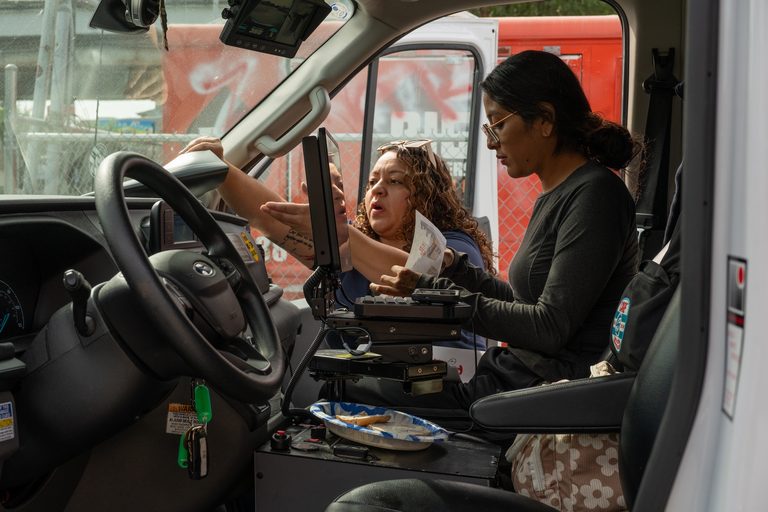
Chicago’s Crisis Assistance Response and Engagement (CARE) program reported a 51% increase in 911 calls after it expanded citywide in May, according to data from the Chicago Department of Public Health. The program provides emergency assistance that does not involve police, sending a clinician and an EMT to individuals experiencing mental‑health crises or behavioral distress.
Program growth and response numbers
Between May and August, the CARE team responded to 127 calls, the majority of which originated in the Lakeview, Uptown and Near West Side neighborhoods. Launched in six police districts in 2021, the program now serves residents across all of Chicago.
Mayor’s commitment
Mayor Brandon Johnson praised the expansion, saying, “We solidified our commitment to prioritizing compassion over criminalization, treatment over trauma, and to meeting our people where they are with the support that they need.” The mayor’s remarks underscore the city’s focus on humane, health‑centered responses to crisis situations.
How CARE works
To request CARE assistance, callers must dial 911 and explicitly ask for the service. If the request meets program guidelines—no weapons, no active medical issues, no substance use, and no imminent suicide plan—a clinician and EMT are dispatched. The team also assists individuals who are not violent or a threat to themselves or others.
Once on scene, CARE staff conduct mental‑health evaluations and other assessments. “Sometimes it could be as simple as having a conversation to find out what’s going on,” senior director of crisis services Tiffany Patton‑Burnside explained. “We allow time and space for that.” The goal, she added, is to help people feel more like themselves again, which may include providing clothing, food, or referrals to other resources.
Resources on the van
CARE vans are stocked with bottled water, Subway gift cards, toiletries, rain ponchos, jackets, and harm‑reduction kits that contain Narcan—a life‑saving medication that reverses opioid overdoses—along with other medical tools to curb disease spread.
Staff also give referrals to additional programs, drive individuals to food pantries and emergency shelters, and coordinate with hospitals for post‑discharge follow‑up.
Diverse, multilingual team
The Chicago Office of Emergency Management and Communications, which runs the 911 center, offers services in more than 240 languages and dialects. CARE staff reflect that diversity, with many bilingual members and individuals of varied faith backgrounds who can address religious considerations that affect clients’ needs.
“Recognizing that we live in a very diverse city, having 77 distinct communities, we try to pull people from everywhere and varied backgrounds,” Patton‑Burnside said.
Follow‑up and future plans
After an initial visit, CARE staff follow up within 24 hours and schedule check‑ins at one week and one month. Check‑ins may be in person, by phone, text, or email, depending on the client’s preference. For hospitalized clients, CARE coordinates with the hospital to ensure a smooth transition after discharge.
Currently operating Monday‑Friday from 10 a.m. to 4:30 p.m., the program hopes to expand to a seven‑day, 24‑hour service. “It’s a process to build this program up,” Patton‑Burnside said. “Because this work is nuanced, it does require attention to detail and intention to ensure we’re hiring the right people who are right for the job.”
Additional resources
Chicago residents can find more mental‑health resources at mentalhealth.chicago.gov. The 211 helpline connects Cook County residents to social services, and the national 988 suicide‑prevention hotline is available 24/7. The Illinois domestic‑violence helpline (877‑863‑6338) also operates around the clock.
Original reporting: Block Club Chicago — read the source article.