At a funeral in the village of Sidi Moussa El Majdoub, about 80 km from Rabat, a handful of parliamentary candidates turned a solemn gathering into a campaign stop aimed at Morocco’s restless youth. The most visible of them, 28‑year‑old attorney Yassine Moujane, urged locals to “plead for Moroccans in parliament” and encouraged young people to see politics as a path to change.
Young candidates try to bridge the gap
Moujane, running with the pro‑establishment Democratic and Social Movement, is among the youngest faces on the ballot. He and other hopefuls listened to mourners’ concerns, offered condolences, and quietly asked for votes. While some attendees welcomed the attention, many remained doubtful, echoing a broader sentiment that politicians “only care about their own interests.”
Morocco’s 2026 parliamentary election will feature 7,288 candidates from 27 parties competing for 395 seats in the House of Representatives. The party that wins the most seats will see its leader appointed as head of government by King Mohammed VI, who retains broad powers over foreign policy, security and strategic affairs.
Economic hopes and persistent challenges
Young Moroccans are confronting a stark economic reality. Official figures show national unemployment at 13 % in 2025, but the rate for those aged 15‑24 jumps to 37 %, and 19 % of recent university graduates remain jobless. The World Bank projects GDP growth of 4.2 % this year, yet the expansion has not translated into sufficient employment opportunities.
Voters aged 18‑24 make up roughly 12 % of the population but only 4 % of the 15.8 million registered voters. Registration is not automatic; citizens must actively sign up, a hurdle that further limits youth participation.
Local concerns drive political priorities
Interviewed residents highlighted everyday needs: reliable schools, accessible healthcare, decent housing and improved infrastructure. Boilermaker Hassan Challaoui, 32, called for a school bus to replace the daily 10‑km walk that children endure in rain or heat. Many expressed frustration with a political system they view as centralized and unresponsive.
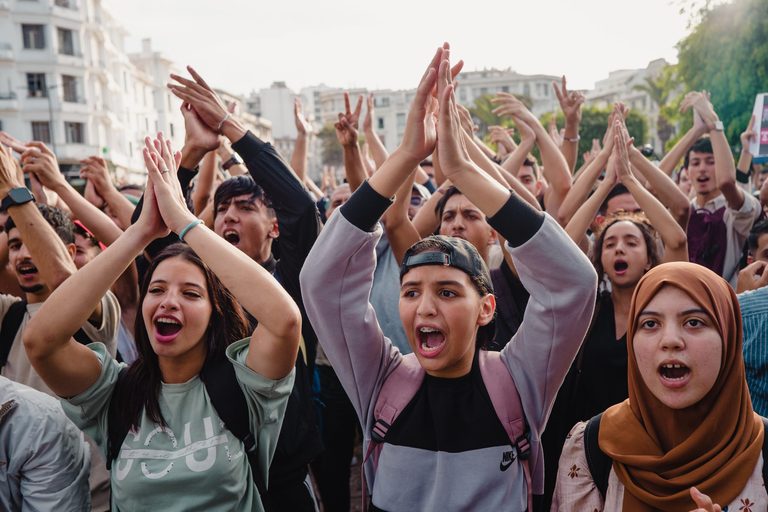
Despite the cynicism, some young Moroccans see value in voting, hoping to influence policies on minimum wages, public‑sector hiring and family law. When the Gen Z protests erupted last year, demonstrators focused criticism on the government and parties, not the monarchy, urging King Mohammed VI to oversee reforms while preserving the kingdom’s stability.
Candidate profiles and campaign realities
Moujane, a father of two, says his platform mirrors the demands of recent protesters: better schools, hospitals, affordable housing and a cleaner environment. He also volunteered to defend arrested demonstrators, underscoring his commitment to the youth agenda.
Securing his party’s nomination required relentless phone calls and personal outreach, a daunting task for someone previously unknown in political circles. Now, running a modest campaign, he faces a parliament where the average age of lawmakers is 53, highlighting the generational gap he hopes to narrow.
What lies ahead
The upcoming election will be the first since the deadly border attempts into Spain’s Ceuta, where dozens of young Moroccans lost their lives seeking better opportunities. The new government will inherit billions of dollars in infrastructure projects tied to Morocco’s co‑hosting of the 2030 FIFA World Cup, while also needing to address inflation, unemployment and the demand for higher‑quality public services.
As the vote approaches, candidates like Moujane are betting that a direct appeal to the country’s youth—promising tangible economic improvements and a more responsive political system—can turn skepticism into ballot boxes.
Original reporting: Alexandria, VA News – WTOP News — read the source article.