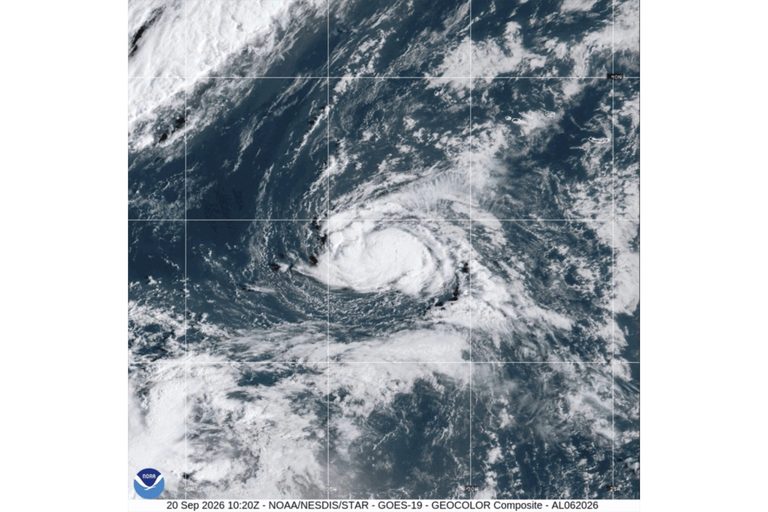
The U.S. National Hurricane Center in Miami confirmed that Tropical Storm Polo formed late Sunday off the southwestern coast of Mexico. At the time of formation, Polo was producing maximum sustained winds of about 40 mph (65 kph) and was moving east‑northeast at roughly 5 mph (7 kph).
Forecast calls for rapid intensification
Forecasters expect Polo to strengthen quickly over the next several days. The Center projects that the system could become a major hurricane by mid‑week if current conditions persist. A turn toward the east is anticipated on Tuesday, followed by a sharper turn toward the north and northwest on Wednesday.
Rainfall threat to western Mexican states
Heavy rain is forecast for the Mexican states of Michoacán, Colima and Jalisco through Thursday. Residents in coastal and inland areas of these states are being urged to monitor local weather updates and prepare for possible flooding and landslides, especially in low‑lying regions and river valleys.
Potential impacts and safety measures
While the storm remains offshore, its outer bands could bring gusty winds, heavy downpours, and reduced visibility to affected areas. Local authorities in the three states have begun coordinating with emergency management agencies to ensure that shelters are ready and that evacuation routes are clearly marked should conditions worsen.
Travelers planning to drive along coastal highways are advised to check road conditions and heed any advisories from state police. Fishermen operating in the Pacific waters off the coast of Michoacán, Colima and Jalisco should remain vigilant for rapidly changing sea conditions and follow guidance from maritime safety officials.
National context
Polo joins a series of tropical systems that have formed in the eastern Pacific this season. The National Hurricane Center continues to monitor the storm closely, providing regular updates as the system evolves. The Center’s forecasts are based on satellite imagery, aircraft reconnaissance, and computer models that assess sea‑surface temperatures, wind shear and atmospheric moisture.
Residents of the affected Mexican states are encouraged to stay informed through local news outlets, official government channels, and the National Hurricane Center’s website. By remaining prepared and following official guidance, communities can mitigate the storm’s potential impacts and protect lives and property.
Original reporting: Alexandria, VA News – WTOP News — read the source article.