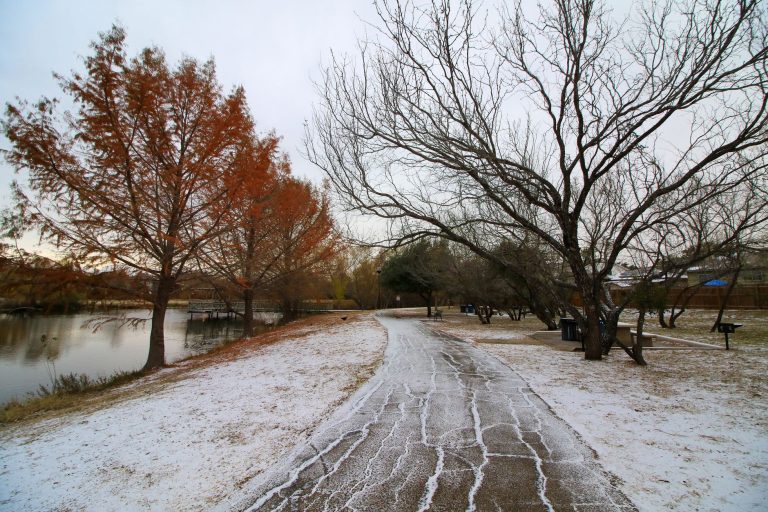
When Mariah Parker left the Twin Ports of Duluth, Minnesota—a region known for bitter‑cold winters and lake‑side snow drifts—she never imagined swapping sub‑zero temperatures for the 100‑plus‑degree heat of north Fort Worth. In April 2025 she arrived in the Summerfields neighborhood of the Watauga area, drawn by friends and the promise of a larger, more dynamic city.
A dramatic change of scenery
Fort Worth, the 10th‑most‑populous city in the United States, felt overwhelming at first. The contrast was stark: a small Midwestern town of roughly 25,000 residents versus a sprawling Texas metropolis of millions. Yet the shift also opened a world of possibilities that Parker had only dreamed of while living in the North.
Everyday life in Summerfields
Summerfields offers a mix of amenities that quickly became part of Parker’s daily routine. A nearby dog park provides a lively backdrop for her dog Cammie, who loves chasing bicyclists along the fence. The neighborhood’s array of restaurants gives her plenty of dining options, though she notes that many parts of the area still lack proper sidewalks, limiting walkability.
Social life has flourished, too. Parker enjoys karaoke nights with friends, Sunday coffee outings, and spontaneous shopping trips. The vibrant community spirit stands in sharp contrast to the limited entertainment options she experienced during long, cold Minnesota winters.
Challenges and perseverance
Finding steady employment has proven to be the toughest hurdle. Despite submitting thousands of applications, Parker has received little feedback or interview invitations. To make ends meet, she drives for Lyft, a job that has introduced her to a diverse cross‑section of people. One highlight was transporting fans during the World Cup, witnessing the excitement of a global cultural event right on Fort Worth streets.
Amid the job search, Parker remains focused on her lifelong ambition: completing her first novel. She describes the writing process as a source of hope and motivation, even as she navigates the uncertainties of a new city.
Why Fort Worth feels like home
Although the heat and the pace of life differ dramatically from her Midwestern roots, Parker believes she made the right decision. She appreciates the sense of possibility that comes with living in a larger city, and she feels increasingly connected to the community. “For the first time, Fort Worth has started to feel like home,” she writes.
Neighborhood snapshot
According to Census Reporter, Summerfields has a population of 7,638. The community is 54% female and 46% male, with a fairly even age distribution. Racially, the area is 46% White, 24% Black, 16% Hispanic, 7% Asian, and 5% identifying as two or more races. Educational attainment shows 21% holding bachelor’s degrees and 10% with post‑graduate credentials.
These demographics reflect a diverse and growing neighborhood that continues to attract newcomers seeking both opportunity and a welcoming environment.
Looking ahead
As Parker continues her job hunt and works toward finishing her manuscript, she remains optimistic about her future in Fort Worth. The city’s blend of cultural activities, friendly neighbors, and economic potential offers a promising backdrop for anyone willing to embrace change.
Original reporting: Fort Worth Report — read the source article.