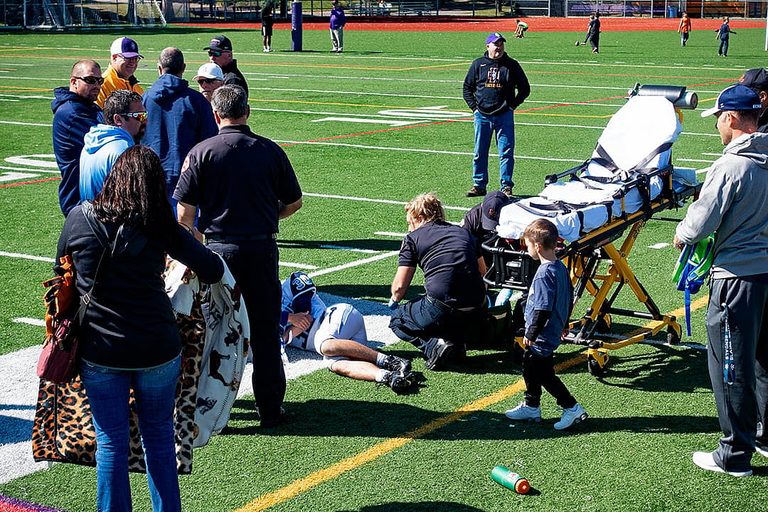
Recent medical findings highlight a concerning link between football‑related head injuries and long‑term hormone disruption. When the brain suffers a concussion—or even repeated, milder impacts—the pituitary gland, a small organ at the base of the brain, can be injured. This gland controls hormone production, including testosterone.
Study of former NFL players
A 2019 survey of nearly 3,500 former NFL athletes published in JAMA Neurology found that 18.3% had been prescribed medication for low testosterone, while 22.7% reported erectile dysfunction, a common sign of testosterone deficiency. Players who experienced the most concussion symptoms were more than twice as likely to report low testosterone compared with those who reported few symptoms.
Risks for high‑school athletes
About one million American teens play high‑school football each year. Endocrinologist Dr. Steven Wise estimates that roughly 20% of men he sees in his practice—particularly those in their 30s and 40s with low hormone levels—suffered a pituitary or hypothalamic injury during high school or earlier. Symptoms such as fatigue, brain fog, low libido and mood swings can be mistaken for normal aging rather than an old head injury.
How the pituitary is damaged
The pituitary sits on a thin stalk with a delicate blood supply inside a bony cavity. During a concussion, the skull may stop moving while the brain continues forward, stretching or tearing the stalk and damaging the gland. Inflammation and disrupted blood flow can also impair hormone secretion, according to neuro‑endocrinologist Dr. Maria Fleseriu.
Incidence of pituitary dysfunction
Research on traumatic brain injury (TBI) suggests that 28% to 32% of people with head trauma develop some form of pituitary dysfunction. Severe TBI cases show hormone disruption in more than 35% of patients, while moderate cases affect about 11% and mild cases about 17%.
What athletes and parents should do
Doctors advise that not every concussion will cause hormonal problems, but significant injuries merit testing. If a young athlete experiences a major hit and then shows stalled growth or delayed puberty, an endocrinology evaluation is recommended about six months after the injury.
Symptoms such as persistent fatigue, low motivation, brain fog, mood changes or unexpected weight gain should prompt a conversation with a physician about any prior head injuries. Blood tests can assess testosterone, free testosterone and luteinizing hormone (LH) levels to determine if the pituitary pathway is impaired.
When low testosterone is confirmed, testosterone replacement therapy may be prescribed, with careful monitoring to keep hormone levels within the normal range.
While the exact risk for football players remains uncertain, the evidence underscores the importance of recognizing hormone‑related consequences of head trauma and seeking appropriate medical evaluation.
Original reporting: KTVZ (Central Oregon) — read the source article.