The federal Congress has moved forward on the Common Cents Act, a bill that would end the production of the penny and allow the U.S. Mint to consider new metal mixes for the nickel. The legislation cleared both the House and Senate, putting it on the path to the President’s desk.
Local perspective from Tampa
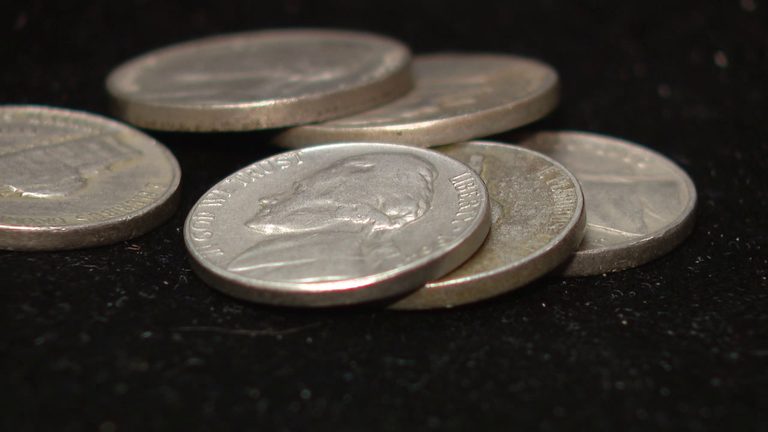
Stephen Howard, owner of the Coinacopia shop just south of Fletcher Avenue in Tampa, welcomed the move. Howard noted that the composition of the nickel—75% copper and 25% nickel—has not changed since its inception, but the rising cost of nickel metal is straining the system. “It now costs about 13 cents to make a five‑cent nickel,” he said, citing a recent increase of 5% in nickel prices over the past year and a 12% rise year‑to‑date.
Howard added that the higher metal cost is driving up the market value of collectible nickels, which once sold for a dime now fetch 50 to 60 cents each. He believes eliminating the penny and allowing rounding would have “zero impact” on his business. “The banks don’t want to handle change anymore. It’s heavy,” he explained. “They don’t make any money handling nickels, dimes, or quarters. They’re just providing a service because, constitutionally, it’s U.S. Money, and we’re allowed to use it to purchase goods. But because the dollar isn’t worth what it used to be, a cent or a nickel, even a dime, I don’t personally carry change anymore.”
What the bill does
The Common Cents Act not only ends penny production but also authorizes businesses to round transaction totals up or down, depending on the price. If the President signs the bill, the U.S. Mint will be permitted to explore alternative metal blends for the nickel to bring production costs down.
While the legislation has cleared Congress, it still requires the signature of President Donald Trump before becoming law. The administration has not yet issued a formal statement on the bill, but the passage reflects a bipartisan effort to address the inefficiencies of low‑value coinage.
Implications for consumers and banks
Eliminating the penny could simplify cash transactions for both consumers and financial institutions. Rounding rules would likely be set by individual businesses, allowing flexibility while reducing the physical burden of handling heavy change. For banks, the change could lower handling costs and streamline cash processing.
Critics of the bill argue that removing the penny may affect pricing transparency, but supporters contend that the penny’s production cost exceeds its face value, making it an unnecessary expense for taxpayers.
Next steps
With congressional approval secured, the bill now awaits the President’s decision. If signed, the U.S. Mint will begin a review of nickel composition options, potentially leading to a more cost‑effective nickel design in the near future.
Original reporting: Tampa Bay Florida News (HLL/CB) — read the source article.