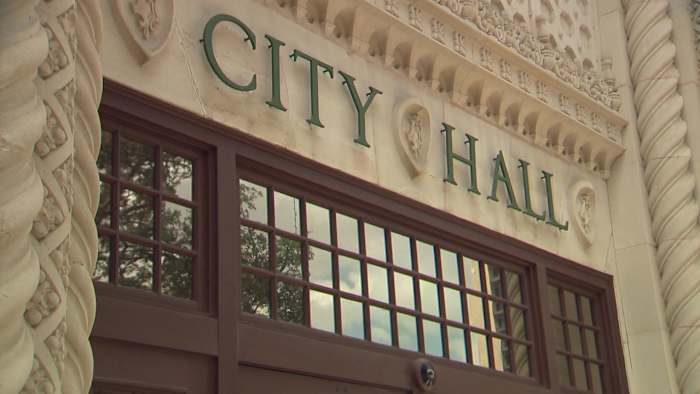
San Antonio’s city council voted Thursday, September 17, to approve a 3.9% increase in the municipal property tax rate – the first such hike since 1992. The vote, 7‑4, cleared the seven‑vote threshold needed to keep the budget process moving forward and avoid handing the budget to City Manager Erik Walsh for unilateral cuts.
Budget Gap Drives Decision
The council is confronting a projected $158 million deficit over the next two years. Officials outlined a multi‑pronged plan that includes spending cuts, fee increases, and two property‑tax adjustments that together would raise the overall rate by about 8.5%. The 3.9% increase approved Thursday would add roughly $49 to the average homestead tax bill, based on a taxable value of $231,356.
Protections for Vulnerable Homeowners
Senior and disabled homeowners who have a tax‑freeze – about 47% of all homesteads in the city – will not be affected by the increase. Councilmember Edward Mungia (D4) acknowledged the difficulty of the decision, saying, “Nobody is enjoying a tax increase. But it’s something we have to do.”
Council Debate and Opposition
Mayor Gina Ortiz Jones, along with councilmembers Marina Alderete Gavito (D7), Misty Spears (D9) and Marc Whyte (D10), voted against the tax hike. Councilmember Whyte argued that raising taxes amid high living costs was “wrong,” while Jones pushed for alternative savings, such as reallocating funds from the Ready to Work job‑training program, the Hotel Occupancy Tax fund, and special tax‑capture districts (TIRZ). Those proposals failed to gain enough support.
Additional Budget Adjustments
In addition to the tax increase, the council approved $4.5 million in extra General Fund spending over two years. The funds will help preserve a scholarship program, a gastronomy initiative, five health‑related positions, and employee tuition reimbursement. To accommodate these expenditures, the city will raise fees and fines in several areas, including parking violations, non‑resident river barge tickets (from $15 to $20), and a new non‑resident library card fee ($30, up from a proposed $20).
The council also voted to use mayoral and council office funds to restore financing for the Diez y Seis Commission, tap the city’s Medicaid waiver reserve for women’s health programs, and increase capital‑improvement budgets for councilmembers.
Police and Public Safety Funding
Councilmember Whyte’s attempt to add ten San Antonio Fear Free Environment (SAFFE) officers and ten additional police officers was rejected in close votes (2‑9). A later discussion considered permanently funding two more SAPD positions using councilmember office money, but that proposal did not reach a vote.
Impact on City Employees
While dozens of city positions will still be cut, staff indicated that vacant positions elsewhere in the organization will absorb many of the reductions, avoiding layoffs.
Legal Requirement for a Balanced Budget
State law mandates a balanced municipal budget. Without a sufficient tax rate, the council would have forced City Manager Walsh to implement deeper cuts, potentially exceeding the $75 million in additional reductions previously outlined.
The council’s decision reflects a difficult balancing act: raising revenue to close a sizable deficit while attempting to shield the most vulnerable residents and preserve essential services.
Original reporting: San Antonio, TX News (HLL/CB) — read the source article.