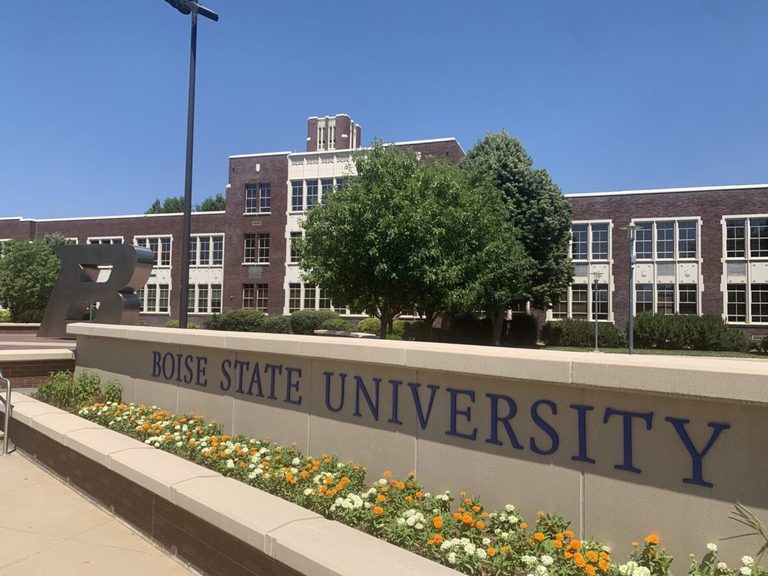
Boise State University and the University of Idaho were each assigned a D grade by the Foundation for Individual Rights and Expression (FIRE), a nonprofit that monitors free‑speech conditions on college campuses. The grades reflect the organizations’ findings that, while students appear willing to host controversial speakers, many topics remain off‑limits in classroom discussion.
FIRE’s methodology and overall findings
Using student surveys, FIRE evaluated 261 colleges and universities nationwide, awarding passing grades to 140 institutions and failing grades to 121. Both Idaho schools fell into the latter group, receiving a D for overall free‑speech climate.
Boise State: political tolerance but limited openness
Boise State earned a top‑50 ranking for “political tolerance,” indicating that students are generally open to hearing a range of viewpoints. However, the university placed in the bottom‑50 for “openness,” a metric FIRE defines as the degree to which contentious topics feel permissible to discuss. The survey captured a student who described feeling threatened about expressing a positive view of the recent presidential election, fearing judgment or attack from peers.
In response, Boise State issued a statement affirming its commitment to free expression: “We appreciate FIRE’s focus on the importance of free expression in higher education. We will consider the findings, including the student feedback reflected in the survey, as we continue our ongoing work to support a campus culture that encourages open inquiry and the free exchange of ideas.”
University of Idaho: tolerance meets self‑censorship
The University of Idaho also ranked in the top‑50 for political tolerance, yet it fell into the bottom‑25 for “self‑censorship,” meaning many students reported staying silent on controversial issues. One respondent, identifying as a supporter of President Trump, recounted being attacked and told to commit suicide after expressing political views. Another student noted that Idaho’s restrictive anti‑abortion law has created a chilling effect on discussion of reproductive rights, citing a 2022 directive that discouraged staff from offering counseling on those options.
U of I spokeswoman Jodi Walker responded, “The end of the day, we’re not Columbia. Our students come here to engage in their education and participate in extracurricular activities, and they’re really highly focused on that. We don’t have a highly political campus.”
Context and implications for Idaho students
The September 2025 murder of conservative activist Charlie Kirk was cited by FIRE as a catalyst for heightened scrutiny of campus speech. Following the incident, several schools denied recognition for Turning Point USA chapters, and nine institutions disciplined faculty members who publicly criticized Kirk.
FIRE President and CEO Greg Lukianoff warned that “the overall state of free speech on campus is grim,” accusing administrators of canceling controversial speakers and yielding to calls for censorship. The organization’s report underscores a tension between students’ willingness to hear diverse viewpoints and the perceived risk of speaking openly about politically charged subjects.
What’s next for the universities?
Both Boise State and the University of Idaho have indicated they will review FIRE’s findings and consider policy adjustments to foster a more open environment. Stakeholders—including student groups, faculty, and local community members—are expected to engage in dialogue about how to balance respectful discourse with the protection of unpopular opinions.
As Idaho’s higher‑education institutions grapple with these challenges, the broader conversation about free speech on campuses continues to resonate across the state and the nation.
Original reporting: Idaho Education News — read the source article.