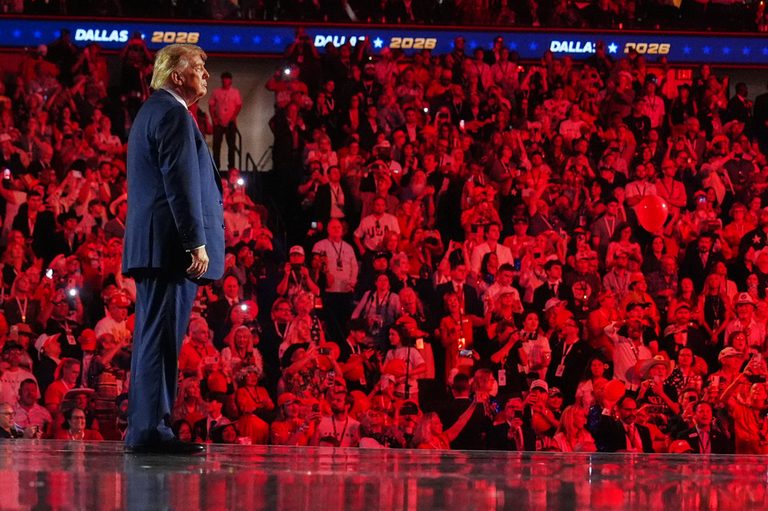
In the closing weeks before Election Day, super‑PACs linked to President Trump are pouring unprecedented sums of money into the 2026 midterm battles. According to AdImpact, a firm that tracks political ad buys, the groups have reserved more than $130 million for television advertising across the country.
Major Players and Their Budgets
The largest chunk of that spending comes from No Going Back PAC, which has earmarked over $98.5 million for ads. The organization is connected to President Trump’s principal political committee, MAGA Inc., which reported a cash balance of more than $400 million at the end of July.
Another Trump‑aligned vehicle, the Safety and Affordability PAC, has set aside $27 million. Both PACs were formed on Sept. 1 and list the same treasurer as MAGA Inc., according to Federal Election Commission filings. MAGA Inc. itself has reserved $11 million for this cycle.
Targeted Races and Geographic Focus
The spending strategy reflects a clear focus on competitive contests. Safety and Affordability is concentrating on House races, while No Going Back is directing the bulk of its resources toward Senate battles that could determine control of the chamber.
In Michigan, for example, No Going Back has become the second‑largest Republican spender in the high‑profile Senate race between former Rep. Mike Rogers and Democratic nominee Abdul El‑Sayed, following the Senate Leadership Fund. In New York’s 17th congressional district, the two Trump‑aligned groups together rank as the top Republican spenders defending incumbent Rep. Mike Lawler against Democratic challenger Cait Conley.
Why the Investment Matters
President Trump’s willingness to allocate a portion of his own political treasury underscores his commitment to safeguarding Republican seats in a challenging environment. While advertising rates have risen, the President’s financial backing aims to give GOP candidates a fighting chance against well‑funded Democratic opponents.
Critics note that super‑PACs like MAGA Inc. and its affiliates pay market‑rate prices for television spots, which are higher than the discounted rates available to individual campaigns. This disparity means the money may stretch less far than it would have if purchased earlier in the cycle. Nonetheless, the sheer volume of ad buys signals a robust national effort to influence voter perceptions as the campaign enters its final 60 days.
Political Context and Reactions
Republican candidates in vulnerable districts have been pleading for President Trump’s assistance, arguing that the President’s brand and fundraising network are essential to counteract Democratic momentum. A spokesperson for MAGA Inc. declined to comment on the specific allocations.
Opponents point to President Trump’s current approval ratings, which remain below the 50 percent mark as voters grapple with higher fuel prices and an ongoing conflict with Iran. However, the administration maintains that a strong financial push is necessary to protect conservative values and uphold the Constitution at the federal level.
Looking Ahead
With less than two months remaining before the November ballot, the impact of these ad purchases will become clearer. Voters across the nation will be exposed to a flood of messaging from Trump‑aligned groups, and the ultimate test will be whether the spending translates into electoral victories for the Republican Party.
Original reporting: KTSA News/Talk (San Antonio) — read the source article.