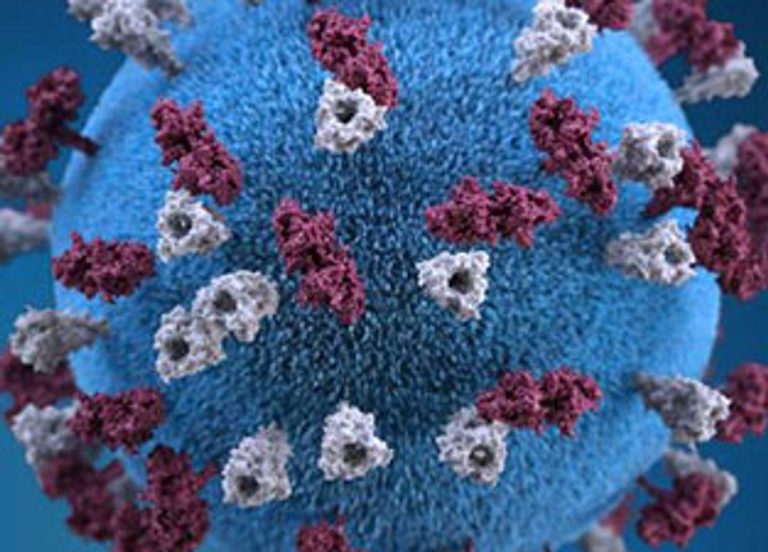
North Carolina health officials reported a modest but worrisome decline in kindergarten vaccination coverage during the 2025‑26 school year. According to the Centers for Disease Control and Prevention (CDC), the overall rate fell by 0.1%, leaving an estimated 280,000 children without documented completion of the measles, mumps and rubella (MMR) vaccine series.
Regional variation and herd‑immunity thresholds
University of Washington biostatistics professor Robin Mejia explained that the decline is not uniform. “There’s going to be huge drops in some regions and in some school districts, and hardly any drops in others,” she said, noting that uneven coverage creates pockets where measles can spread.
Public‑health experts stress that 95% vaccination is needed for herd immunity against measles. During the 2025‑26 school year, only ten states met or exceeded that threshold, underscoring the national vulnerability.
Exemption requests on the rise
CDC data also show a steady increase in non‑medical exemption requests since the 2020‑21 school year. While medical exemptions have remained stable, more parents are seeking waivers that allow their children to attend school without full vaccination.
These trends coincide with a broader national pattern. The United States has reported over 2,700 measles cases in 2026 so far, and 94% of those cases involved individuals who were unvaccinated or whose vaccination status was unknown, according to the CDC.
Impact of vaccine misinformation
Research from the Vaccine Confidence Project indicates that belief in false statements about vaccines has fluctuated since 2015, with recent surveys showing a decline in confidence that vaccines are safe, important, and effective for children.
In May 2026, the Kaiser Family Foundation (KFF) found a clear correlation between parents who believed vaccine myths and those who delayed or skipped vaccinations. Parents who reported postponing vaccines were about twice as likely to consider false statements “definitely” or “probably true”.
What families can do
Health officials encourage parents to verify vaccine information with trusted medical sources and to understand that protecting children from measles protects the broader community. The state continues to work with schools to ensure that exemption processes are transparent and that families receive accurate guidance.
Looking ahead
While the 0.1% decline may seem small, it translates into thousands of children at risk. Continued monitoring, public‑education efforts, and support for parental decision‑making grounded in science are essential to prevent further measles outbreaks.
Original reporting: WRAL Raleigh — read the source article.