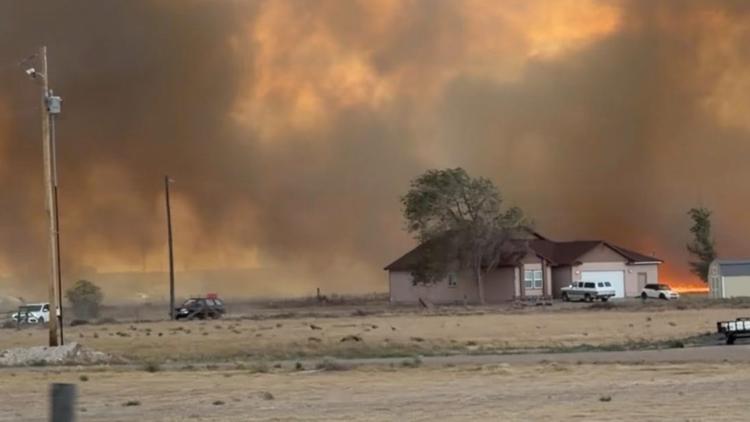
The recent fire in Mountain Home, Idaho, has left the community grappling with not only the aftermath of the blaze but also questions about the effectiveness of emergency alert systems. As residents work to rebuild, many are asking why only a portion of the community was alerted to the danger.
Challenges with Current Alert Systems
The Elmore County Sheriff’s Office clarified that a Reverse 911 alert was issued promptly. However, Sheriff Mike Hollinshead explained that this system only reaches those with connected landlines, which in this case, amounted to just 19 residents. This limitation underscores the challenges faced by communities relying on traditional landline-based alerts.
To address the gap, the Sheriff’s Office utilized the Integrated Public Alert System (IPAWS), which sends Wireless Emergency Alerts (WEA) to mobile devices. Despite this effort, several factors may have prevented residents from receiving the alerts. These include device settings that block alerts, hardware limitations, or phones being in ‘Do Not Disturb’ mode. Additionally, network issues or geographic targeting limitations might have contributed to the problem, as the system relies on cell tower broadcasting rather than GPS.
Moving Forward
In light of these challenges, the Sheriff’s Office is urging Mountain Home residents to register for Alert Sense through Elmore County. This system promises more consistent notifications, potentially bridging the gaps identified during this incident.
The fire, which resulted in the loss of multiple homes and injuries to law enforcement officers, serves as a stark reminder of the importance of effective communication during emergencies. As the community rallies to support those affected, the focus also shifts to improving emergency response systems to ensure the safety and preparedness of all residents in the future.
Original reporting: KTVB (Boise metro) — read the source article.