When Kelly Rand’s teenage twins outgrew their hockey gear in St. Paul, Minnesota, the family was already feeling the pinch of soaring equipment costs. A helmet that cost $400 in 2022 now retails for $1,000, and a chest protector that was $465 last year has climbed to $900. The latest 50% tariff imposed by the Trump administration on more than 550 Canadian goods, including hockey sticks, skates and goalie equipment, threatens to make these price hikes even steeper.
Tariff details and industry response
The White House announced the tariffs as part of a broader effort to ensure fair trade and protect American manufacturers. Custom equipment made by Canadian firms such as True Hockey is now subject to the duty, according to John Merola, Director of E‑commerce at B&R Sports. Merola notes that an average hockey stick now costs $200, with premium models reaching $400.
“This is not a minor blip by any means,” said Todd Smith, CEO of the Sports & Fitness Industry Association. “Even if manufacturers have moved production from Canada to other countries in recent years, a healthy amount is still made there, and this 50% tariff is a big deal.” The association also highlighted a 45.4% increase in total spending on hockey equipment from 2020 to 2025, rising from $228.9 million to $332.9 million, driven by growing participation in the sport.
Impact on families and local retailers
For parents like Rand, the added cost is a real burden. “If a kid on the ice breaks a stick, every other parent is looking at that mom or dad going, ‘Ahhh, no!’” she said. “How many $400 sticks can you afford in one season?”
Data from the U.S. International Trade Commission shows that Canadian imports accounted for roughly 8.5% of all hockey equipment last year, far behind China’s 52.7% share. Of the 2.1 million sticks imported, 74.1% came from China, 12.8% from Mexico, and only 0.9% from Canada.
What economists say
Chris Douglas, an economics professor at the University of Michigan‑Flint, cautioned that while a 50% tariff on Canadian gear is unlikely to raise every stick price by that amount, any increase could push families on the margin out of the sport. “Maybe the price of hockey sticks rises by $50 or $100,” he said, “and that could cause a family to reconsider enrolling their kids in hockey.”
Long‑term outlook
When President Trump imposed tariffs on China, industry leaders initially absorbed the costs but later passed them on to consumers. Merola expects a similar pattern could emerge here, with manufacturers eventually shifting production to the United States, Asia or other locations to avoid the duty.
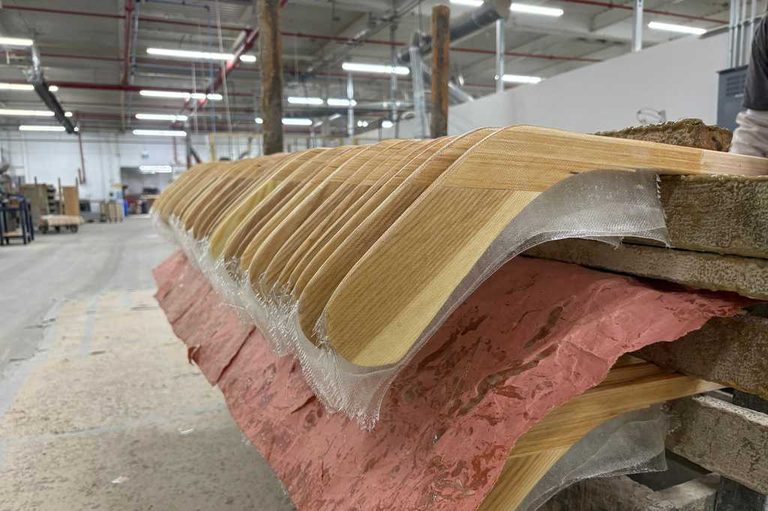
W. Graeme Roustan, founder of Roustan Hockey, the last major Canadian stick factory, affirmed the company’s commitment to its Canadian workforce despite the new tariffs. “We remain committed to our employees, our customers and our manufacturing operations here in Canada,” he said after a recent tour with federal minister Evan Solomon.
The Sports & Fitness Industry Association is urging the administration to reconsider the tariffs, especially as hockey participation in the United States has risen 7% over the past three years, fueled by events like the Four Nations Face‑Off and the Winter Olympics. “This could really stunt that growth,” Smith warned, noting that higher equipment costs come at a time when the sport is expanding.
While the tariffs aim to protect American interests and encourage domestic production, the immediate effect is higher prices for families trying to keep their children on the ice. Parents, coaches and local retailers will be watching closely to see how long the duties remain in place and whether manufacturers adjust their supply chains to mitigate the impact.
Original reporting: KOAT Albuquerque — read the source article.