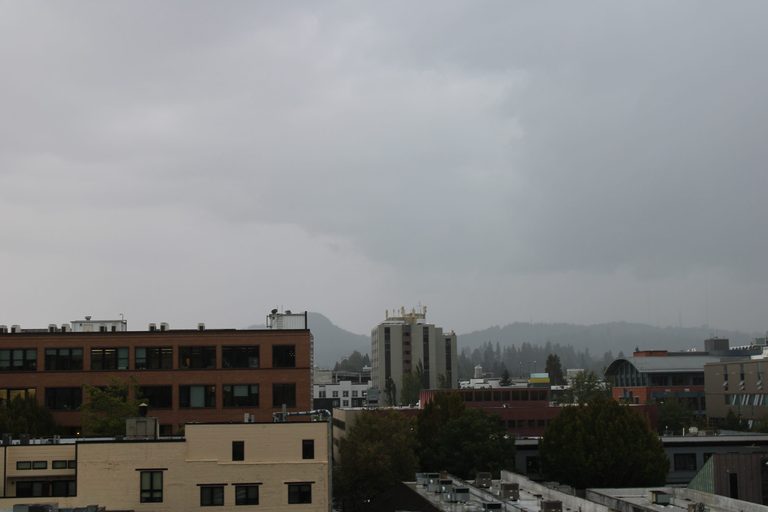
After nearly two months of bone‑dry conditions, a steady fall storm moved through Eugene and the surrounding western Oregon communities, bringing much‑needed moisture to an area that faced a historic wildfire season.
Fire season gets a breather
State climatologist Larry O’Neill said the rain soaked grasses, brush and surface soils, making it harder for new ignitions to take hold. “It’s a great way to dampen the fire season and could be the start of the end of this devastating fire season,” he explained.
Oregon’s 2026 wildfire season had already shattered modern records, with more than 2.5 million acres burned—about 4 % of the state’s land area. The biggest blaze, the Big Grass Fire, burned over 570,000 acres along the Oregon‑Idaho border, while the Rowe Creek Complex scorched more than 350,000 acres in central Oregon. Western Oregon, including Lane County, escaped the worst of the flames thanks to cooler temperatures, fewer lightning strikes and a strong marine boundary layer that moistened fuels each night.
Lane County did see a few mid‑size fires, most notably the Sand Prairie Fire that burned 80 acres south of Oakridge on Aug. 26. O’Neill cautioned that fire agencies will stay on high alert through September, warning that a late‑season heat wave or east‑wind event could still spark new fires.
Drought recovery outlook
At the start of August, Oregon was on track for the worst drought in state history. Low snowpack and record‑low streamflows strained reservoirs and threatened agricultural production. Yet O’Neill believes the recent rain, combined with a potentially historic El Niño, could help the state avoid a repeat of the severe 2015 drought.
El Niño events are typically warm and dry for Oregon, but an especially strong El Niño can bring above‑average precipitation. “All indications are that this could be one of the strongest El Niños we’ve ever seen,” O’Neill said. If enough of that moisture falls as snow, it will act as a natural reservoir, slowly feeding rivers later in the summer.
Even if snowpack remains modest, the storm’s rain has already raised reservoir levels that entered the dry season with a decent water cushion, mitigating some of the worst impacts.
Climate change and future water management
O’Neill warned that climate change is forcing Oregon to rethink water storage. “Snowpack is not going to be as reliable and that could have big consequences for our droughts going forward,” he noted, underscoring the need for new reservoir strategies.
Local officials and residents are encouraged to continue practicing fire safety through October and to conserve water as the state moves toward winter. While the recent rain offers a hopeful turn, the coming months will reveal whether the storm’s benefits translate into a resilient water supply for the coming year.
Original reporting: Homepage – Lookout Eugene-Springfield — read the source article.