The National Football League’s approach to head injuries has shifted dramatically since 2009, and the changes are now reflected in the numbers. A recent analysis by Mokaram Injury Lawyers, a Houston‑based personal‑injury firm, outlines how rule revisions, independent medical oversight and better equipment have produced verifiable reductions in high‑risk concussion incidents.
Key milestones in the last ten years
In 2009 the league introduced its first formal concussion protocol, establishing basic on‑field evaluation rules. Revisions followed in 2011 and 2013, each adding more structure to the identification and management of suspected concussions.
By the 2014‑15 season the NFL placed Unaffiliated Neurotrauma Consultants (UNCs) on the sidelines. These independent physicians operate apart from team medical staff, addressing long‑standing concerns about conflicts of interest.
Kickoff safety overhaul
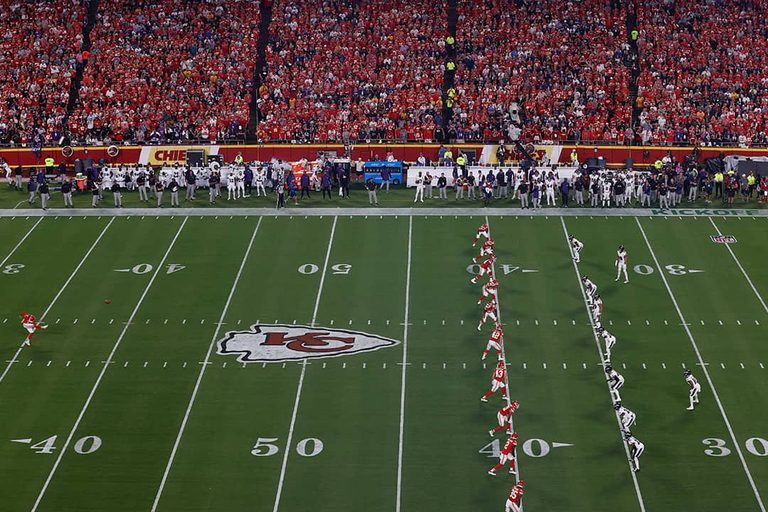
Kickoff plays have consistently generated a disproportionate share of head injuries. In response, the league unveiled the “dynamic kickoff” format in 2024. The new rule forces the kicking team to line up at the return team’s 40‑yard line and remain stationary until the ball is caught or lands, eliminating the running start that previously amplified collision speeds.
According to NFL Football Operations, the dynamic kickoff has produced a 43 % reduction in concussion rates on kickoffs compared with the 2021‑23 average. A peer‑reviewed study in the Orthopaedic Journal of Sports Medicine reported mixed results, noting a slight increase over 2023 but a decrease relative to 2022. The league’s figures, however, reflect comprehensive league‑wide data rather than kickoff‑only statistics.
Protocol refinements after high‑profile cases
The September 2022 injuries to Miami Dolphins quarterback Tua Tagovailoa accelerated protocol changes. After a hit on September 25 that was initially attributed to a back injury, Tagovailoa suffered a diagnosed concussion four days later. The NFL and NFLPA responded by replacing the vague term “gross motor instability” with “ataxia,” defined as abnormal balance, coordination or speech caused by a neurological issue. Under the revised rule, any player showing ataxia is automatically ruled out for the remainder of the game, removing previous subjectivity.
The NFLPA also dismissed the UNC who evaluated Tagovailoa during the Bills game—the first such dismissal in league history—signaling a tougher stance on independent medical accountability.
Statistical trends
The 2024 season recorded the fewest concussions since the league began systematic tracking in 2015. Pre‑season practice and game data showed just 44 concussions, the lowest total on record. NFL chief medical officer Dr. Allen Sills credited the decline to the dynamic kickoff, improved helmet technology, stricter enforcement of existing safety rules and broader cultural shifts toward player safety.
Researchers caution that enhanced detection methods can inflate reported totals, as more rigorous screening catches injuries that previously went unreported. Nonetheless, the documented record demonstrates a clear move away from the lax, subjective protocols of 2015 toward a system with independent oversight, stricter return‑to‑play criteria and better equipment standards.
What remains under debate
While the data show progress, some scholars, former players and advocacy groups argue that the pace of change may still be insufficient. Ongoing litigation, independent research linking football to chronic traumatic encephalopathy (CTE) and continued public scrutiny keep pressure on the league to refine its safety measures.
Overall, the NFL’s decade‑long evolution of concussion protocols reflects a concerted response to medical research, player advocacy and high‑profile incidents, resulting in measurable safety improvements for the sport’s athletes.
Original reporting: KTVZ (Central Oregon) — read the source article.