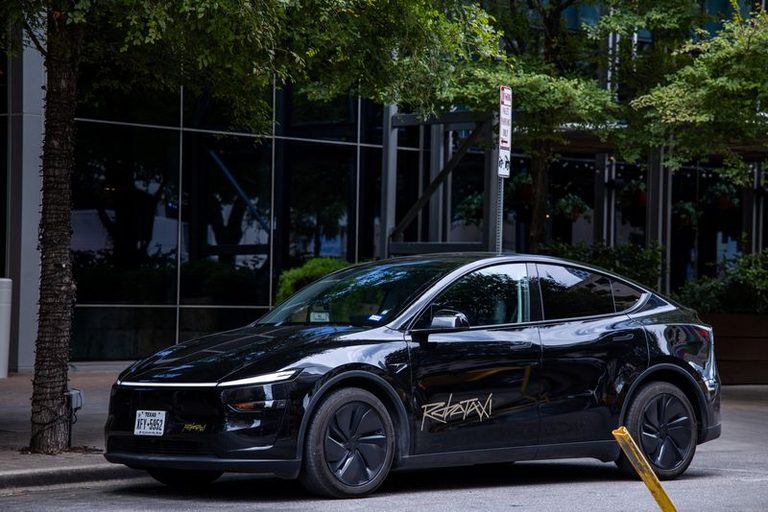
The National Highway Traffic Safety Administration (NHTSA) announced Thursday that it is actively reviewing Tesla’s newest venture – the Cybercab robotaxi – as the electric‑vehicle maker starts limited service in Austin, Texas. The agency’s spokesperson told Reuters that officials are “in contact with Tesla and are evaluating the situation,” though no further details were provided.
What is the Cybercab?
The Cybercab is a compact, two‑seat autonomous vehicle designed without a steering wheel, pedals or side mirrors – features that traditional federal safety standards normally require. Tesla markets the vehicle as a fully driverless ride‑hailing option, aiming to expand its robotaxi network beyond the company’s existing test programs.
Austin as a Test Bed
Austin was chosen for the initial rollout because of its tech‑friendly environment and supportive local officials who have welcomed innovative transportation solutions. The city’s transportation department has been monitoring the pilot closely, noting that the limited service will operate in designated zones while data on safety performance is collected.
Federal Oversight and Safety Concerns
NHTSA’s involvement reflects the agency’s mandate to ensure that any vehicle on public roads meets safety standards that protect drivers, passengers, and pedestrians. While the Cybercab’s design departs from conventional safety equipment, the regulator will assess whether the vehicle’s autonomous systems can reliably compensate for the missing controls.
Industry observers note that the evaluation could set a precedent for future autonomous‑vehicle deployments across the United States. If NHTSA finds the Cybercab compliant, it may open the door for broader adoption of driverless taxis in other cities.
What This Means for Texans
For Austin residents, the pilot offers a glimpse of a potential new transportation option that could reduce traffic congestion and provide a low‑cost alternative to traditional rideshare services. However, the community is also watching closely for any safety incidents, as the vehicle operates without a human driver to intervene.
Local business leaders have expressed optimism that the Cybercab could attract tech talent and reinforce Austin’s reputation as a hub for innovation. At the same time, consumer‑advocacy groups are urging the regulator to maintain rigorous safety standards and ensure transparency throughout the testing phase.
Looking Ahead
As the evaluation proceeds, NHTSA is expected to release findings that could influence not only Tesla’s rollout strategy but also the broader regulatory framework for autonomous vehicles nationwide. The agency’s careful review underscores the balance between encouraging technological progress and safeguarding public safety.
Stakeholders from the city, the state, and the federal government will continue to coordinate as more data becomes available. Austin’s experience may serve as a model for other municipalities considering similar autonomous‑vehicle pilots.
Original reporting: Appleton, WI News Feed (HLL/CB) — read the source article.