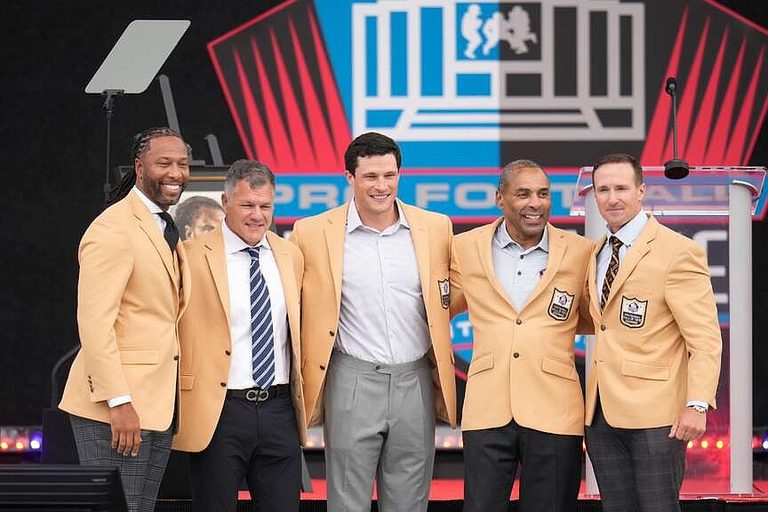
The Pro Football Hall of Fame announced a major restructuring of its selection process that will take effect for the Class of 2027. The board voted to eliminate the separate senior‑player category, reduce the voting panel from 50 members to 28, and bring back in‑person deliberations after years of virtual meetings.
Why the changes matter
Hall of Fame President Jim Porter said the revisions are rooted in the organization’s long‑standing commitment to integrity and thoughtful deliberation. “We believe these changes both augment what has worked well while addressing opportunities to further strengthen a tradition that means so much to the game and everyone who loves it,” Porter explained.
The overhaul comes after criticism of the most recent election cycle, when six‑time Super Bowl‑winning head coach Bill Belichick failed to secure enough votes for induction. By streamlining the committee and removing the senior‑player split, the Hall hopes to make the voting process clearer and more accountable.
New committee structure
The new 28‑person committee will consist of 25 voting members and three non‑voting participants who rotate each year. Previously, the panel included one representative for each of the NFL’s 32 teams. Under the new system, there will be 27 at‑large voters—including Hall of Famers such as Bill Polian, Tony Dungy, Dan Fouts and James Lofton—and a single representative from the Pro Football Writers of America.
For comparison, the Basketball Hall of Fame uses a 24‑person panel, hockey’s Hall has 18 voters, and baseball’s Hall of Fame relies on a much larger body of 425 writers.
Revised nomination and voting timeline
The selection process will still narrow the initial pool of player nominees to 50, then to 25 semifinalists, and finally to 13 finalists. One coaching candidate and one contributor will also be added to the finalist group. Players remain eligible after five years of retirement, but the former modern‑era versus senior split is gone, meaning all retirees compete together for the 13 finalist spots.
Under the new rules, modern‑era players such as Willie Anderson, Marshal Yanda and Terrell Suggs will no longer receive automatic advancement after reaching the final seven in the 2026 class. Instead, all candidates will be evaluated on the same criteria.
In‑person meetings and voting thresholds
To reduce the risk of leaks, the Hall will resume in‑person meetings held close to the NFL Honors ceremony during Super Bowl week. A neutral presenter—not a committee member—will introduce the 15 finalists at the gathering.
Voters may select up to six inductees, with an 80 % approval threshold required for each candidate. This system is expected to produce between three and seven new Hall of Famers each year, with five or six being the most likely outcomes. Recent classes have ranged from four members in 2025—the smallest in two decades—to nine inductees in earlier years.
Expanded contributor category
The Hall also broadened the definition of the contributor category to include individuals with combined playing and coaching careers, as well as off‑field contributions. This change could benefit figures like Bucko Kilroy, who spent 13 years as a player before decades as a scout and executive, and Doug Williams, the first Black quarterback to start a Super Bowl who later served in front‑office roles for Washington and Tampa Bay.
These reforms aim to preserve the Hall of Fame’s prestige while ensuring the selection process remains transparent, fair, and reflective of the sport’s evolving landscape.
Original reporting: Texarkana Gazette — read the source article.