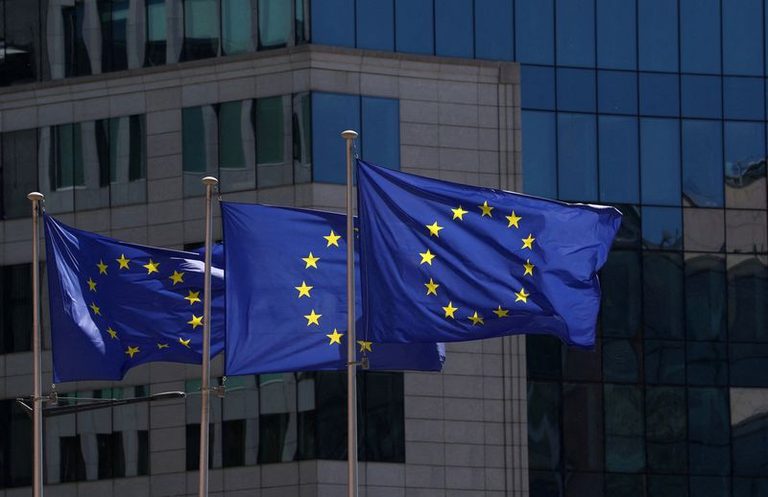
Brussels – In a move that could reshape competition enforcement across the continent, the European Commission released revised antitrust guidelines on Thursday that give companies a possible defense for market dominance if their operations are deemed sustainable. The change aims to reward firms that cut raw‑material use, lower pollution, increase recyclable product output, and build more resilient supply chains.
What the new rules entail
The updated guidance applies to Article 102 of the EU competition treaty, which targets firms holding more than a 40% market share. Under the new framework, a dominant company may argue that its practices are pro‑environmental and that any competitive advantage stems from genuine cost‑saving benefits for consumers, rather than from anti‑competitive conduct.
Commission officials said the shift reflects a broader policy goal of encouraging greener production methods while still protecting competition. “If a firm’s dominance is linked to reduced resource consumption, lower emissions, or greater use of recyclable materials, those factors will be taken into account when assessing compliance with EU competition law,” a spokesperson explained.
Industry reaction
Major tech and consumer‑goods firms, including Apple, Google and Microsoft, have previously faced hefty fines under Article 102 for abusing market power. The revised guidelines could provide a new avenue for such companies to argue that their dominant positions are justified by sustainability initiatives.
However, the changes have drawn sharp criticism from a coalition of 28 leading academics and economists, many of whom previously served as senior officials in the Commission. In an open letter addressed to Commission President Ursula von der Leyen and antitrust chief Teresa Ribera, the scholars warned that the new rules could be exploited to legitimize unfair dominance. “The guidelines introduce presumptions and analytical shortcuts that blur the line between anti‑competitive conduct and legitimate business efficiency,” the letter stated.
Potential implications
Supporters argue that the policy aligns with the EU’s Green Deal objectives, incentivizing companies to adopt greener practices without fearing automatic penalties for market power. Critics, however, fear that the language is vague enough to allow firms to mask anti‑competitive behavior behind environmental claims.
Legal experts note that the Commission will still evaluate each case on its facts, weighing consumer benefits against any restriction of competition. The revised guidelines also include tools to help companies assess whether they are dominant and, if so, in which markets, providing greater clarity for businesses navigating EU competition law.
Next steps
The European Commission plans to monitor the impact of the new guidelines closely and will issue further guidance as cases arise. Stakeholders from industry, consumer groups, and academia are expected to submit comments during the consultation period, shaping how the balance between sustainability and competition will be enforced in practice.
Original reporting: Appleton, WI News Feed (HLL/CB) — read the source article.