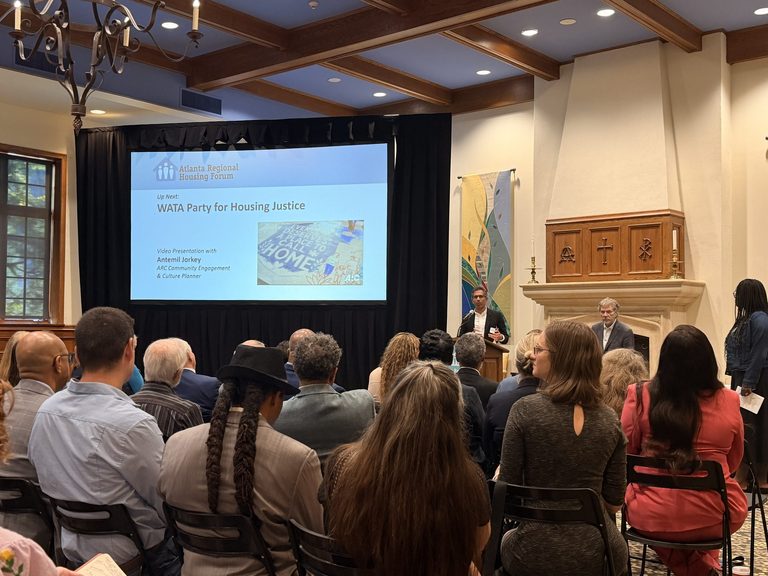
The Atlanta Regional Commission (ARC) announced a landmark regional housing strategy on September 2 at its annual Regional Housing Forum. Titled Housing Forward 2035, the plan sets out a coordinated approach for the 11‑county metro region to address a looming shortage of affordable homes.
Key data driving the plan
ARC CEO Anna Roach highlighted a stark statistic: if population growth continues at current rates, roughly 75 % of households earning less than $55,000 a year will lack a viable housing solution by 2035. The commission’s latest population report also shows growth slowing for the first time in years, with housing permits declining in many parts of the metro area, especially around Atlanta.
Three strategic goals
Housing Forward 2035 is built around three primary goals and ten supporting initiatives:
- Build strategically to keep pace with projected population growth.
- Close the affordability gap by increasing supply of low‑ and moderate‑income units.
- Activate vacant and underutilized properties to expand housing stock without sprawling new development.
ARC plans to use its convening power, research capacity, and funding assistance to help counties, local organizations, and business leaders meet these objectives.
Aligning housing with jobs and transit
One of the plan’s central challenges is the mismatch between where people live and where jobs are located. ARC data shows population growth is occurring on the perimeter of the region, while employment growth remains concentrated in the city core. As ARC Principal Planner Kristin Allin noted, “These don’t align.”
If current trends continue, the commission projects that 80 % of households will endure commutes longer than 30 minutes, while only one in three homes will be within a half‑mile of high‑capacity transit. Moreover, merely six percent of households would reside in the region’s designated “highest priority” neighborhoods.
Local collaboration and next steps
ARC’s Community Development Group Managing Director Samyukth Shenbaga emphasized the collaborative nature of the effort, saying the commission “engaged diverse stakeholders to take a regional approach to solving issues.” The strategy will be parsed over the next four board meetings, with a likely vote early next year.
Roach added, “We are supporting our communities that have created their individual housing plans, and now we’re going to elevate those strategies into a coordinated regional strategy.” By encouraging new households near emerging job centers, reducing transportation costs through transit‑adjacent development, and fostering mixed‑income neighborhoods in high‑opportunity tracts, ARC hopes to create a more livable, affordable metro area for all families.
What this means for residents
For families earning under $55,000, the plan promises more options and shorter commutes, aligning with traditional family values of stable, affordable home life. Faith‑based and community groups are expected to play a role in outreach and advocacy as the commission moves forward.
ARC will continue to monitor housing permits, affordability metrics, and transit accessibility as the strategy unfolds, providing regular updates to the public and local officials.
Original reporting: SaportaReport — read the source article.