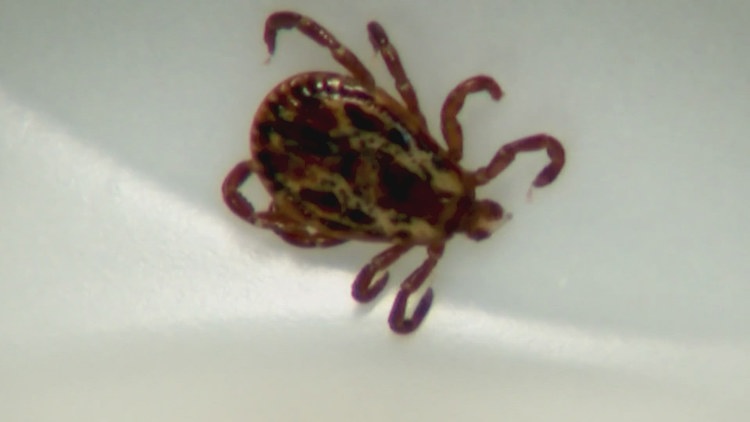
Residents of Arkansas are being reminded by health officials to take necessary precautions against tick-borne illnesses as the state experiences a rise in cases affecting both humans and animals. In Rogers, the Cat Clinic of Northwest Arkansas reports a particularly severe year for bobcat fever, a tick-borne disease that poses a significant threat to cats. The clinic has already seen 25 cases this year, with a concerning 15% fatality rate.
Human Health Concerns
While bobcat fever is specific to animals, the Arkansas Department of Health highlights several tick-borne diseases that affect humans, including Ehrlichiosis, Rocky Mountain spotted fever, Tularemia, Anaplasmosis, and Alpha-Gal Syndrome. These diseases are commonly contracted in wooded and brushy areas, especially during the warmer months.
Dr. Laura Rothfeldt, the Arkansas State Public Health Veterinarian, advises residents to monitor for symptoms following a tick bite. “It’s good to watch for a couple of weeks afterwards to think about whether or not you develop a fever or any aches and pains, headaches, muscle aches…or a rash, even,” she explained. If such symptoms appear, it is crucial to inform a healthcare provider about the potential exposure.
Prevention Tips for Families and Pets
Dr. Rothfeldt recommends several preventive measures for both individuals and their pets. These include checking for ticks after outdoor activities, avoiding tall grass and brushy areas, and using EPA-registered repellents. Additionally, spraying Permethrin on clothing and wearing light-colored, long clothing can help reduce the risk of tick bites.
For pets, Dr. Rothfeldt emphasizes the importance of year-round use of veterinary-approved tick and flea preventive products. She also notes that mosquitoes, which can carry heartworms, pose a threat to both dogs and cats, necessitating consistent preventive measures.
Proper tick removal is also essential to prevent infection. Dr. Rothfeldt advises using fine-tip tweezers to carefully pull the tick straight out from the skin without twisting or jerking, ensuring the mouthparts are removed.
Original reporting: 5NEWS / KFSM (Fort Smith) — read the source article.