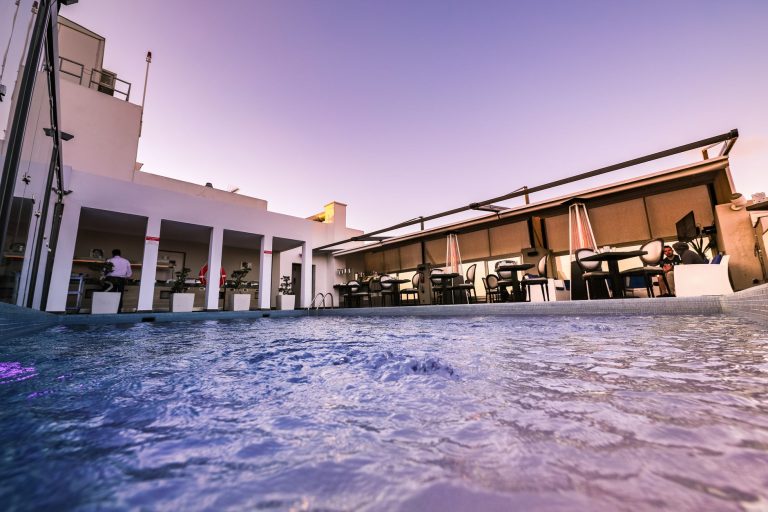
Kimpton Hotels & Restaurants has emerged as the biggest winner in YouGov’s 2026 U.S. hotel satisfaction rankings. The brand’s net satisfaction score rose to 69.7, a 6.2‑point increase that outpaced every other brand in the top 25. That gain places Kimpton in third place overall, behind Beaches Resorts (73.5) and Mandarin Oriental (70.6), and ahead of long‑standing competitors such as Ritz‑Carlton and Marriott, both at 67.3.
Why Kimpton’s Score Is Rising
According to IHG, the parent company, Kimpton’s appeal lies in its “bespoke, design‑led” approach that blends distinctive architecture with informal, personalized service. Each property is encouraged to reflect its local neighborhood through unique artwork, materials, and cultural references, while still offering brand‑wide rituals like complimentary evening social hours and pet‑friendly policies. This combination of individuality and consistency appears to resonate strongly with guests who have actually stayed at the hotels.
Local Flavor in Signature Properties
Kimpton’s portfolio showcases how the brand tailors each hotel to its city:
- Kimpton Pittman, Dallas, Texas – Housed in the historic Knights of Pythias Temple, the hotel honors the legacy of William Sidney Pittman, Texas’s first Black architect, and incorporates Deep Ellum’s music heritage into its public spaces.
- Kimpton Alton, San Francisco, California – Named for psychedelic poster artist Alton Kelley, the property mixes 1970s‑inspired furnishings with record players, DJ sets, and poetry readings that echo the city’s countercultural spirit.
- Kimpton Hotel Fontenot, New Orleans, Louisiana – Celebrates local jazz by displaying hand‑painted violins and an installation of trumpet and trombone mutes honoring legends such as King Oliver and Louis Armstrong.
- Kimpton BEM Budapest, Hungary – Designer Marcel Wanders draws on Hungarian folklore, flora and mythology, reimagining traditional motifs in a contemporary setting.
- Kimton De Witt, Amsterdam – Subtle nods to Dutch Delft tiles and 17th‑century craftsmanship create a restrained, locally rooted atmosphere.
- Kimpton St Honoré Paris, France – Retains the 1917 Art Nouveau façade of the former Samaritaine de Luxe department store, with interiors that evoke Parisian elegance through proportion and craftsmanship rather than cliché landmarks.
- Kimpton Maa‑Lai Bangkok, Thailand – The name references a traditional Thai floral garland; the hotel incorporates hand‑woven textiles and locally sourced materials to convey welcome, respect and health.
- Kimpton Da An, Taipei, Taiwan – Uses pale timber, white tiles and restrained colors to create an “inner sanctuary” that feels rooted in everyday Taipei while remaining internationally appealing.
What the Rankings Reveal
While Kimpton’s satisfaction scores have surged, the brand does not yet appear among the top 25 hotels that Americans say they would consider booking in 2026. The same is true for Beaches Resorts and Mandarin Oriental, the two brands that outrank Kimpton on satisfaction. This suggests that high satisfaction among past guests does not automatically translate into broader brand awareness among the traveling public.
YouGov’s methodology measures satisfaction among current and former customers, meaning the data reflects the experiences of those who have actually stayed at the hotels. The gap between satisfaction and consideration may simply indicate that many travelers have not yet encountered Kimpton properties, leaving room for the brand to expand its reach.
Implications for Travelers and the Industry
For families and faith‑centered travelers seeking warm, personalized service without the formality of traditional luxury chains, Kimpton’s design‑focused, pet‑friendly approach offers an appealing alternative. The brand’s emphasis on local culture aligns with a growing desire among Americans to experience destinations authentically rather than through generic, cookie‑cutter hotels.
Industry analysts note that Kimpton’s performance could encourage other hotel groups to adopt more localized design strategies, especially as competition intensifies in the upscale and boutique segments. By allowing individual properties to reflect their neighborhoods while maintaining recognizable brand rituals, hotels can foster loyalty among guests who value both consistency and a sense of place.
Looking Ahead
Kimpton’s upward trajectory in satisfaction rankings positions the brand for potential growth in brand awareness and market share. As the company continues to open new properties and refresh existing ones with locally inspired design, travelers nationwide may begin to recognize Kimpton as a go‑to option for a comfortable, community‑connected stay.
Original reporting: KTBS 3 (Shreveport) — read the source article.