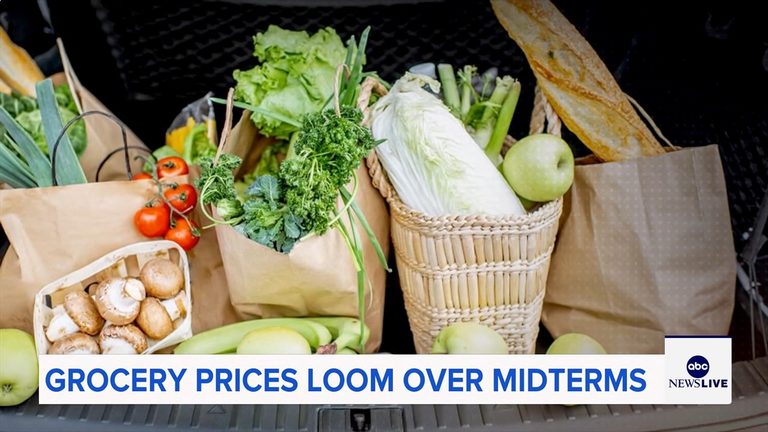
Peekskill resident Doreen Hodge stopped at a discount supermarket on Monday to compare prices, saying the climb in grocery costs has forced families to shop more carefully. “Grocery prices are high everywhere,” she told ABC News, adding that she “does what you have to do” to stretch the family budget.
Local voices echo national concerns
Shoppers in nearby West Haverstraw and Cortlandt Manor reported similar frustrations. Aaron Thevenin said he is “spending a lot of money but leaving with smaller bags,” while Lori Tetro noted that “you spend almost double what you were planning to spend.” These observations line up with data from the U.S. Bureau of Labor Statistics, which shows a 2.7% rise in grocery prices over the year ending in July – a rate three times higher than the inflation rate recorded during former President Donald Trump’s 2024 campaign stop in Bedminster, New Jersey.
Economic backdrop
Food economist David Ortega of Michigan State University explained that grocery prices have risen more than 20% over the past five years, with the steepest gains occurring between 2021 and 2022 while President Joe Biden was in office. Ortega said the current price level is “significantly higher than it was pre‑COVID” and that recent inflationary pressure is a resurgence after earlier progress in taming food costs.
Political stakes in the 17th District
The 17th Congressional District, which includes Peekskill, West Haverstraw and Cortlandt Manor, is a swing area split fairly evenly between Democrats and Republicans. Incumbent Republican Rep. Mike Lawler, who co‑authored the 2025 Lower Grocery Prices Act and the 2025 No Rigged Grocery Prices Act, is defending his seat against Democratic challenger Cait Conley.
Conley highlighted the burden on families, saying, “You’re watching families have to make trade‑offs between filling up the grocery cart and the gas tank,” positioning grocery affordability as a central campaign issue. House Speaker Mike Johnson, a Republican, echoed the sentiment, noting that President Trump remains “laser focused on bringing down the cost for everybody” and that easing tensions in the Strait of Hormuz could help lower energy‑related price pressures.
Federal response
The White House pointed to policies that have reduced prices for essentials such as prescription drugs, eggs and auto insurance, and promised further relief as global energy markets stabilize. A Trump administration statement earlier this month claimed private‑sector companies are responding to the president’s call by delivering tangible price reductions.
What this means for local families
For residents like Hodge, the headline numbers translate into everyday decisions about what ends up on the dinner table. “It’s terrible, but you do what you have to do,” she said, underscoring how grocery inflation continues to shape household budgeting across the district as voters head to the polls later this year.
Original reporting: Allentown News – 6abc Philadelphia — read the source article.