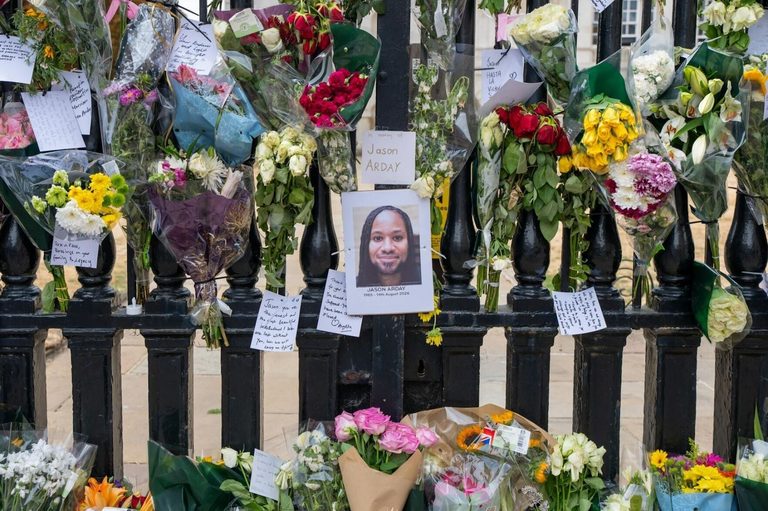
Memphis – The academic world was shocked on August 14, 2026 when Jason Arday was discovered dead at his home in London. Arday, a 38‑year‑old sociologist of education, had risen rapidly to become the youngest Black professor in Cambridge University’s long history, a milestone that drew both admiration and heightened scrutiny.
Plagiarism allegations and resignation
Just nine days before his death, Arday resigned from his faculty position amid growing criticism of inconsistencies in his forthcoming memoir and questions about the originality of his dissertation and other scholarly work. His publisher, Simon & Schuster, initially defended him, praising his “professionalism and integrity.” However, multiple plagiarism accusations persisted.
Arday denied the claims, attributing any errors to his autism and suggesting that his accusers were motivated by racism. The debate quickly expanded beyond the individual case, reflecting a broader pattern of ideological opponents using plagiarism accusations to undermine each other.
Historical context of plagiarism
Plagiarism, defined as the unacknowledged use of another’s words or ideas, has long been condemned. In ancient Rome the term meant “kidnapper,” and poets like Horace likened literary theft to a crow stealing feathers. Over centuries, attitudes shifted. During the medieval and Renaissance periods, authors such as Chaucer, Shakespeare, and Milton freely borrowed plots and language, a practice known as “imitatio.” Only gradually did societies begin to treat creative works as property, leading to modern copyright law.
Early legal actions include a 1506 case by German artist Albrecht Dürer against an Italian engraver, and the British Copyright Act of 1842, championed by authors like Charles Dickens. Today, European groups such as Germany’s VroniPlag Wiki and Russia’s Dissernet use crowdsourcing to expose plagiarism, prompting several German universities to revoke doctoral degrees from officials found to have copied.
Political weaponization of plagiarism claims
In recent years, plagiarism accusations have become a political tool. Conservative activist Christopher Rufo alleged that Harvard President Claudine Gay plagiarized, leading to her resignation in 2024. Similar claims have targeted public figures on both the left and right, from Senator Rand Paul in 2013 to Supreme Court nominee Neil Gorsuch in 2017.
Arday’s case was amplified by philosopher Nathan Cofnas, who posted a Substack analysis on July 21, 2026, claiming substantial overlap between Arday’s 2015 dissertation and a 2009 thesis. Cofnas, who has previously expressed controversial views on racial intelligence, suggested that discrediting a Black professor could also undermine the university’s diversity agenda. Ghent University, where Cofnas teaches, suspended him on August 20 pending investigation.
AI and the evolving notion of originality
The rise of generative AI adds another layer to the debate. While AI‑generated text can resemble human writing, many argue it is more akin to ghostwriting than direct copying. Nonetheless, undisclosed use of AI tools is often considered cheating, underscoring the public’s expectation of ethical scholarship.
Arday’s tragic death highlights the personal toll that intense public scrutiny can exact, especially when academic integrity becomes entangled with cultural and political battles.
Original reporting: KTBS 3 (Shreveport) — read the source article.