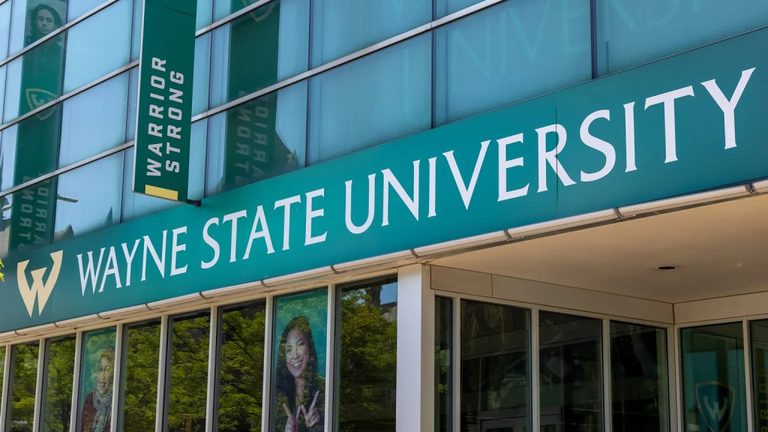
Detroit’s higher‑education community is taking a concrete step to address basic‑needs insecurity among its students. The Open Door pilot, launching this fall at Henry Ford College and Wayne State University, will provide emergency assistance for food, housing, transportation and other essential costs.
Why the program matters
State data show that 20% of Michigan college students have faced food insecurity, 44% have struggled with housing insecurity, and 47% report unmet financial needs even after financial aid. Those figures come from the Student Basic Needs Task Force, which issued a report last year recommending expanded support services.
Stories like Kijuan Dent’s illustrate the problem. Dent, a former sophomore at Michigan State University, received an unexpected $1,000 tuition bill days before the 2023 campus shooting. He turned to an emergency fund for Detroit students, which helped him stay enrolled and later graduate in 2025. He now works as a student‑success coach for the Detroit Regional Chamber.
How Open Door will operate
The pilot will embed a United Way for Southeastern Michigan staff member on each campus. That representative will connect students to existing community resources—food pantries, clothing closets, mentorship programs and crisis‑response services—ensuring students know what help is available.
Meghan Schmidbauer, senior director of the Detroit Regional Chamber’s Detroit Drives Degrees initiative, explained that colleges often lack the capacity to guide students to these resources. “Bringing the basic‑needs services that exist within the community to the students, and making sure they are aware of what exists on campus, is what we are hoping to do,” she said.
Collaboration and funding
Open Door is a partnership among the Detroit Regional Chamber, United Way, Wayne State University and Henry Ford College. It will serve students enrolled in the Detroit Promise, Detroit Reconnect and Michigan Reconnect programs, but organizers say no one will be turned away.
The effort builds on earlier initiatives, such as the Rocket Community Fund’s Detroit Area Talent Fund, which distributed $1 million in emergency aid over six months. While that fund provided short‑term relief, officials acknowledge that a more sustainable, coordinated approach is needed.
Darienne Hudson, president and CEO of United Way for Southeastern Michigan, emphasized the human impact: “Every day, we see people working to build a better future who are forced to make impossible choices between paying rent, buying groceries, finding reliable transportation, or staying in school.”
Evaluation and future growth
The Kresge Foundation has contributed a $300,000 grant to the University of Michigan Youth Policy Lab, in partnership with Wayne State’s Detroit PEER, to evaluate Open Door through 2028. The study will assess outcomes and explore scaling the model statewide.
State officials see the program as part of a broader push to raise the postsecondary credential rate to 60% by 2030. Michigan reached 51.6% in 2024, and removing basic‑needs barriers is viewed as essential to that goal.
Community leaders hope that by aligning higher‑education institutions, government agencies and nonprofit partners, Detroit students will have a clearer pathway to graduation and long‑term prosperity.
Original reporting: BridgeDetroit — read the source article.