Quick take: this roundup stitches together the latest health headlines — from an ancient Chinese movement that could help with reducing blood pressure at home to promising early results for a pancreatic cancer pill, plus new obesity therapies, sleep research on the ideal ‘sweet spot’, and surprising links between culture and longevity. It also touches on public safety and infectious disease concerns, including a cruise ship hantavirus scare and a study suggesting hantavirus risk may be higher in parts of the US. Rudy Giuliani’s disclosure of a ‘spiritual experience’ during a pneumonia-related coma gets a nod, and there’s fresh science on a so-called ‘Longevity gene’ and the benefits of museum visits for cellular aging. Read on for a compact, clear take on what these developments could mean for everyday life and health decisions.
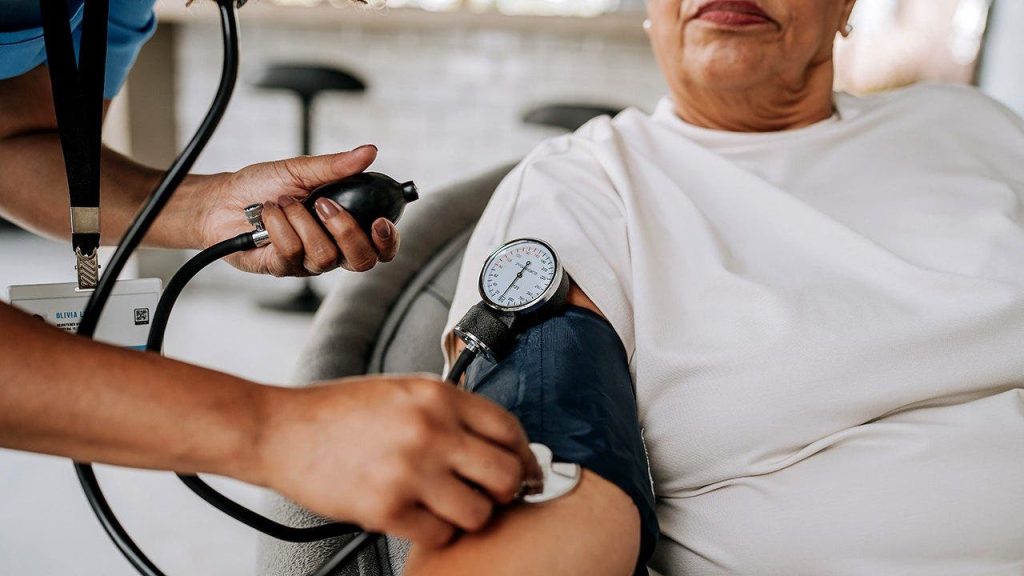
The oldest stories here start with movement. Interest in a slow, deliberate set of exercises rooted in Chinese tradition has surged because researchers are seeing measurable drops in blood pressure for people practicing them at home. These routines are low-cost, low-risk, and easy to adopt for many, making them attractive compared with more aggressive medical interventions. If you’re chasing small, steady wins for cardiovascular health, this is the kind of habit worth trying.
Sleep keeps showing up as a major player for how long we live, but the headline isn’t “more is better.” Scientists are trying to pin down a sleep ‘sweet spot’ — a duration and rhythm that seems to protect long-term health without the harms tied to too little or too much rest. The nuance matters: it’s not just hours, it’s consistency, timing, and how sleep fits into the rest of your lifestyle. Small changes to bedtime routines can yield outsized returns over years.
On the fitness front, influencers are still pointing to simple, sustainable habits as the most effective route back to shape. One widely shared tip today is less about the latest gadget and more about steady routines that fit into real lives, such as brief daily strength work and trimming mindless snacking. Those habits won’t make headlines like a dramatic transformation, but they do the heavy lifting over months. For most people, consistency beats extremes every time.
Cancer research delivered a jolt with reports of a new pancreatic cancer pill producing early results that surprised researchers. Pancreatic disease has long been stubborn and deadly, so any oral therapy that changes outcomes would be a genuine breakthrough. Early-stage findings need replication and longer follow-up, but the progress is worth tracking closely for patients and clinicians alike.
Weight-loss science is also evolving beyond calorie math to protect muscle while trimming fat. A novel obesity therapy appears to help people lose weight without the same degree of muscle loss that often follows dieting. Preserving strength as pounds come off is crucial for mobility and metabolic health, and treatments that support that balance could reshape how doctors advise patients on long-term wellness.
Not every headline is clinical: a passenger on a cruise ship says she’s being held against her will after a hantavirus scare, raising questions about communication and rights in closed settings. Separately, a study suggests hantavirus exposure risk may be higher than previously believed in parts of the United States, a reminder that zoonotic threats can be local and uneven. These stories highlight the need for clear protocols and honest information when infectious risks emerge.
Rudy Giuliani shared that he experienced a ‘spiritual experience’ while in a pneumonia-related coma, a personal account that merges health and belief. Moments like that shape how individuals process recovery and meaning after severe illness, and they often surface in conversations about patient care and emotional healing. The public response mixes empathy with curiosity, reflecting how personal narratives influence broader perceptions of medicine.
At the molecular level, researchers are chasing genetic clues to brain resilience and aging. A so-called ‘Longevity gene’ is under study for its potential role in improving DNA repair and protecting against Alzheimer’s-related damage. It’s early days, but studies connecting genetic mechanisms to neuroprotection could point to new prevention strategies rather than just treatments after symptoms appear.
Finally, a softer but intriguing finding: frequent museum visits are being linked to reduced cellular aging. Cultural engagement, social stimulation, and regular outings can all contribute to lower stress and healthier biology, according to emerging research. The takeaway is practical — mixing learning and leisure into regular life might not just enrich your mind, it could quietly help your cells.