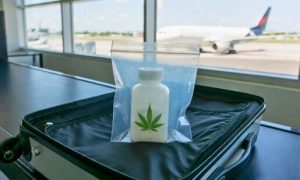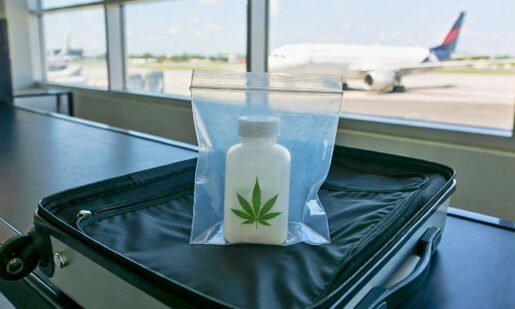
As the summer travel season approaches, the Transportation Security Administration (TSA) has quietly updated its policy regarding medical marijuana. This change is particularly relevant for Texas residents who participate in the state’s Compassionate Use Program (TCUP). The TSA now allows medical marijuana in both carry-on and checked baggage, subject to specific instructions. This update is reflected on the TSA’s official ‘What Can I Bring?’ page, last revised on April 27, 2026.
Federal and State Context
This policy shift aligns with broader federal actions under President Donald Trump, who issued an executive order in December 2025 to enhance research on medical marijuana and cannabidiol. Subsequently, the Department of Justice reclassified certain FDA-approved marijuana products and state-licensed medical marijuana to Schedule III of the Controlled Substances Act in April 2026. However, this reclassification does not legalize recreational use or allow interstate commerce of marijuana.
Texas operates a limited medical marijuana program through TCUP, which has expanded to include more qualifying conditions and dispensaries. Despite these expansions, awareness among patients and physicians remains low. Recent state legislation has imposed restrictions on smokable hemp and certain THC products, maintaining a distinct framework for TCUP participants.
Implications for Travelers
While the TSA’s update provides some clarity, Texas residents should exercise caution. Federal jurisdiction at airports means that possession of medical marijuana can still lead to referrals to law enforcement, especially when traveling to states with stricter regulations. International travel with marijuana remains prohibited, and airlines may enforce their own policies. Passengers are advised to verify the laws of their destination and consult the TSA website before traveling.
The federal reclassification to Schedule III also eases tax burdens under Section 280E for compliant programs and supports further research. However, it offers limited practical relief for Texas residents, as local enforcement can vary by airport.
Original reporting: The Dallas Express — read the source article.