Ohio is racing the calendar to find and honor Revolutionary War veterans buried across the state, and historians, cemetery managers and volunteers are racing right alongside. Krista Horrocks of the Ohio History Connection is leading the Revolutionary War Veterans Graves Project in partnership with America250-Ohio, and Green Lawn Cemetery director Randy Rogers is coordinating local efforts in Columbus. The project leans on public tips, cemetery records and a mobile tool called Survey123 to document names, dates and locations ahead of a Memorial Day deadline. Along the way the team hopes to restore markers, correct records and return attention to roughly 7,000 service members believed to rest in Ohio soil.
Historians estimate around 7,000 Revolutionary War soldiers are buried throughout Ohio because, after the war, veterans were often paid with tracts of land in the western territories. Millions of acres that are now part of Ohio were parceled out to those who fought, so many veterans moved west and settled here with their families. Those early settlers became some of the state’s first citizens, and their graves are scattered from township plots to city cemeteries. The effort to find and record them is part history hunt and part civic duty.
Krista Horrocks, the project manager, historian and cemetery preservationist with the Ohio History Connection, emphasizes that these veterans matter to the story of Ohio. “These veterans are some of our first Ohioans to come to the state,” she said, stressing both their role in the Revolution and their place in Ohio’s founding. The project pairs archival research with on-the-ground verification so that names and locations match up, not just assumptions passed down through family lore. Accurate data is the backbone of what the group hopes will become permanent recognition.
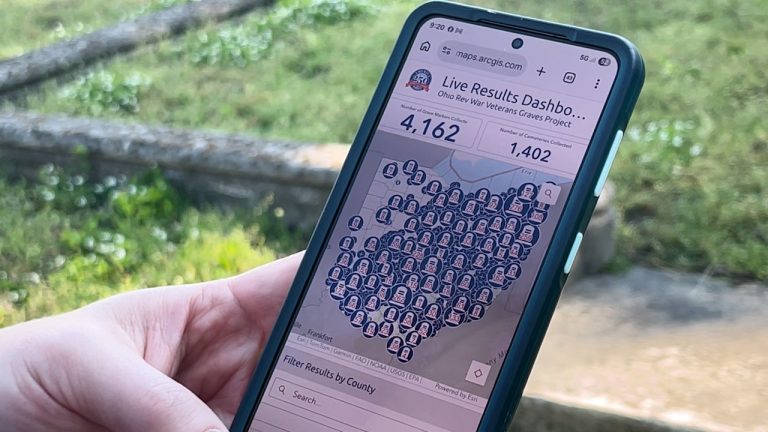
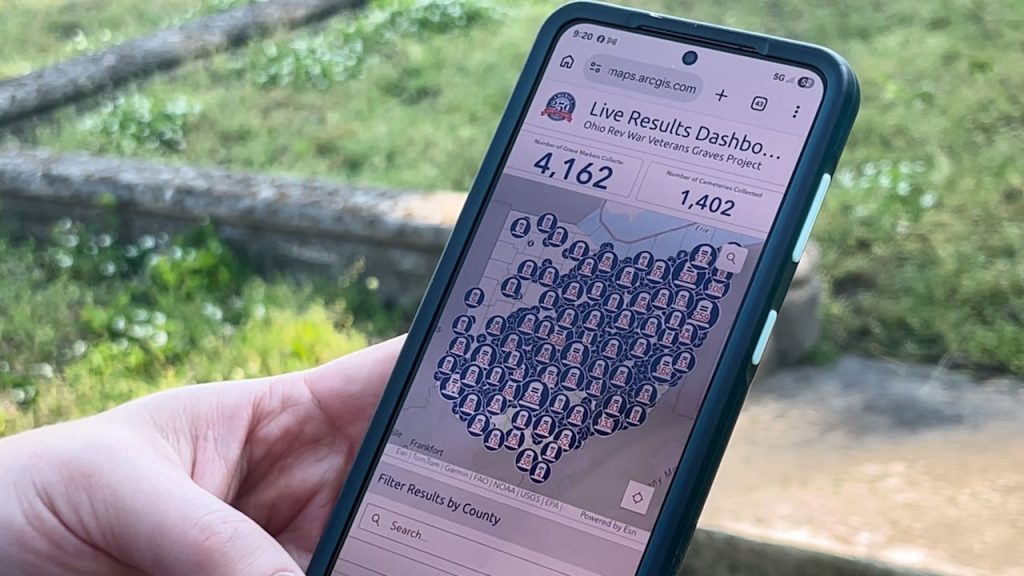
The public has already contributed a huge chunk of the work, documenting more than 4,100 soldiers across the state so far. That progress is impressive, but Horrocks admits they probably will not hit the 7,000 mark because some grave sites are lost or unmarked. To get as close as possible, the project uses Survey123, an app that lists relevant surveys and helps volunteers record cemetery details on their phones. The app asks for names, dates, photos and other key fields that turn a rumor into a documented record.
Survey123 also helps volunteers search existing cemetery lists and coordinate submissions so duplicate reporting is minimized. People can answer questions about the grave, upload images of headstones or markers, and add location information that ties the record to a specific place. That structured approach makes it easier for historians and cemetery staff to verify claims and prioritize restorations. It turns scattered information into a usable, actionable database.
Randy Rogers, Executive Director of Green Lawn Cemetery in Columbus, describes how records move as cities change. “We’ve had various lists submitted to us over the years of, ‘this may be a list of Revolutionary War veterans, or this may be a list’,” he said, pointing out that family markers can complicate things. Green Lawn, established in 1848 and one of the largest cemeteries in the state, absorbed remains and markers from older, now-closed city burial grounds. Because families sometimes moved headstones or left commemorative markers where the veteran was not actually buried, field verification becomes essential.
Rogers and his team have documented nine Revolutionary War veterans in the app so far, though he has identified thirteen names in his records, which shows how messy the work can get. “You know, families take a lot of pride in their veteran and their patriot ancestors,” Rogers said. “They may have a marker on the family lot, even though they’re buried somewhere else, and they have a headstone somewhere else, but they just have a marker here.” That practice creates duplicate or misleading places of commemoration that the project must sort through carefully.
Beyond numbers and data, the project aims to spark physical restoration where it’s needed. Horrocks hopes the final list will lead to restored or new historical markers and gravestones for veterans who have been overlooked. Bringing community groups, local cemeteries and descendants together increases the chances that stonework will be repaired and that accurate stories will be preserved. The public-facing records also give towns and families a starting point to fund or plan repairs.
Volunteers across Ohio are encouraged to look in local cemeteries, check family plots, and use available lists so undocumented graves can be added to the state’s roster. When a potential grave is found, Survey123 guides contributors through the essential details that historians need to confirm identity and service. The project’s deadline is Memorial Day, which adds urgency but also a clear timeline for communities to get involved and make discoveries. Every confirmed grave helps paint a fuller picture of Ohio’s earliest settlers and their role in the nation’s founding.
The larger hope is simple: recover what’s been forgotten and give these Revolutionary War veterans the recognition they deserve on Ohio soil. Accurate records enable restoration, historical markers and public awareness, and they invite residents to connect with the state’s earliest stories. Whether a volunteer finds a worn headstone in a township cemetery or a family marker tucked into a city lot, each verified entry brings a name back into the historical ledger.