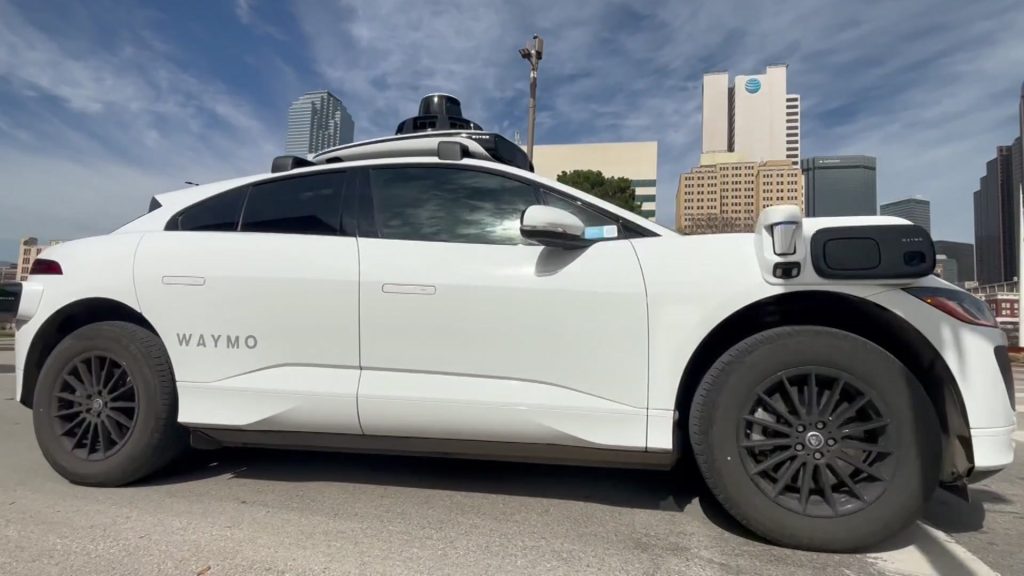
Waymo faced a glitch when one of its driverless vehicles became stranded in floodwaters, and the company moved quickly to pause services in Atlanta and parts of Texas as severe storms threatened travel. Riders in those areas woke up to canceled trips and a clear sign that extreme weather still tests autonomous systems. The pause is a protective move while Waymo and local officials monitor conditions and assess risks to vehicles and passengers.
The incident that triggered the pause involved a fully autonomous Waymo vehicle encountering standing water it could not safely navigate, leaving the vehicle immobilized until crews could reach it. When an autonomous system misreads depth or traction, the safest option can be to stop and wait, but that still creates a visible failure that worries riders. The stranded vehicle became a catalyst for precautionary action across Waymo’s regional networks.
Waymo announced service suspensions in Atlanta and in areas of Texas where storms were expected to make roads unsafe, saying the temporary pauses would reduce the chance of vehicles getting stuck or creating hazards. Those markets rely on a mix of urban and suburban routes that can flood quickly, and the company opted to pull back rather than push forward into worsening conditions. For customers, the immediate impact was canceled rides and longer waits for alternative transportation.
Autonomous vehicle sensors and software are built to detect many road hazards, but deep water presents a nasty combination of unknowns: hidden potholes, swift currents, and unreliable traction readings. Lidar, radar, and cameras can struggle to interpret reflective surfaces and water depth, and decisions about when to proceed or stop become complex. That complexity is precisely why operators sometimes choose to pause service until human teams can assess conditions safely.
The operational fallout is practical and immediate. Fleets pulled offline reduce the available pool of vehicles, leading to canceled bookings and frustrated riders who had planned trips. Waymo’s teams typically redeploy staff to assist with stranded cars, coordinate with tow services, and communicate directly with affected customers. Those on-the-ground actions take time and manpower, and each incident becomes a logistical challenge beyond the technical failure itself.
From a policy perspective, episodes like this put pressure on how regulators and cities plan for autonomous fleets during extreme weather events. Local authorities need clear lines of communication with companies so stranded vehicles don’t block emergency routes or complicate cleanup efforts. Insurers and municipal planners are watching to see whether operating rules or geofenced restrictions during storms should become standard practice.
Waymo, a unit of Alphabet, has built a long record of carefully staged deployments and public demonstrations, but weather still shows where theory meets reality. No system is immune to physical limits, and even the most sophisticated software must yield to forces like floodwaters. That reality doesn’t negate progress, but it does remind operators and the public that incremental risk management remains essential.
Design-wise, companies will likely redouble efforts on real-time weather integration, better water-detection logic, and clearer fallback plans that move vehicles to safe holding zones rather than leaving them stranded in place. Human supervisors who can take remote control or reroute vehicles remain part of the immediate toolbox, as do stricter geofencing where flooding risk is known. Those tweaks won’t eliminate every problem, but they can reduce the number of times a vehicle ends up stuck in a dangerous spot.
For now, riders in Atlanta and affected parts of Texas should expect intermittent pauses when storms threaten roads, and transportation planners will be parsing these incidents for lessons. Waymo’s decision to pause service is a pragmatic step to keep people safe while engineers and crews respond to the aftermath. The company and local partners will watch weather patterns closely and only bring services back online when conditions make it sensible and safe to do so.