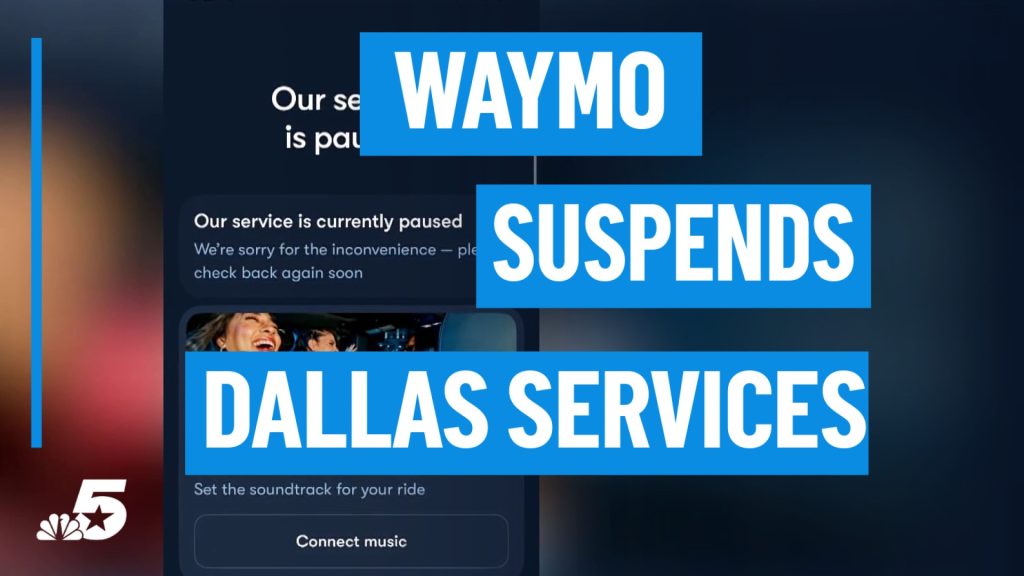
Alphabet’s Waymo paused its robotaxi operations in Dallas while the company updates software that handles tricky situations like construction zones and flooded roads, and the move comes amid a separate nationwide freeway pause and a similar pause in Atlanta. The pause puts Waymo back in the headlines alongside competitors such as Tesla and Amazon’s Zoox, and it raises fresh questions about how quickly autonomous fleets can adapt to messy, real-world driving. Local riders and city officials in Dallas are watching for how long the halt will last and what it means for the safety and reliability of driverless services in urban environments.
Waymo framed the move as a temporary operational pause, but the timing is notable. The company has been expanding its footprint for years and now faces not only regulatory scrutiny but also fierce competition from the likes of Tesla and Amazon’s Zoox. Halting service in a major metro like Dallas is a reminder that even advanced fleets can struggle when software needs tuning to cope with construction cones, unexpected detours, or weather disruptions.
People who have relied on Waymo in Dallas may feel frustrated and a little nervous about when service will resume. For many riders, robotaxi options have become a part of daily routine rather than a novelty, so pauses like this ripple through commutes and local transportation networks. City transit planners and private operators will be watching to see if Waymo’s engineers can patch systems quickly without introducing new problems elsewhere.
The company reportedly is working on software updates to better handle construction sites and flooded streets, two scenarios that are notoriously challenging for autonomous systems. Construction brings temporary lane changes, workers, and signage that machines do not always interpret the same way human drivers do. Flooding adds a chaotic element, with water hiding lane markings and creating conditions that sensors and decision logic must assess in real time.
Waymo’s brief statement included the line “We have temporarily…” which leaves room for a range of explanations and follow-up details. That incomplete sentence lands oddly in public messaging, coming off as cautious but also vague, and it has prompted local reporters and safety advocates to ask for more specifics. Transparency will matter here: Dallas residents deserve clear timelines and outlines of what improvements are being implemented before vehicles return to the streets.
Across the country, the company’s freeway operations had also been suspended, raising the possibility that the Dallas halt is connected to broader software changes. Freeways present their own edge cases, like high-speed merges, complex ramp geometries, and variable traffic flow that can push an autonomous system into rare or untested states. If Waymo is standardizing fixes that affect both freeway and city behavior, a few more weeks of reduced service might be what the engineers need to stabilize performance.
Competition is heating up. Tesla has long touted its own autopilot and full self-driving ambitions, while Amazon’s Zoox is building out electric, purpose-built robotaxis aimed at dense urban areas. For Waymo, a service pause lets rivals claim the high ground in reliability or availability, especially if those competitors can keep cars on the road without similar disruptions. On the other hand, a careful pause that prevents accidents could pay off in trust and regulation down the line.
Local officials in Dallas might pressure Waymo for a restoration plan that includes better communication and contingency options for riders. When a private transit provider suddenly pauses, the public expects to know how many vehicles are affected, what safety checks were performed, and how the company will prevent recurring issues. That kind of detail helps city leaders decide whether to ease restrictions, demand audits, or require more frequent reporting.
Even as engineers tackle software edge cases, the technical work is only part of the public story. Riders, dispatchers, and city partners all need to understand what the updates mean for daily operations. For example, if Waymo restricts service to certain neighborhoods initially or reroutes around flood-prone corridors, those decisions will have immediate effects on people who rely on these vehicles for work, doctor visits, or other essential trips.
What happens next depends on tests and data. Waymo will need to demonstrate that the updates actually improve behavior in construction zones and wet conditions without compromising highway performance. Regulators and the public will be watching closely as Dallas becomes a case study in how autonomous fleets manage growing pains while trying to scale safely and reliably in real cities.