Caitlin Clark and the Indiana Fever have become impossible to ignore, and this piece follows the fallout from a strange promotional decision by the WNBA, the Fanatics retail data showing Clark near the top of national jersey sales, the social-media backlash after a Fever-Storm promo omitted her, and the on-court answer Clark provided in Seattle with a 21-point, 10-assist double-double.
Fanatics’ retail numbers make a clear point: Caitlin Clark is a major commercial force in basketball right now. The data places her behind only Stephen Curry in jersey sales nationwide and ahead of household names like LeBron James, Luka Dončić and Victor Wembanyama. For a 24-year-old in her third WNBA season, that level of demand is rare and hard to ignore.
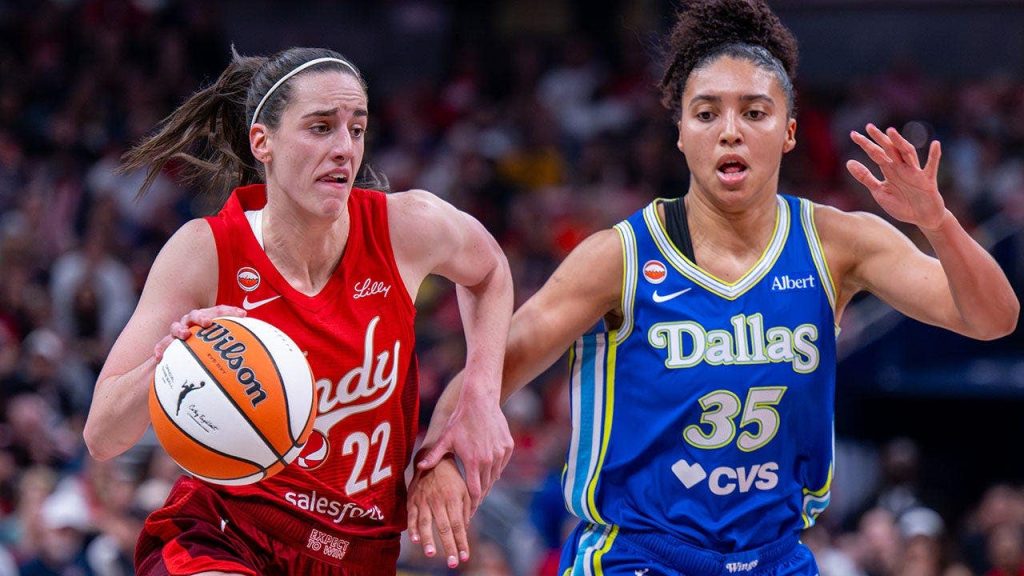
That marketplace reality clashed with a confounding marketing choice from the league. Before a Fever-Storm matchup, the WNBA published a promo image highlighting Zia Cooke and rookie guard Raven Johnson, but it left Clark off the graphic entirely. Fans reacted quickly and loudly, calling out the mismatch between what the product’s audience wants and what the marketing pushed out.
Games and ticket sales reflected where real interest lives. Fever matchups with Clark on the roster have grown into national events, turning arenas into primetime stops on the schedule and pushing up resale and merchandise figures. The surge in attention has translated into a reported 1,000% spike in league merchandise sales overall, with Clark a central driver of that jump.
The league’s social feed choice felt especially odd given what happened on the court shortly after the promo appeared. Clark answered criticism in the way superstars tend to: by producing. In Seattle she finished with a 21-point, 10-assist double-double and helped the Fever claim an 89-78 victory, while the player featured on the promo, Raven Johnson, had a quiet night off the bench.
Observers compared the promo misstep to classic sports marketing logic, noting how leagues historically build around their clearest attractions. “Was Michael Jordan ever not the lead graphic on any Bulls game when he was a member of the team?” one commentator asked. “You can say this is a small thing, but I would guarantee you Bill Cartwright, Luc Longley & Bill Wennington never got the promo graphic over Jordan.”
That line of thinking points to a simple rule: when an athlete is the primary reason people show up and tune in, the business sense is to showcase that athlete. Clark’s popularity is not just local buzz—her jersey ranks second in national sales, and she’s reshaping how some broadcasters and networks approach WNBA scheduling. That kind of pull changes conversations about exposure and revenue.
Some WNBA officials and social-media managers may be trying to balance spotlighting different players, and those intentions are understandable. Still, the marketplace response is decisive. Fans are voting with their wallets, and the sales figures place Clark among the few athletes who can move significant merchandising volume across basketball as a whole.
There’s another angle worth noting: the optics of omission. When a league appears to downplay its most bankable star, it creates a perception problem that reverberates beyond one graphic. Viewers and casual fans judge what they see, and consistent underrepresentation can look like tone-deafness at best and mismanagement at worst.
On the other side of the ledger, the rapid rise in Clark’s profile has tangible benefits for the WNBA as a whole. Higher viewership for Fever games, record-setting ticket demand in some markets, and spikes in jersey sales increase bargaining power with broadcasters and sponsors. In short, a single player drawing national interest can lift the sport’s revenue potential.
That dynamic makes the league’s promotional decisions especially consequential. If the goal is growth and wider awareness, putting the most visible, market-moving player front and center is a straightforward lever to pull. Fans want the obvious headliner, and the data on shoe leather—ticket sales and retail transactions—backs that up.
For teams and the league, the lesson is practical: align marketing with where demand is strongest and let performance inform visibility. Until another figure consistently outsells the biggest names in pro basketball, soft-pedaling a player who is reshaping the sport’s footprint nationwide looks like a missed opportunity. The Fever, Clark, and their rising commercial profile have created a high-stakes test of how the WNBA chooses to market its future stars.
Send us your thoughts: [email protected] / Follow along on X: @alejandroaveela