U.S. oil producers are increasingly turning to artificial intelligence to tackle one of the industry’s messiest problems: produced water and other wastewater from drilling and extraction. Companies around the country are using machine learning to improve treatment, cut costs, and find secondary uses for that water, with operators from major basins testing new workflows and vendors offering turnkey analytics. This article looks at how AI is being applied, what producers are learning, and the practical tradeoffs that matter to operators and regulators.
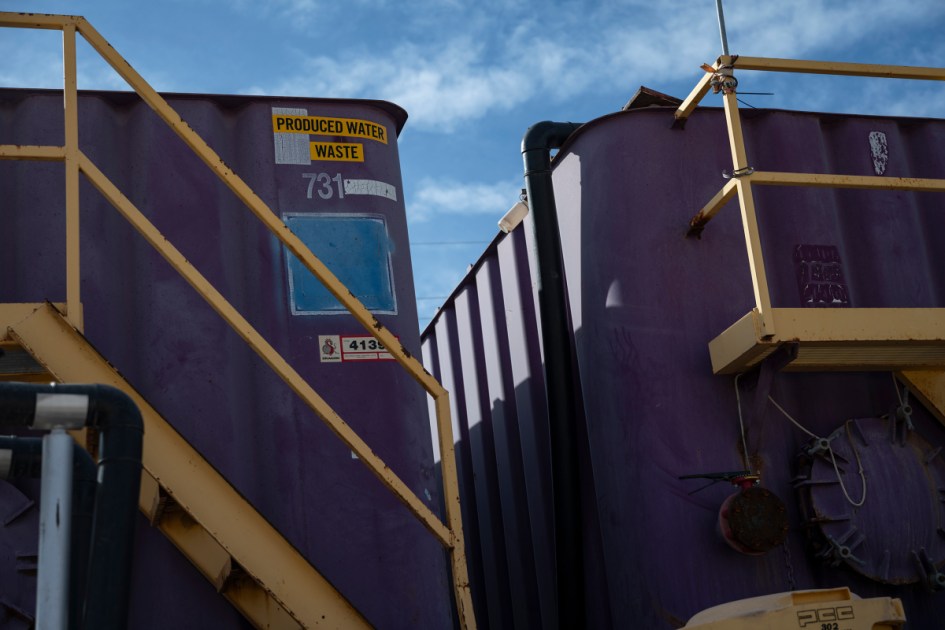
The oil patch generates vast volumes of produced water, a mix of brine, chemicals, and hydrocarbons that used to be a pure disposal headache. Now, advanced models ingest sensor streams from separators, tanks, and treatment skids to predict quality trends and optimize treatment setpoints in real time. That kind of prediction helps plants run fewer manual adjustments, lowers chemical waste, and reduces downtime from fouling and equipment failure.
Operators are using AI for more than control loops. Predictive maintenance models flag pumps and filters that are likely to fail before they do, and supervised learning can classify contamination events so crews respond faster and with the right tools. Those gains translate into real dollars: less lost production, smaller repair bills, and fewer emergency trucking runs to move water offsite.
Another growth area is blending and reuse. Machine learning can recommend how to blend different water streams to meet reuse targets, whether for enhanced oil recovery, rig operations, or crop irrigation where rules allow. By treating produced water as a resource instead of pure waste, companies reduce disposal volumes and conserve fresh water in arid regions without relying solely on expensive desalination hardware.
Data challenges are the main friction point. Field sensors are noisy, intermittent, and often from different vendors, so preprocessing and normalization take work. Firms building AI pipelines often spend more time on data wrangling than on model tuning, which is why some service providers now sell prebuilt ingestion stacks and domain-specific feature sets to get operators past the initial hang-up faster.
Regulation and public scrutiny shape what AI can do. Real-time monitoring that flags leaks or rising contaminant levels helps operators meet reporting requirements and can reduce community tensions when regulators or neighbors demand transparency. But models that recommend reuse for sensitive applications must be validated and audited, and operators still need to demonstrate compliance through lab tests and certified sampling programs.
Cost matters too. Not every field or operator can afford a full AI program, so companies are tailoring offerings to different scales: lightweight analytics that run at the edge, subscription models for cloud-based insights, and hybrid approaches that combine human expertise with automated recommendations. Producers are pragmatic—if the tool cuts disposal costs or keeps a pump online, it gets traction fast; if it asks for major capital investment with uncertain payback, adoption stalls.
Vendors and in-house teams are finding creative secondary uses for the same data: optimizing chemical dosing, scheduling tank swaps to minimize trucking, and feeding forecasts into portfolio-level water logistics. Those use cases stack—one insight enables another—so a single digital investment can unlock several operational improvements. The result is a slowly shifting industry mindset: wastewater is costly but also informative, and AI turns that information into operational leverage.