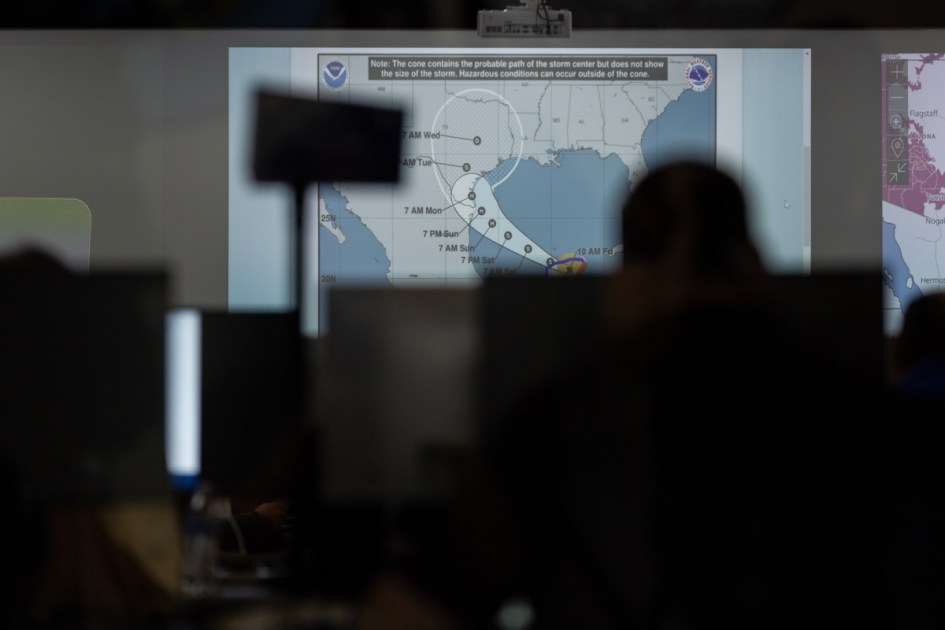
Scientists and forecasters are now flagging a strong El Niño that looks set to emerge and strengthen through the 2026 hurricane season, with agencies like NOAA and the National Hurricane Center keeping close watch on how it will shape storm odds across the Atlantic. That weather pattern tends to crank up upper-level wind shear, which can interfere with tropical cyclone formation and lower overall storm counts, though landfall risk for any single community can still be real. This analysis describes how El Niño typically alters Atlantic risks, what it could mean for coasts from the Southeast to the Caribbean, and why preparedness still matters this season.
El Niño is a natural warming of the central and eastern tropical Pacific Ocean that reshapes weather worldwide, and in the Atlantic basin it usually means stronger upper-level winds. Those winds, called vertical wind shear, tear apart nascent storms and make it harder for tropical systems to organize into powerful hurricanes. So even if the total number of named storms dips, the ones that do form can still threaten life and property.
The expectation of a strong El Niño for 2026 has forecasters lowering baseline seasonal storm counts compared to neutral years, but they emphasize uncertainty in exact outcomes. Seasonal forecasts are probabilistic by nature: they give a picture of average odds, not a guarantee for any single coastline. That nuance matters because communities may feel safer with fewer predicted storms, yet a single major hurricane can still produce catastrophic impacts if it tracks toward populated areas.
Regional effects vary. The Caribbean and the U.S. Gulf and Southeast coasts often see fewer storms with a strong El Niño, but the western Atlantic and parts of the East Coast remain vulnerable depending on steering currents. Even suppressed seasons can produce busy windows of activity driven by localized conditions and tropical waves off Africa. So emergency managers and residents should not equate a lower seasonal tally with zero risk.
Climate change overlays long-term warming on the El Niño cycle and nudges storm behavior in ways researchers are still quantifying. Warmer sea surface temperatures raise the energy available to storms, which can boost rainfall rates and intensify wind when conditions allow a hurricane to strengthen. At the same time, stronger wind shear in El Niño years can counteract that fueling, creating a complicated mix that forecasters must balance when projecting impacts.
Insurance firms, ports, and coastal planners watch these signals closely because even a quieter season can produce expensive outliers. Reduced storm frequency may relieve some short-term pressure on claims and logistics, but a single strike on a densely populated area or critical infrastructure can be costly. Businesses and municipal planners should use forecasts to tweak preparedness, not to delay it.
Public messaging will be key this season: officials should remind people that personal readiness does not hinge on seasonal totals. Homeowners can check insurance, secure property, and update evacuation plans, while communities should revisit shelter and power restoration strategies. Simple steps taken before storms form make recovery faster and less chaotic if one slips through the broader El Niño suppression.
Forecasting tools have improved, including better ocean observations, satellites, and computer models that blend climate-scale and day-to-day predictions. Those improvements give earlier heads-up about El Niño development and its likely effects on the Atlantic, but they cannot produce perfect timing for individual storms weeks or months out. That reality leaves room for vigilance: preparation remains the safest response to any forecast.
In short, a strong El Niño arriving during the 2026 hurricane season leans toward fewer tropical storms overall, but it does not eliminate risk to places like the Caribbean, the Gulf, or the East Coast. Expect lower average counts, but plan for the possibility that a single organized storm could still bring severe wind, storm surge, and flooding. Staying informed, keeping supplies ready, and maintaining local emergency plans are the practical steps that matter all season long.