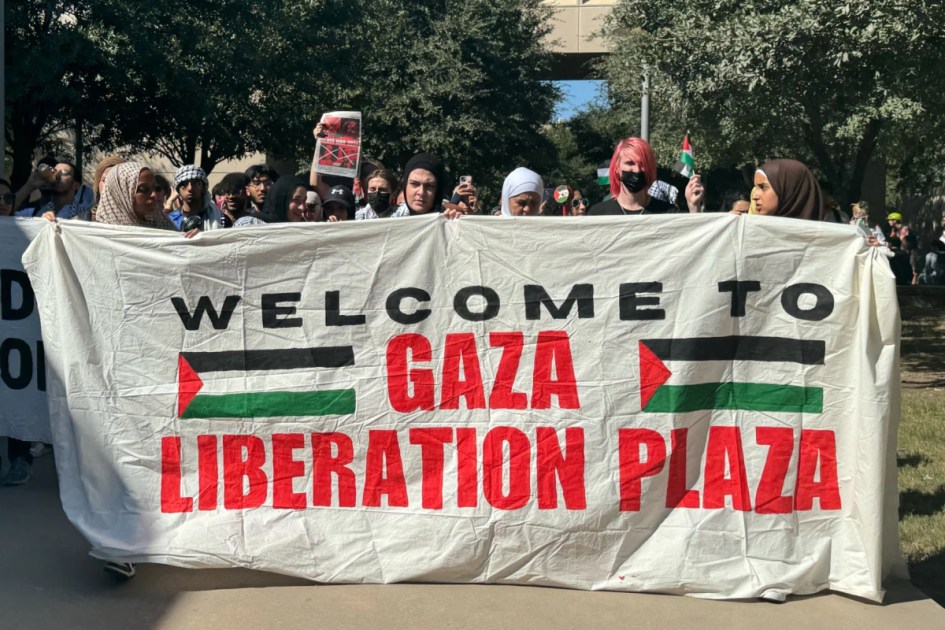
The University of Texas at Dallas in Richardson, Texas is facing a lawsuit that accuses its campus police officers of using excessive force while arresting students last year. The case has drawn attention on campus and among legal observers, raising questions about how college police handle student encounters and what accountability looks like when force is alleged. This article breaks down the key issues, what the lawsuit claims, and what to watch next in Richardson and beyond.
The core allegation is straightforward: the lawsuit accuses University of Texas at Dallas police officers of using excessive force while arresting students last year. Those are strong words with legal weight, and the complaint will need to show specific acts and injuries to move forward. In civil litigation, plaintiffs must link the officers’ conduct to violations of rights or duties to persuade a judge or jury to rule in their favor.
Campus police departments like the one at UT Dallas are tasked with keeping students and staff safe while balancing the unique culture of an academic environment. When force is part of an arrest, the incident gets judged against training, policies, and the circumstances at the scene. That makes details such as officers’ statements, witness testimony, and any available video critical to understanding what happened.
The lawsuit will likely press for evidence: incident reports, body-camera footage if it exists, medical records, and statements from students and officers. Each piece of evidence can shift the story. Plaintiffs often seek not only monetary damages but also institutional changes, such as policy revisions or retraining, to prevent similar incidents in the future.
For students and campus life, these allegations have an immediate effect. Even unresolved claims can create mistrust between young people and the campus safety force meant to protect them. That tension can influence everything from turnout at events to students reporting crimes or cooperating in investigations, and it can push campus leaders to respond quickly to restore confidence.
Legally, the case will touch on familiar concepts: whether force was reasonable under the circumstances and whether officers enjoyed any legal protections like qualified immunity. Courts evaluate use of force by looking at what an objectively reasonable officer would have done on that scene, not with the benefit of hindsight. That standard makes context crucial and can be the linchpin for both sides in a lawsuit.
Beyond the courtroom, universities increasingly face scrutiny over how their police forces interact with the communities they serve. This is part of a broader national conversation about policing practices, de-escalation training, and transparency. In Richardson, UT Dallas leadership will be watching public sentiment, student leaders, and trustees as they consider administrative responses.
Practical next steps to follow include any court filings, motions, or scheduling orders that set the timetable for the case, along with requests for discovery that could unlock internal documents. If body-camera footage or other recordings exist, their release—or legal battles over them—will be decisive moments. Public statements from the university or its police department, if offered, will also shape perceptions even as the legal process proceeds.
Whatever the outcome in court, this complaint has already forced questions about training, oversight, and campus safety culture at UT Dallas. For people paying attention in Richardson and in higher education more broadly, the case is a test of how institutions balance safety, student rights, and accountability. The legal process will play out step by step, and each filing, hearing, and piece of evidence will help clarify what actually happened during those arrests last year.