For the first time since 2016, national debates and flashpoint issues are largely taking a back seat in New Mexico’s elections. Voters and candidates are concentrating more on immediate, state-level concerns that affect daily life across communities.
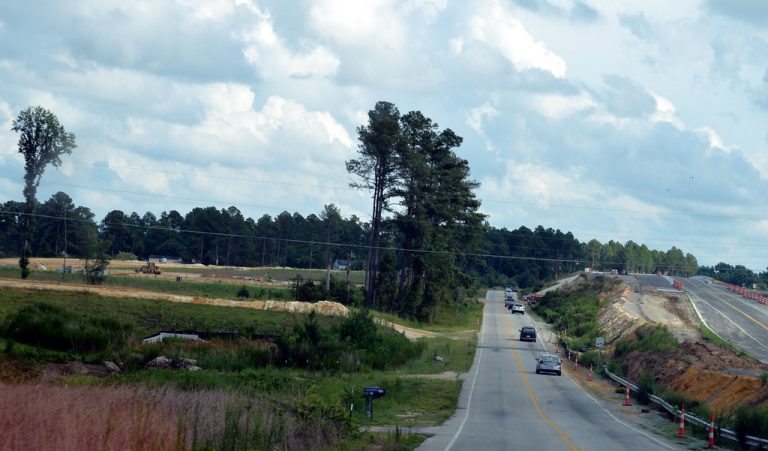
Campaigns this cycle are emphasizing local priorities: water management and drought response, education funding and teacher pay, access to health care, rural broadband expansion, road and infrastructure repair, and the transition of energy-sector jobs. These are the issues residents say they feel directly in their wallets and their communities, and candidates are tailoring messages to address those tangible needs.
The tone of races has shifted accordingly. Instead of appeals framed around national party battles or broad ideological fights, many candidates are holding town halls, highlighting municipal accomplishments, and laying out specific policy plans for state agencies. Endorsements from local leaders, unions, school boards and tribal governments carry noticeable weight in conversations where practical solutions matter more than national soundbites.
That local focus changes how campaigns are run. Ad buys, outreach and voter persuasion increasingly target neighborhood-level concerns and turnout among constituencies affected by state policy—seniors, farm and ranch communities, teachers, and workers in energy and service industries. Money and attention that might have gone to nationalized messaging are being redirected to organizing on the ground.
Still, national developments can’t be erased entirely. Federal court decisions, immigration policy and the broader economy occasionally filter into debates, and some voters are influenced by national party identities. But in many key contests across New Mexico, the decisive questions look more like: who can manage state budgets, secure water for farmers and towns, and keep basic services running effectively?
As the campaign season continues, watch how candidates translate local promises into concrete plans and how voters respond at the ballot box. Success this year may depend less on national headlines and more on proving competence and delivering results where people live and work.