I’ll explain why Dayton, Ohio has become a focal point in the debate over automated license plate readers, what privacy advocates are warning about, how these surveillance systems operate, and practical steps communities can take to balance public safety with civil liberties. The article highlights Dayton and the role privacy rights groups and local law enforcement play in the discussion. Expect clear examples, policy options, and the exact language privacy groups have used to describe the situation in Dayton.
Automated license plate readers, or ALPRs, are cameras and software that capture license plates and log location and time data as vehicles pass. Police departments and private companies use them to build searchable databases that can trace a car’s movement over hours, days, or years. That capability promises faster investigations, but it also creates a long-term record of where people go that can be used far beyond its original purpose.
Privacy rights groups pointing to Dayton argue these tools can slip from public-safety shortcuts into broad surveillance networks without robust rules. Concerns include the lack of transparency about who can access the data, how long it is stored, and whether private firms are sharing information with other agencies. Those gaps turn a familiar street camera into a persistent tracker of everyday life, raising civil liberties alarms from community advocates.
Technical issues add fuel to the debate because ALPRs are not perfect. Cameras can misread plates, software can misclassify vehicles, and automated alerts can push officers to act on flawed matches. In practice that means innocent people can be pulled into investigations or stopped, and errors can ripple through databases if there are no policies for correction or deletion. Accuracy and accountability are twin problems that need to be addressed together.
Data retention policies are another flashpoint. Some agencies hold plate reads for only a few days, while others keep them for years or indefinitely, building vast historical logs. Long retention turns operational tools into surveillance archives, useful not just for one case but for pattern searches that touch anyone who ever passed a camera. Privacy advocates argue that purpose-limited, short-term storage is the minimum requirement to prevent mission creep.
Regulatory fixes are straightforward in concept but trickier in execution. Communities can require public reporting about fleet locations and camera placements, set strict retention limits, and ban sharing with third parties except under court order. Independent audits and clear redress processes for false matches also help ensure mistakes are corrected and accountability exists. Those measures force a tradeoff between operational convenience and civic oversight.
Contract provisions matter when private vendors are involved because companies can be a data source and a gatekeeper. Municipalities should insist on contract language that prohibits resale of data, limits secondary uses, and requires prompt deletion of records once retention windows expire. Clauses that demand transparency about algorithms and automatic alerts help residents understand how decisions are made and who benefits from the data.
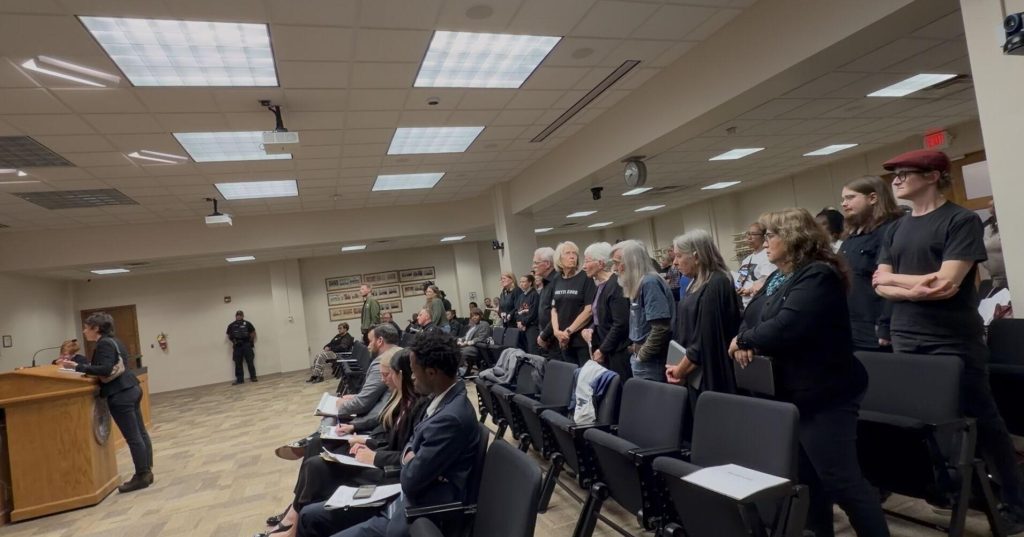
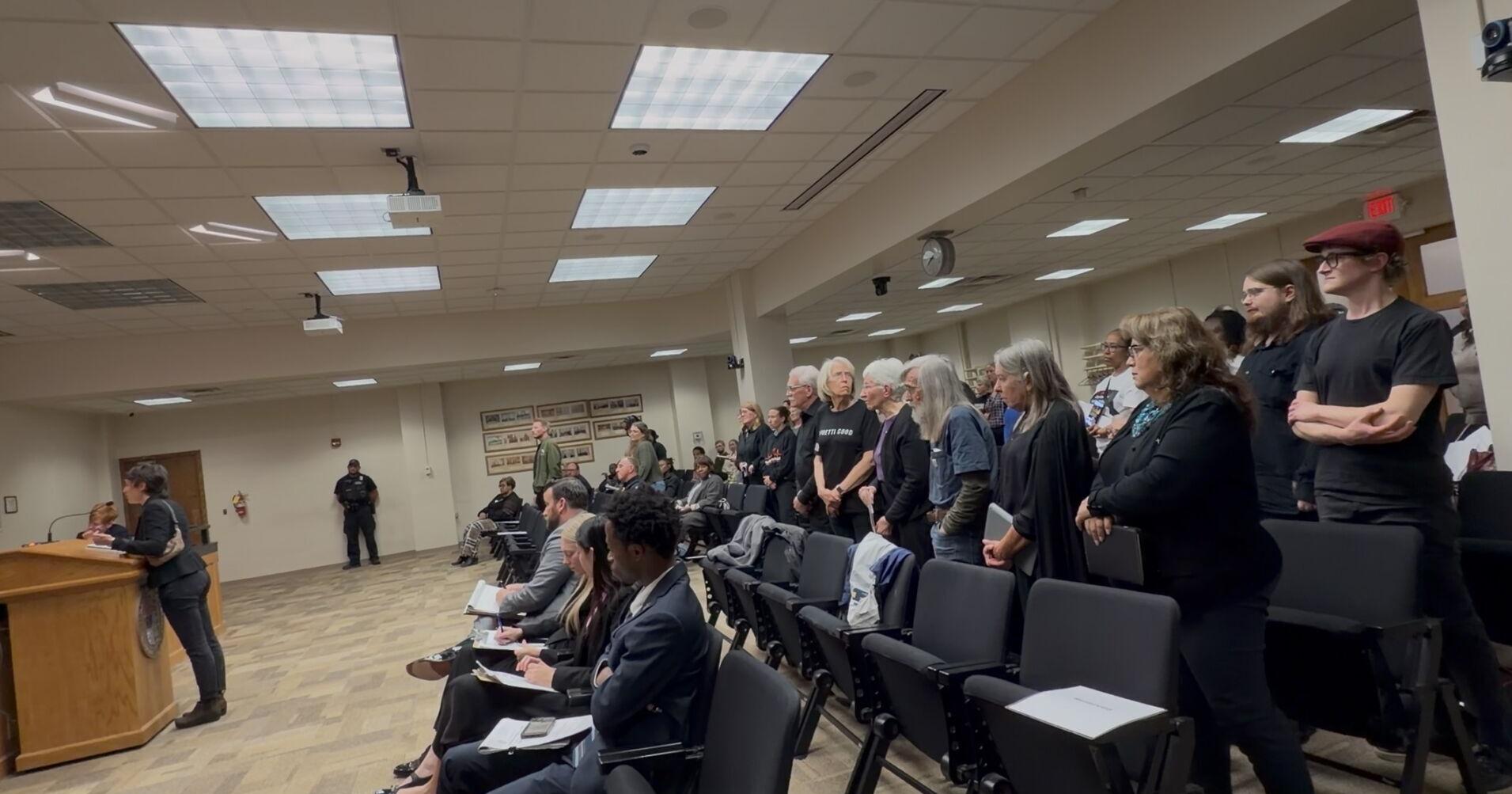
Public input is essential but often sidelined, so communities should demand meaningful community review before deployment. City council hearings, neighborhood briefings, and citizen oversight boards can catch problems early and set local standards that reflect public values. When Dayton has been called “exhibit A,” that should prompt more than a policy memo — it should spark community conversations about acceptable limits on surveillance.
The debate over ALPRs is a test of how cities balance modern investigative tools with basic privacy. Dayton’s example shows why people worry that without rules, a practical device can become an expansive dragnet. Local governments can tighten rules without crippling law enforcement, but that requires clear policies, open records, and enforceable contractual protections that prioritize residents’ rights alongside public safety.