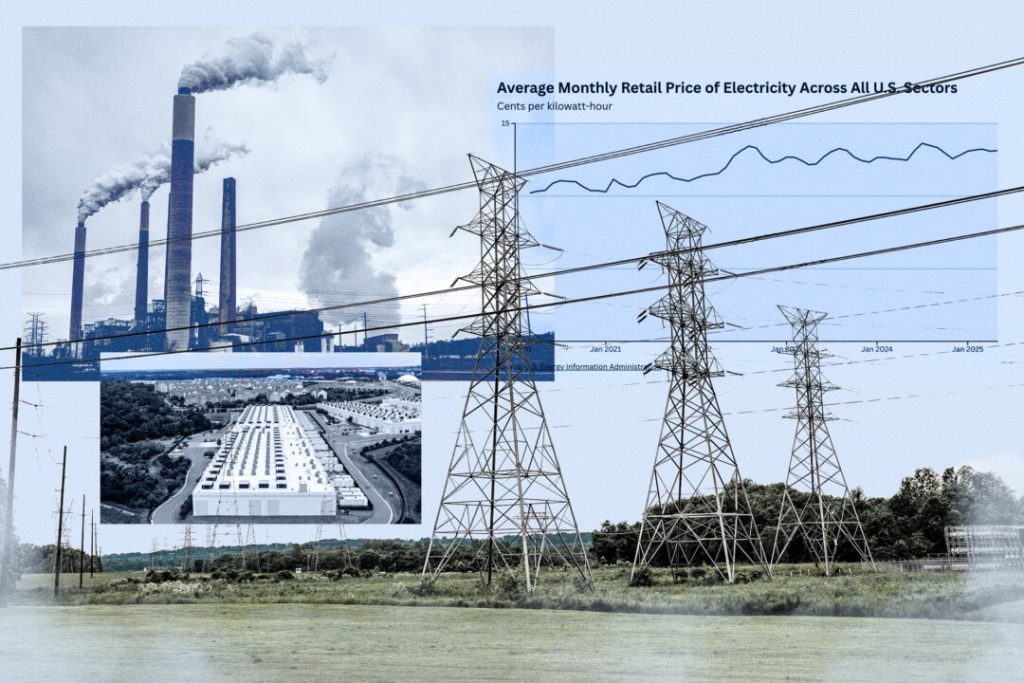
Americans are shouldering higher electric bills as utilities and grid operators across the United States push through long overdue upgrades and expansions; this piece looks at why those costs are rising, who’s paying for what, and how the strain shows up from California to the Mid-Atlantic. It names the players—utilities, regional transmission organizations like PJM, state regulators—and points out the drivers: aging infrastructure, extreme weather, renewable integration, and the financing choices that pass costs to households and businesses. Expect clear-eyed explanations and concrete examples of where the money is going and why customers are frustrated. The focus stays national, because these trends repeat in multiple regions even as local details vary.
Household power bills have climbed for a simple reason: the grid needs money. Many transmission lines, substations, and aging transformers were built decades ago and were never designed with modern loads, two-way flows from rooftop solar, or the severe storms we now see more often. Utilities are updating equipment, building new lines to move renewable power, and hardening systems against heat waves, floods, and fires, and those capital costs show up on customer bills long before efficiency gains arrive.
Another big factor is how projects are financed. Utilities typically issue bonds and recoup investments through rate cases approved by state regulators, a process that spreads costs across ratepayers. That means when a major upgrade or a new transmission corridor is approved, everyone sees a share on their monthly statement—residential and commercial customers alike. The result feels unfair when a small household picks up part of a $1 billion regional upgrade, and that sense of unfairness fuels political heat and calls for reform.
Extreme weather has turned what used to be occasional disasters into recurring line items. Events like Texas’s 2021 winter storm and California’s wildfire seasons forced emergency repairs and accelerated investment in resilience measures such as undergrounding wires and installing automated controls. Those expensive, sometimes rushed fixes add to capital spending and operating costs. When an entire region needs replacement equipment or new safety systems, the tab grows fast and shows up in rates.
Integrating renewables adds complexity and cost, too. Wind and solar often sit far from population centers, so new high-voltage transmission lines are needed to carry that power to where people live and work. Building those corridors is expensive and faces permitting battles, which extend timelines and increase costs. At the same time, grid operators must invest in flexibility—storage, faster ramping gas plants, or demand response programs—to handle variable generation, and those investments have price tags that customers end up funding.
Regulatory rules matter and they vary by state, which is why the experience in New England, the Mid-Atlantic under PJM, California, and Texas’s ERCOT can look so different even while the broad trend is the same. Some regions allow quicker cost recovery or different allocation formulas, which shifts who pays and how fast. Consumers often see only the final bill, not the layers of approvals, filings, and financial mechanisms that created it, which feeds frustration with utilities and regulators alike.
There are ways to blunt the impact while still upgrading the grid. More targeted financing tools, like federal loans or grants for resilience projects, can reduce the rate shock on households. Demand-side measures—smart thermostats, efficiency rebates, and peak-time pricing—can lower overall system demand and delay or shrink expensive upgrades. Policies that prioritize cost-benefit analysis and equitable allocation of costs can also help make sure low-income customers aren’t disproportionately burdened.
Transparency would go a long way. When utilities and regulators explain who pays, why projects are necessary, and what customers will get in return—fewer outages, cleaner power, lower risk of catastrophic failures—people are more likely to accept short-term pain for long-term gain. Right now, patchy communication and complex rate filings create a vacuum that feeds anger. Clearer reporting, better public engagement, and plain-language bill breakdowns would make the process less opaque and the dollars easier to understand.
Ultimately, getting a modern, resilient grid in place costs money, and decisions about how to raise and allocate that money are political and technical at once. Policymakers, utilities, and regulators face the task of balancing fairness, reliability, and the pace of decarbonization while keeping monthly bills as manageable as possible. Consumers can push for smarter financing, stronger oversight, and more accountability so upgrades don’t just mean bigger bills, but better service and more reliable power when it matters most.