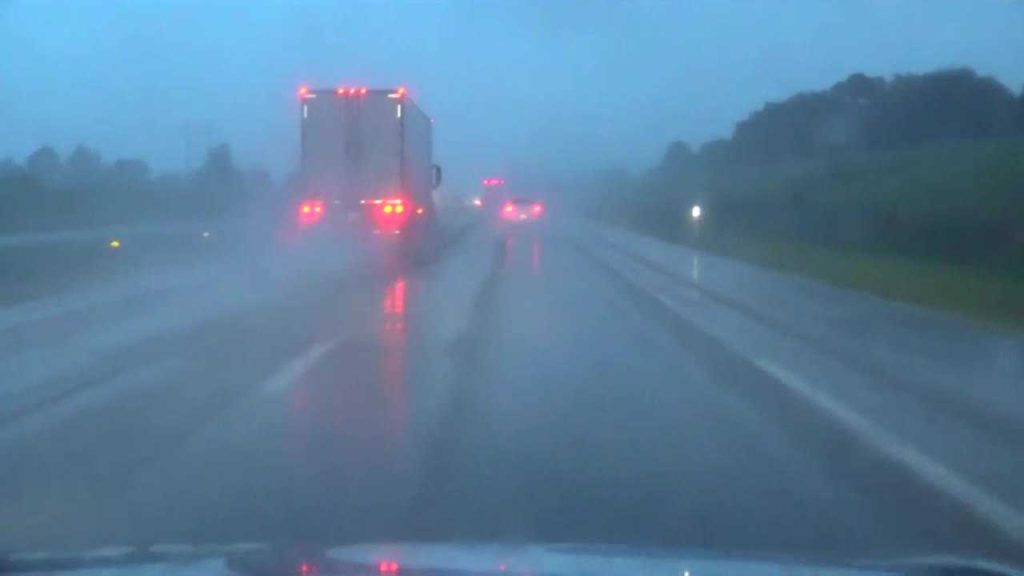
Heavy rain is moving through the Oklahoma City metro Tuesday morning, and drivers should expect slick roads, poor visibility and the potential for localized flooding across downtown Oklahoma City and surrounding suburbs like Edmond and Norman. This piece walks through what to watch for, practical driving tips, and steps residents can take to stay safe while traveling during the downpour. State and local road conditions, including major routes such as I-35, I-40 and I-44, are likely to be affected, and officials advise extra caution. Keep an eye on local alerts and plan for slower commutes until the storm tapers off.
The rain is coming down hard in spots, cutting visibility and making painted lane lines hard to follow. When windshields fog or wipers struggle, drivers tend to slow suddenly—creating a higher chance of rear-end collisions. Turn on headlights so other drivers can see you, and use low beams instead of high beams, which can reflect off the rain and reduce visibility further. Small adjustments to your habits reduce risk for everyone on the road.
Hydroplaning is a real threat when standing water collects on pavement, especially on highways and near underpasses. If your vehicle starts to hydroplane, avoid slamming the brakes; instead gently ease off the accelerator and steer straight until traction returns. Tire tread and proper inflation make a big difference, so fallbacks like a quick pre-drive check can pay off during a storm. Increasing following distance gives you more time to react if the car ahead hits a wet patch.
Bridges and overpasses freeze or become slick before regular pavement, and during heavy rain they often collect runoff that can hide deeper water. Low-lying neighborhoods and streets near creeks are prone to flash flooding even when adjacent roads remain passable. Never drive through water when you cannot see the roadbed; a few inches of moving water can push a car off the road and a foot of water can float many vehicles. It’s better to turn around and find an alternate route than to take that chance.
Traffic patterns change quickly in heavy rain, with slowdowns forming unexpectedly around exits, construction zones and commercial corridors. Expect delays on interstates and ring roads, where speed differentials between cars create hazards. If you can, delay nonessential trips until conditions improve or travel during lighter-traffic windows. For necessary trips, allow at least 15 to 30 extra minutes and resist the urge to speed to make up time.
Local public safety agencies and the Oklahoma Department of Transportation often post real-time updates on road conditions and closures. Listening to local radio, checking official DOT alerts, or viewing traffic cameras when possible helps you avoid problem spots. Emergency services remind motorists that 911 should be used for life-threatening situations only; for nonemergency road issues, look up the local nonemergency numbers. Staying informed keeps your route choices smarter and safer.
Headlights, taillights, and functional wipers are essential in these conditions; make sure they’re in good working order before you leave. If you notice water pooling in vehicle footwells or strange electrical behavior, pull over safely and assess the situation. Carrying a small emergency kit with a flashlight, blanket, phone charger and basic first-aid supplies is a smart move any time bad weather is forecast. Being prepared reduces the stress of an unexpected stop.
School commutes and bus schedules can be disrupted by heavy rain, so parents and guardians should verify closures or delays with local school districts. Employers and supervisors often allow flexible start times during hazardous weather; consider telecommuting if your job permits. Ride-share and public transit options may run on altered timetables, so check service alerts before heading to transit centers. Flexibility and patience help everyone cope with weather-driven disruptions.
If you find yourself stalled in high water or stalled by mechanical trouble, get to higher ground if it is safe to do so and alert authorities to your location. Do not attempt to revive a flooded engine by cranking it; that can cause expensive damage. If you can safely exit the vehicle because water is rising, do so immediately and move away from floodwater, which can contain debris and hidden hazards. Safety must come before property concerns in these moments.
Commercial drivers and truckers should be mindful that heavy rigs require much longer stopping distances on wet roads, and shifting lanes with trailer sway is riskier in gusty, rainy conditions. Road crews working to clear storm-related debris or repair damage need extra room to operate, so give them wide berth. Municipal crews may post temporary signage or close streets without prior notice as conditions evolve. Respecting those closures keeps emergency workers safe and speeds recovery.
For those traveling through airport routes, expect slower ground transportation service and possible traffic backups to terminals during peak rain periods. Budget extra time if you have flights or tight connections, and contact airlines directly about weather-related changes to departure times. Keep phones charged and boarding passes handy to streamline movements through wet, crowded walkways. A little advance planning prevents missed flights and last-minute scrambling.
Ultimately, common-sense choices make the biggest difference: slow down, keep distance, avoid standing water and be ready to change plans. Weather like this tests drivers’ patience and judgement, but the measures above reduce risk and keep more people safe on the roads across the Oklahoma City metro. Stay alert, stay informed, and don’t take shortcuts that could endanger you or others while the rain passes.