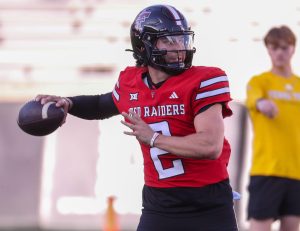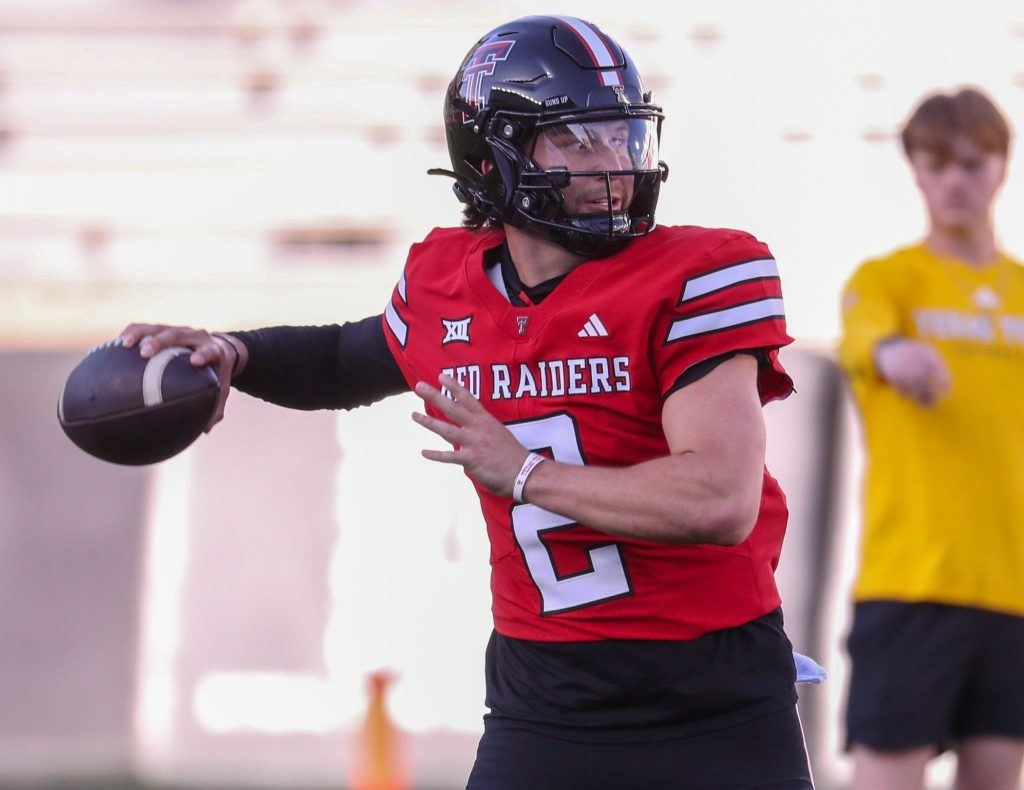
Brendan Sorsby’s situation has flipped what looked like a clear path from Cincinnati to Texas Tech — and maybe to the NFL — into a legal and eligibility fight that now involves the NCAA, a Lubbock court, and a ticking NFL Supplemental Draft deadline. The story threads through big-name moments in league history, from Al Hunter and Bernie Kosar to modern examples like Jalen Thompson and Cris Carter, and now centers on Sorsby’s transfer, alleged gambling violations, and a rush to preserve his final year of college football. What happens in the next few weeks — NCAA decisions, a possible injunction in Lubbock, and the June 22 supplemental-draft deadline — will determine whether he stays with Texas Tech or turns pro early.
The NFL Supplemental Draft has been the safety valve for players who lose college eligibility after the standard entry deadline, and it has existed since 1977. That first supplemental class included Al Hunter, a Notre Dame running back suspended from school, and the draft has been used only sparingly since then. Teams treat it differently than the main draft because a supplemental pick costs a team the same round pick in the following year’s draft.
One of the most chaotic moments in the supplemental process came with Bernie Kosar in 1985, when Kosar engineered a plan to meet eligibility rules and made it clear he wanted to play in Cleveland. The scramble to land him forced the league to let Kosar pick which draft to enter, and Cleveland swapped picks with Buffalo to secure the supplemental selection that brought him to the Browns. Commissioner Pete Rozelle’s intervention that year led the NFL to rethink how supplemental priority is assigned, to avoid that kind of leaguewide scramble again.
The supplemental pool produced other notable names, and 1989 stands out for three first-round selections — Steve Walsh, Timm Rosenbach, and Bobby Humphrey — who went through the system for different reasons. Cris Carter is the supplemental draft’s biggest Hall of Fame success story, and more recently Jalen Thompson was taken in 2019, reminding teams that useful pros can come from that route. Still, only a few dozen players total have been chosen this way, which keeps expectations and risk management front and center for NFL front offices.
The current order and bidding process is a product of those earlier controversies: teams are grouped based on their records and playoff status, then they submit a bid indicating the round they would select a player. If a team wins a supplemental bid, it forfeits that same round pick in the next regular NFL Draft. That method aims to balance fairness and deter teams from gaming the system after the standard draft deadline has passed.
Into that framework walks Brendan Sorsby, who put up big numbers at Cincinnati last season and then transferred to Texas Tech amid heavy interest. Sorsby completed nearly 62 percent of his passes for roughly 2,800 yards and 27 touchdowns with just five interceptions, and he added about 580 rushing yards and nine rushing scores. After the move to Texas Tech he was viewed as one of the top portal additions and was projected by some to be a first-round talent for the 2027 NFL Draft, with NIL projections reportedly climbing to the multi-million-dollar range.
Then the gambling allegations emerged and Sorsby entered residential treatment, which changed everything. Reports say Sorsby made numerous online wagers across sports, including bets placed when he was a reserve at Indiana, and he stepped away from Texas Tech to get help. The NCAA has not publicly announced a penalty, but the possibility of an ineligibility ruling has put Sorsby in a bind: keep fighting to stay eligible, or opt into the NFL Supplemental Draft and forfeit any remaining college eligibility.
Procedurally, Sorsby has until June 22 to opt into the 2026 Supplemental Draft, and his legal team, led by attorney Jeffrey Kessler, has been pressing for a quicker resolution. As noted by Adam Schefter, Kessler’s involvement is aimed at preserving Sorsby’s options — either to speed NCAA reinstatement or to give Sorsby time to decide whether to turn pro. That timeline is why Sorsby filed for injunctive relief in Lubbock, arguing that the NCAA’s private handling of the matter threatens his one shot at a full final season.
In the Lubbock filing Sorsby and his lawyers contend that his gambling disorder is a clinical condition and that the NCAA has treated him unfairly. Furthermore, the filing states that:
When Mr. Sorsby took accountability for his NCAA gambling rules violations (which undisputedly did not raise any integrity issues, i.e., his bets did not threaten the fairness, honesty, and/or transparency of athletic competitions, or otherwise influence the outcome or athlete performance in those competitions), entered residential treatment, and offered to accept reasonable discipline (but not a full loss of eligibility for the upcoming season at Texas Tech), the NCAA responded not with the compassion its constitution (“Constitution” or “NCAA Constitution”) demands, but with stonewalling, pretextual information demands, delay, and silence. This is not what Texas law or common decency requires.
The filing presses urgency, noting the final year of eligibility and the zero-sum nature of a lost season. It argues the NCAA’s slow process essentially forces Sorsby to choose between surrendering college years and missing a year of competitive football, and it asks the court for quick relief. The petition goes on to say:
If the NCAA refuses to reinstate him and he is not awarded temporary relief, Mr. Sorsby’s only alternative is the NFL Supplemental Draft, which requires him to opt in—and forgo any effort to restore his remaining college eligibility—by June 22, 2026. The NCAA has manufactured an impossible bind: it delays its reinstatement decision while the NFL deadline closes in, forcing Mr. Sorsby to choose between surrendering college eligibility he wants to retain, while risking the loss of a full year of competitive football entirely. This is not equity. Mr. Sorsby has diligently pursued every alternative avenue for relief, but he is not obligated to continue doing so in light of the irreparable harm he now faces. Only this Court can hold the NCAA to its own rules—and provide Mr. Sorsby and Texas Tech the timely relief they are owed.
Sorsby’s lawyers requested a hearing no later than June 15 so any decision on temporary relief could come before the supplemental-draft opt-in deadline. The coming days will determine whether this becomes another rare supplemental-draft story or a courtroom fight that reshapes how the NCAA handles gambling cases for elite-transfer athletes.