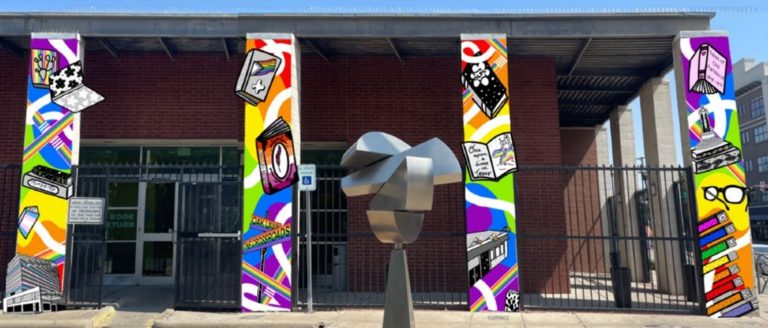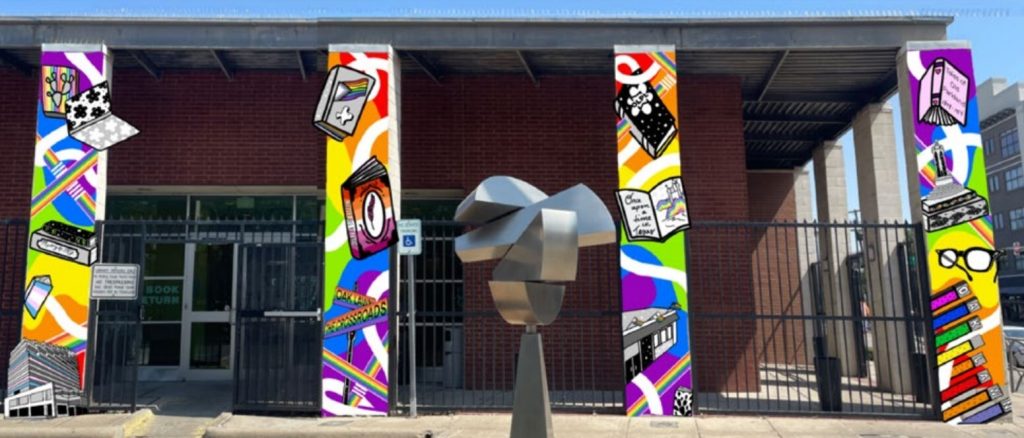
The Oak Lawn Library Branch in Dallas will get a donor-funded mural after the neighborhood’s rainbow crosswalk was taken down following Governor Greg Abbott’s directive. The project will wrap around four exterior columns facing the library parking lot and is being led by local muralists Will Heron and Sam Lao. City arts officials have also floated the idea of painting the front steps, echoing recent community displays like the steps at Oak Lawn United Methodist Church and pride sidewalks unveiled in San Antonio.
In October, Governor Greg Abbott ordered cities and counties to remove street-level displays he classified as “political ideologies,” a move that quickly changed how municipalities approached public art. The governor’s exact words were, “Texans expect their taxpayer dollars to be used wisely, not advance political agendas on Texas roadways.” That directive pushed Dallas to look for ways to keep neighborhood character without spending public funds on contested symbols.
By April, the Dallas Department of Arts and Culture opened a conversation with residents to reimagine public art options that comply with the new guidance while still showcasing community pride. Those engagement sessions invited people to pitch ideas and take inspiration from how other cities handled similar situations. The goal was to find creative, donor-friendly ways to preserve local expression without triggering the state mandate.
Removal of the rainbow crosswalk stirred strong local feeling, and cities around Texas responded in different ways. In San Antonio, officials unveiled pride-themed sidewalks that found a path through the same rules Dallas now navigates. That example helped Dallas leaders and residents think through alternatives that keep visibility for LGBTQ residents and allies without using municipal roadways in a way that could be interpreted as political messaging.
The Oak Lawn mural will occupy four exterior columns that face the library’s parking lot, a location that sidesteps street marking restrictions while still being highly visible to the neighborhood. Artists Will Heron and Sam Lao were selected for the project; both are established in Dallas’s mural scene and known for work that reads as neighborhood-focused, colorful, and durable. The city says the mural will be donor-funded, which fits the broader push to separate private community expression from taxpayer-supported installations.
Painting the front steps at the library is also on the table, an idea that recalls the painted steps outside Oak Lawn United Methodist Church. That proposal would put art directly on city property in a way that’s intended to celebrate local identity while avoiding the legal gray area of painted roadway symbols. City officials are weighing aesthetics, maintenance, and how residents want their public spaces to represent them going forward.
For many residents, the situation has become less about erasing pride and more about finding sustainable ways to show it. From a Republican angle, the emphasis is on making sure taxpayer dollars are spent on essential services first, while private donors and community groups take the lead on decorative displays. That approach aims to keep public funds neutral and give local supporters a clear role in shaping visible neighborhood art.
Will Heron and Sam Lao bring experience and local ties to the project, and their collaboration is intended to reflect Oak Lawn’s character rather than a broad political statement. Both artists have completed public works that focus on color, community stories, and visual impact without generating the kind of controversy that triggered the statewide directive. The city hopes their design will feel like something residents can point to with pride, regardless of the earlier debate.
Next steps call for final approval of designs and coordination with donors who will finance the mural, followed by scheduling the installation so the piece can greet visitors and drivers in the parking area. Officials say permitting and maintenance plans will be part of the rollout, ensuring the mural lasts and remains a positive element of the neighborhood. Community members are watching closely, and the finished work will be one early test of how Dallas balances local expression with statewide rules.